Photo source: Marius Vasile
Location: https://maps.app.goo.gl/pK9ZrEB9wFCoEqjA8
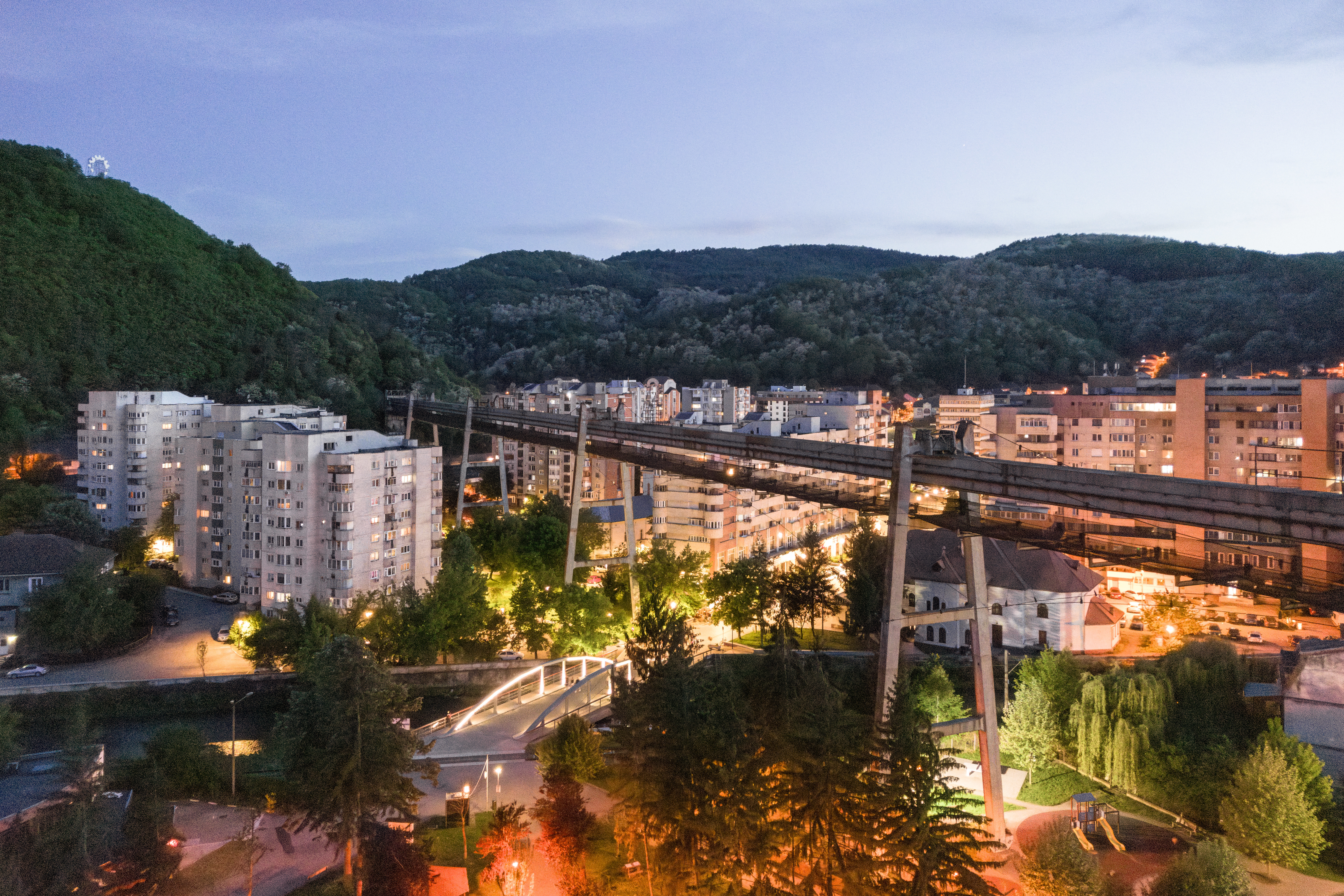
The construction of the two blast furnaces of 700 cubic meters in 1961-1962 led to an increased need for burnt limestone; the stone being used in the process of obtaining cast iron. Thus, the Doman quarry was reopened and the funicular over the Bârzava Valley was built, connecting Dealul Golului with Dealul Crucii and the factories.
The limestone funicular was erected between 1960-1965 and put into operation in 1965. The project was carried out by Ipromet Bucharest (The design and engineering institute for the metallurgical industry) and is designed on the principle of a caisson beam supported by metal piers with 7 spans. The length of the funicular bridge is 500 m, and the height is 30 m. The funicular itself ran on a suspended cable, crossing the entire central urban area of Reșița. The construction represents an emblematic achievement from a technological point of view as well as a remarkable, unique objective of recent industrial heritage at the national level.
More information about the complex limestone transport system is available in the exhibition „The Story of Stone" here.
Photo source: Xplorate Group
Location: https://maps.app.goo.gl/gjZZ4mRcAEewSCpMA
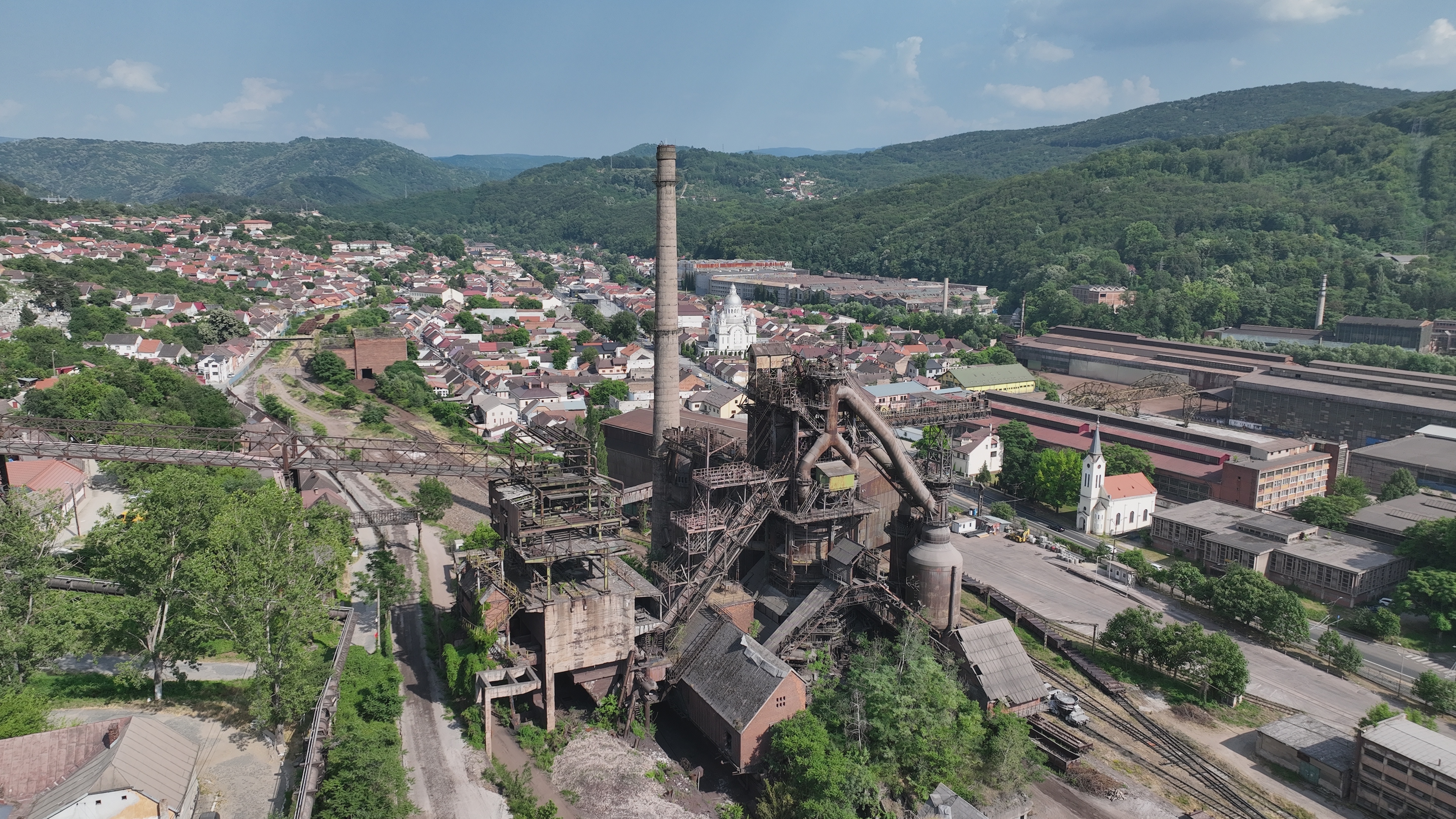
Blast Furnace no. 2 - a listed historical monument - is located on the site of the first blast furnaces dating back to July 3, 1771, coinciding with the beginning of modern metallurgy in Reșița. The succession of the technological development of the blast furnace, as a direct response to the needs of industrial production, directly corresponds to all phases of the city's industrial development.
The construction period of the first blast furnaces in Reșița coincides with the Treasury Period (1771 – 1854), when the plants belonged to the Austrian treasury. During this interval, the first two blast furnaces using iron ore and wood charcoal (mangal) were put into operation. Later, in the period 1855 – 1920, dominated by the presence of StEG – an international consortium with an impact on the industrialization of the entire Banat Mountains, metallurgical activity developed exponentially, with direct implications in the technological modernization process of the blast furnaces at the end of the 19th and beginning of the 20th centuries. Among these, we highlight the transition from mangal to coke in the cast iron production process. A final stage of technological modernization of the blast furnaces is identified in the period 1961 – 1989, when they operated within the Reșița Metallurgical Combine.
Starting in 1960, the technological modernization of the blast furnaces began, proposing two new high-capacity installations (700 cubic meters each), with a high degree of mechanization and automation. Blast Furnace no. 2 entered operation in its new technological form in 1962. Today, Blast Furnace no. 2 represents a memorable example of industrial archaeology through the stratigraphic superposition of a long metallurgical tradition marked by the variety of technological modernization interventions.
More information about the metallurgical and steelmaking processes that took place in Reșița over the centuries is available in the exhibition "The Story of Fire" here.
List of historical monuments and sites (2015), CS-II-m-A-10900
Photo source: MKBT
Location: https://maps.app.goo.gl/Vjt9nGNfXq4eqNG28
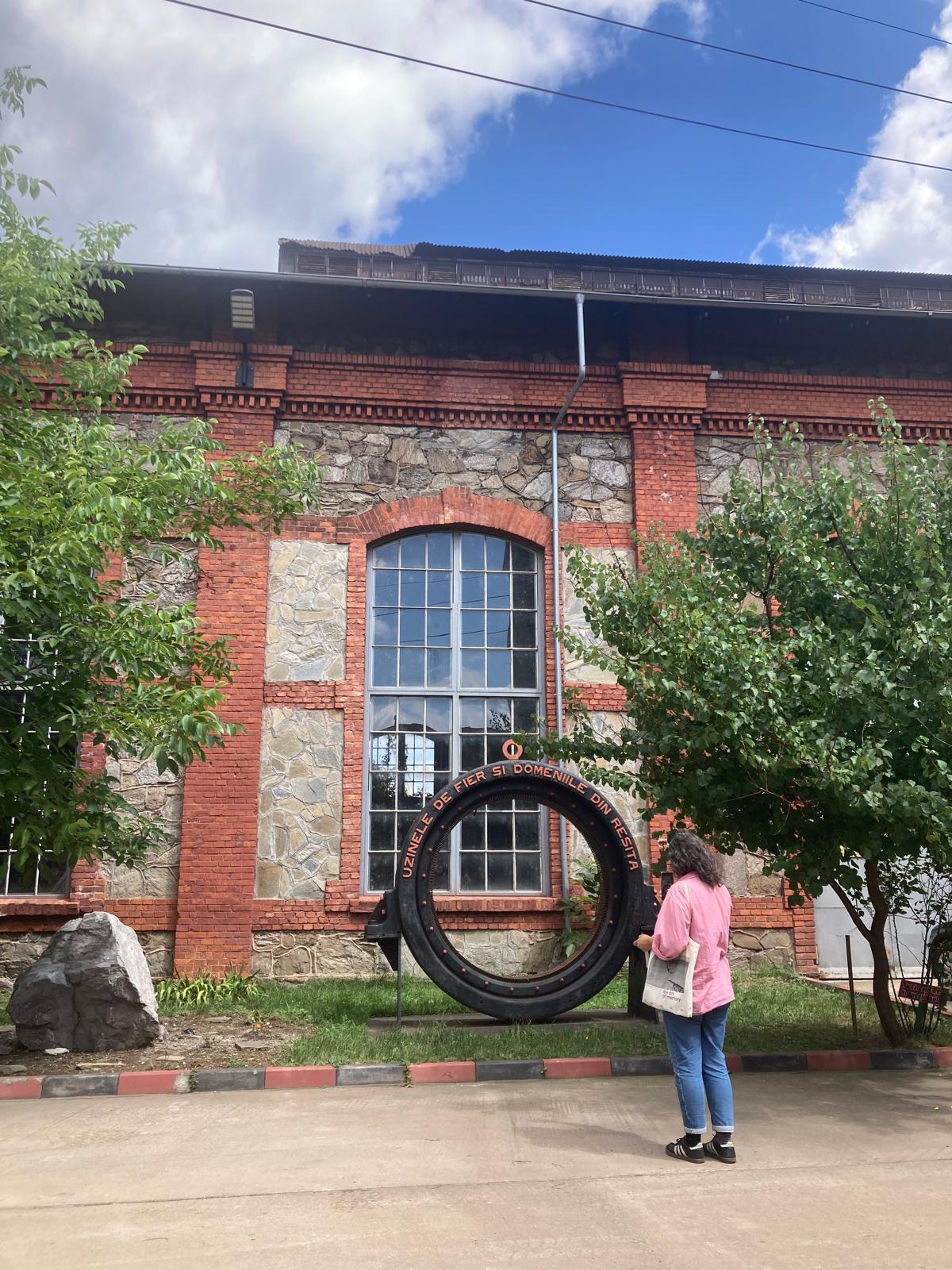
The steam puddling and rolling mill represents one of the oldest material testimonies of Reșița's industrial heritage and can be considered the precursor of the rolling mill sector within the metallurgical site subsequently developed around it on the banks of the Bârzava River. The complex is protected as a historical monument.
The steam puddling and rolling mill attests to one of the first technological innovations on Romanian territory, marked in 1846 by the application of the rolling process. During the period dominated by the presence of StEG (the Imperial Royal Privileged Austrian State Railway Company), 1855–1920, the rolling process underwent extensive technological modernization, also stimulated by the development of railways in Romanian territories. By the beginning of the 20th century, Reșița had a variety of rolling lines, including: railway rail rolling, thin sheet rolling, thick plate rolling, profile iron rolling, and universal rolling. Technological modernization continued in the 20th century, leading to an impressive variety of rolling lines used in both the metallurgical and machine-building industries directly within UCMR (Reșița Machine Construction Plant).
List of Historical Monuments and Sites (2015), CS-II-a-B-10907
Photo source: MKBT
Location: https://maps.app.goo.gl/z1WCP7xsyNVA3RxAA
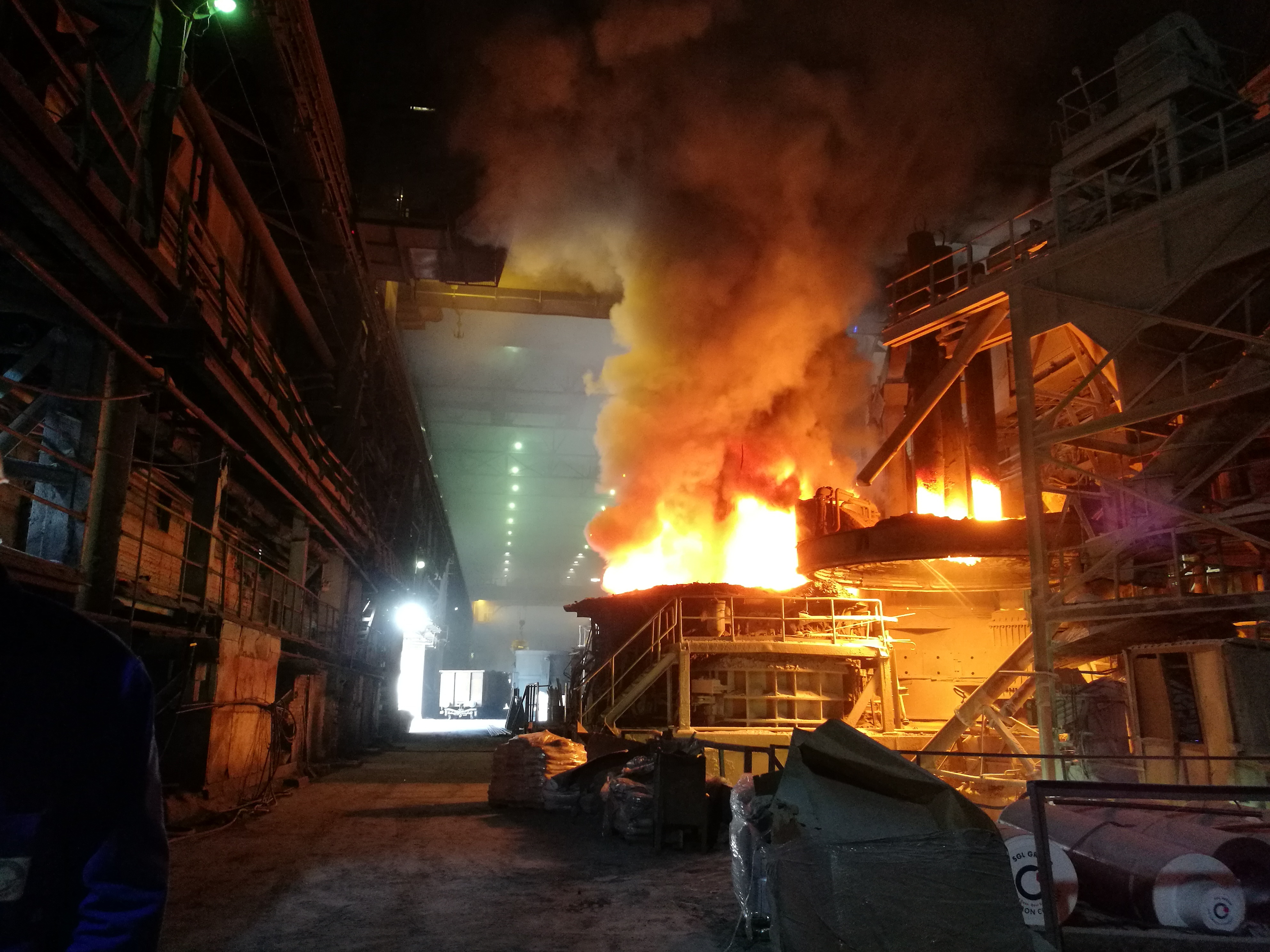
Positioned within the electric steelworks in the immediate vicinity of the blast furnace, the electric furnace remains a living testament to the local steelmaking tradition, where steel has been produced and processed for over 260 years. As a component of what was previously defined as the steelworks section, the electric furnace maintains its position and production on the initial hearth of the Reșița metallurgical plant.
This steelworks section developed gradually, especially in the second half of the 19th century, with the construction first of the Bessemer converters, and later of the Siemens-Martin furnaces and the crucible steel furnace. At the beginning of the 20th century, in the years preceding World War I (1913 – 1914), the first tilting electric furnace was commissioned for the production of special steels for armament manufacturing. The technological modernization of steel production, and thus of the furnaces, continued until 1999 when the current electric furnace was installed, which operates based on a re-technologization from 2006.
Photo source: MKBT
Location: https://maps.app.goo.gl/Vjt9nGNfXq4eqNG28
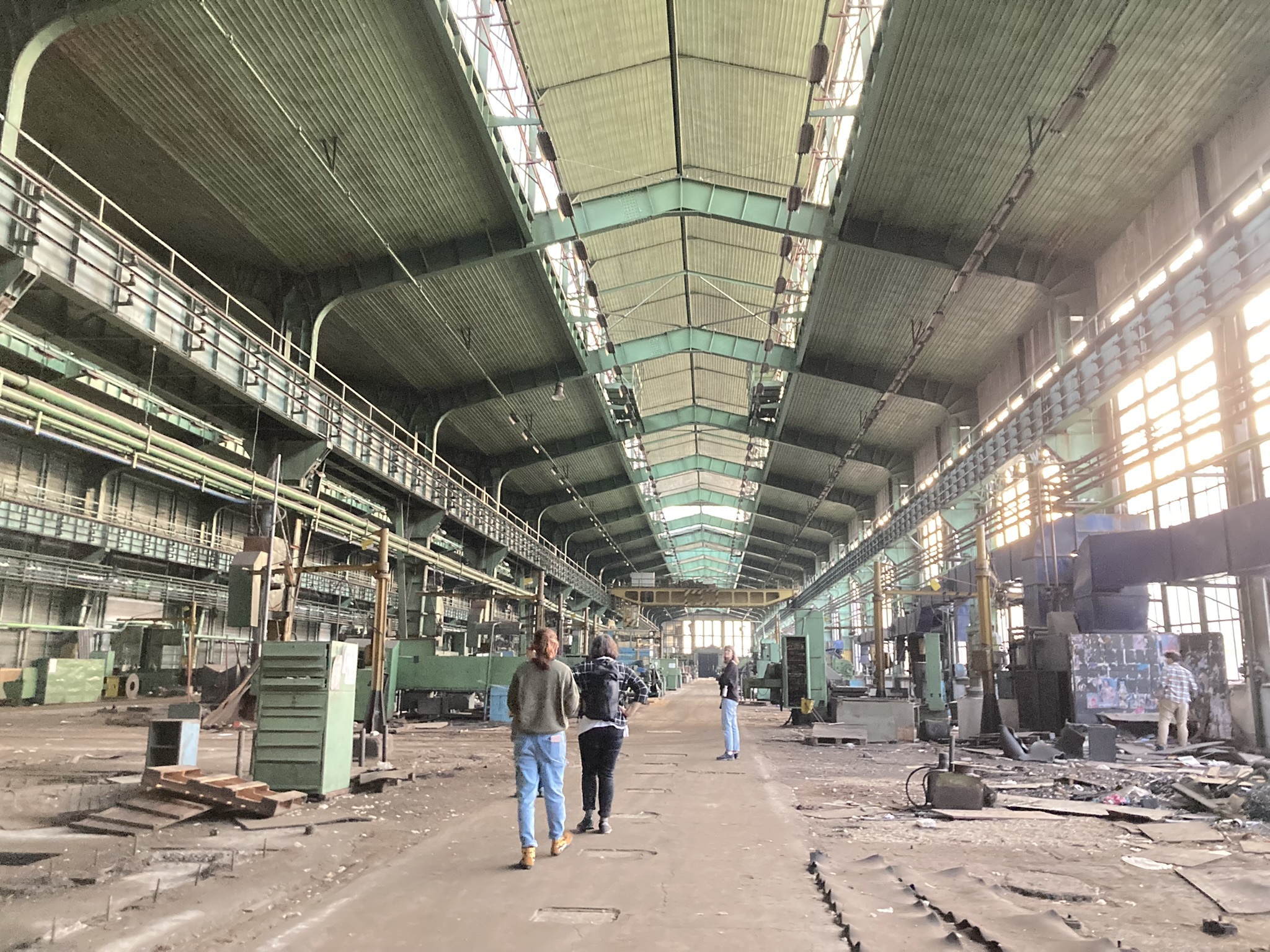
The Diesel Hall is part of the UCMR site complex, located at the base of Golului hill, on the left bank of the Bârzava river
Photo source: Bella & Flo Photographers
Location: https://maps.app.goo.gl/3gLCicSVJcLs2Nc26
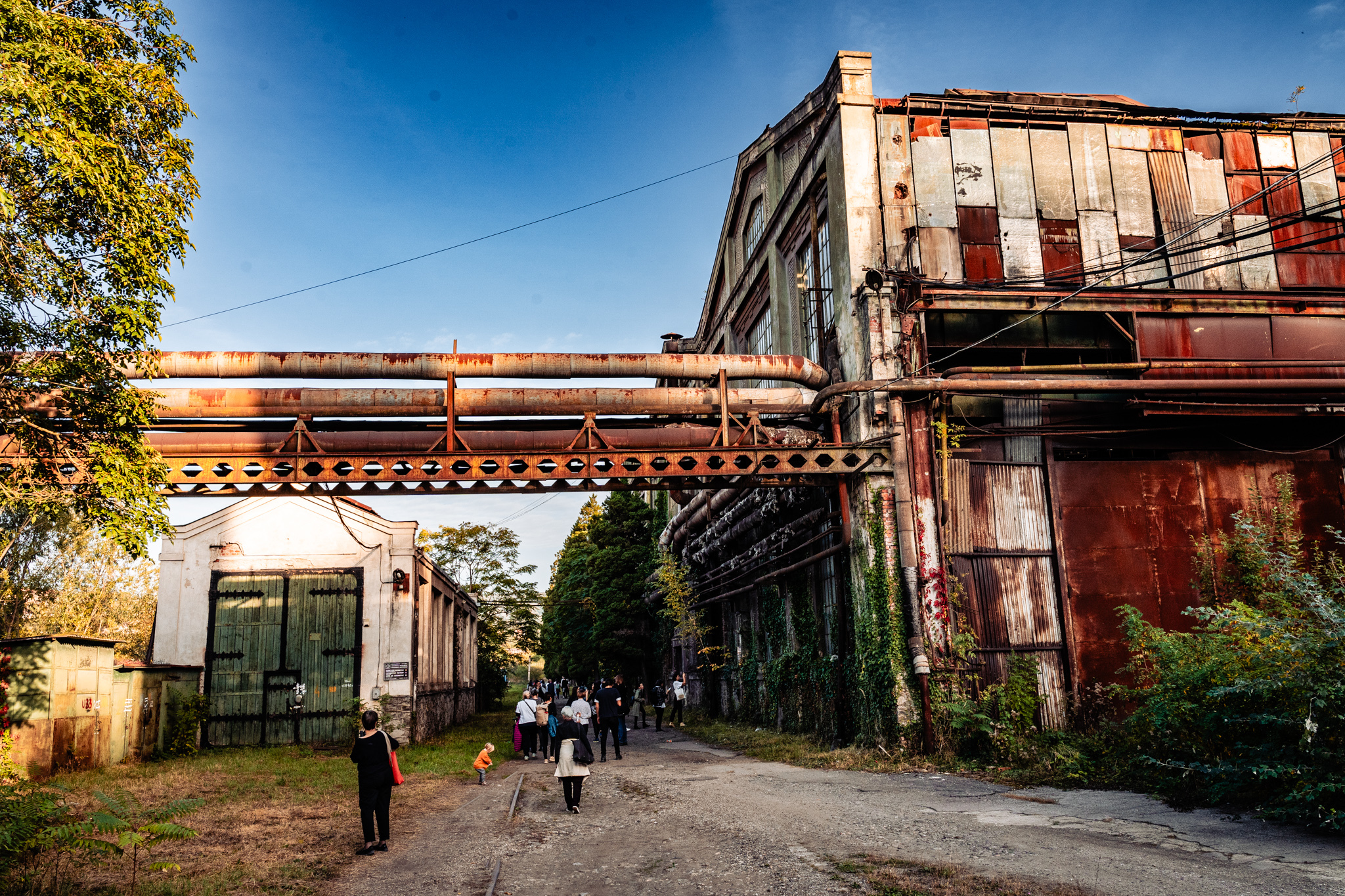
The industrial history of Reșița is closely linked to the history of railway infrastructure and the production of steam locomotives starting from the mid-19th century. Especially in the interwar period, UDR (Ironworks and Estates Reșița – the name of the industrial company in Reșița between 1920 and 1948) held a dominant position in the railway sector at the national level. UDR was the main supplier of locomotives for CFR (Romanian Railways), with a maximum production capacity estimated at 80-100 locomotives annually.
The locomotive factory built within the industrial site between 1921 and 1923 ensured both the production of new locomotives and wagons, as well as repair work for them. The locomotive factory presents an architectural language specific to industrial spaces of the interwar period, when the ample openings required for production lines were provided by a large metal structure. The layout of the production halls, the ample openings of the skylights, and the exposed brick facade represented reference elements and inspiration in post-1945 architecture, as is the case with the Palace of Culture (Trade Union Cultural Center) designed between 1949 and 1950 in Reșița.
The locomotive factory is part of the UCMR industrial site complex, located at the foot of Golul hill, on the left bank of the Bârzava river.
Photo source: MKBT
Location: https://maps.app.goo.gl/Vjt9nGNfXq4eqNG28
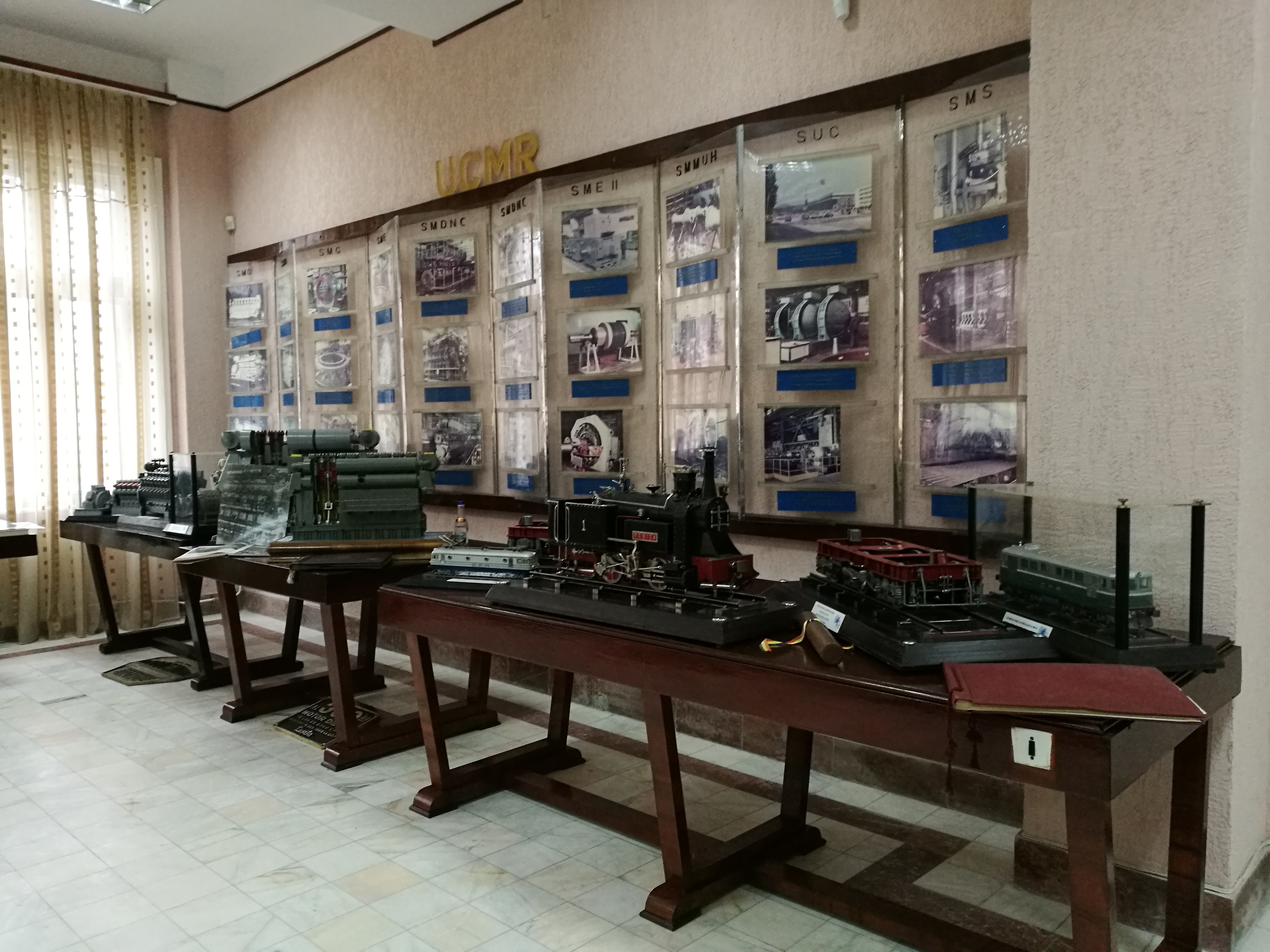
The year 1962 marked a clear distinction in industrial production between the Reșița Iron and Steel Combine (CSR) and the Reșița Machine Building Plant (UCMR), which until that moment had operated under the same name and organization, regardless of the different historical stages traversed from 1771 up to that point. The history of the Reșița Machine Building Plant can be explored within the museum located within the current perimeter of the plant, which, through its collection, presents all the products manufactured here: locomotive models, different types of engines, compressors, or turbines. Besides the technical and technological history related to the industrial development of UCMR, the museum also showcases the national and international impact of its production.
The current museum building also housed the headquarters of the UCMR technical library.
Photo source: Bella & Flo Photographers
Location: https://maps.app.goo.gl/Vjt9nGNfXq4eqNG28
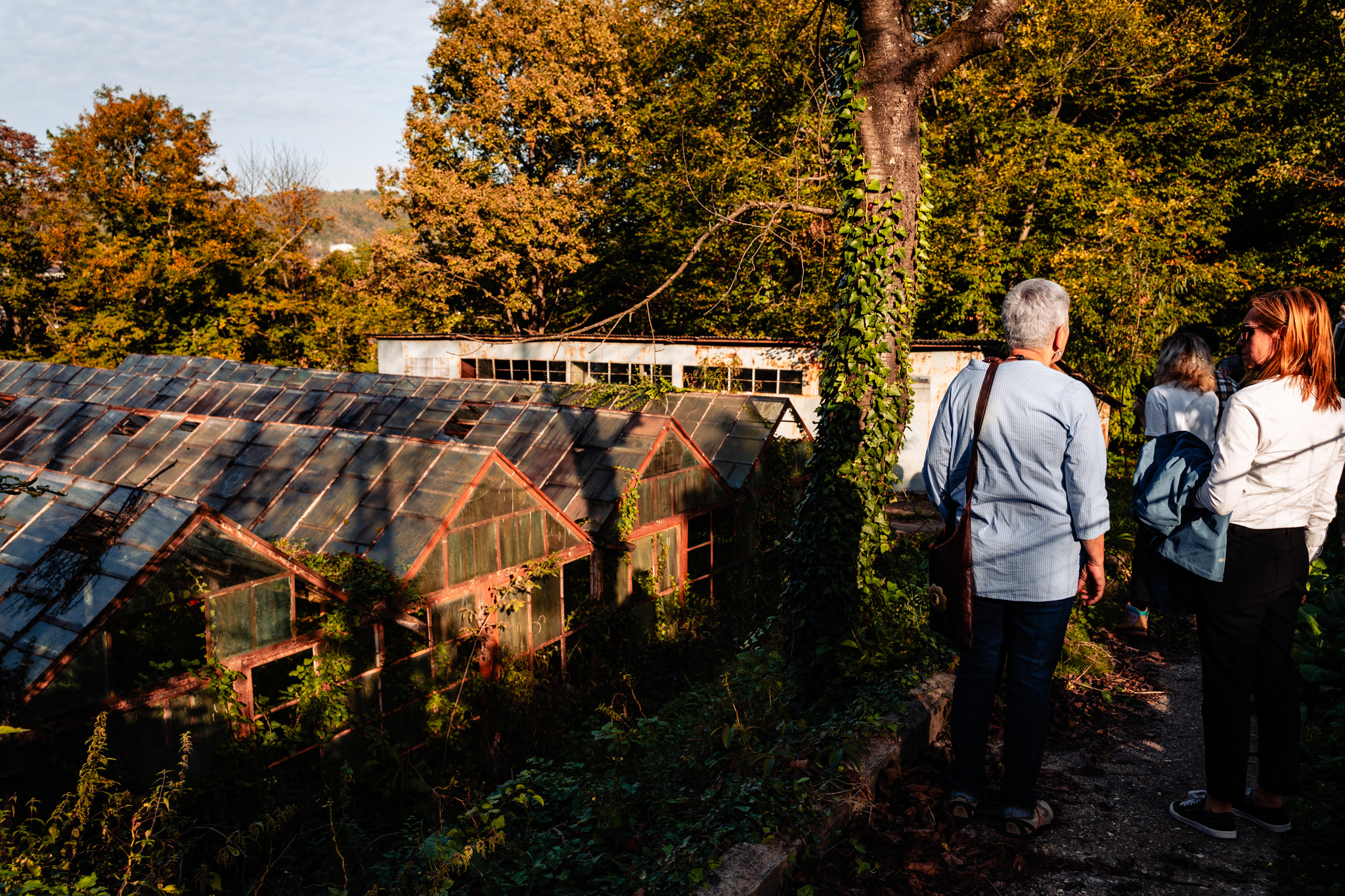
The factory greenhouses are part of the UCMR site complex, located at the base of Golului hill, on the left bank of the Bârzava river, being situated near the two villas presented above.
The greenhouses were developed over time to grow flowers, vegetables, and fruits for the factory employees, especially for the UCMR management.
Photo source: MKBT
Location: https://maps.app.goo.gl/Vjt9nGNfXq4eqNG28
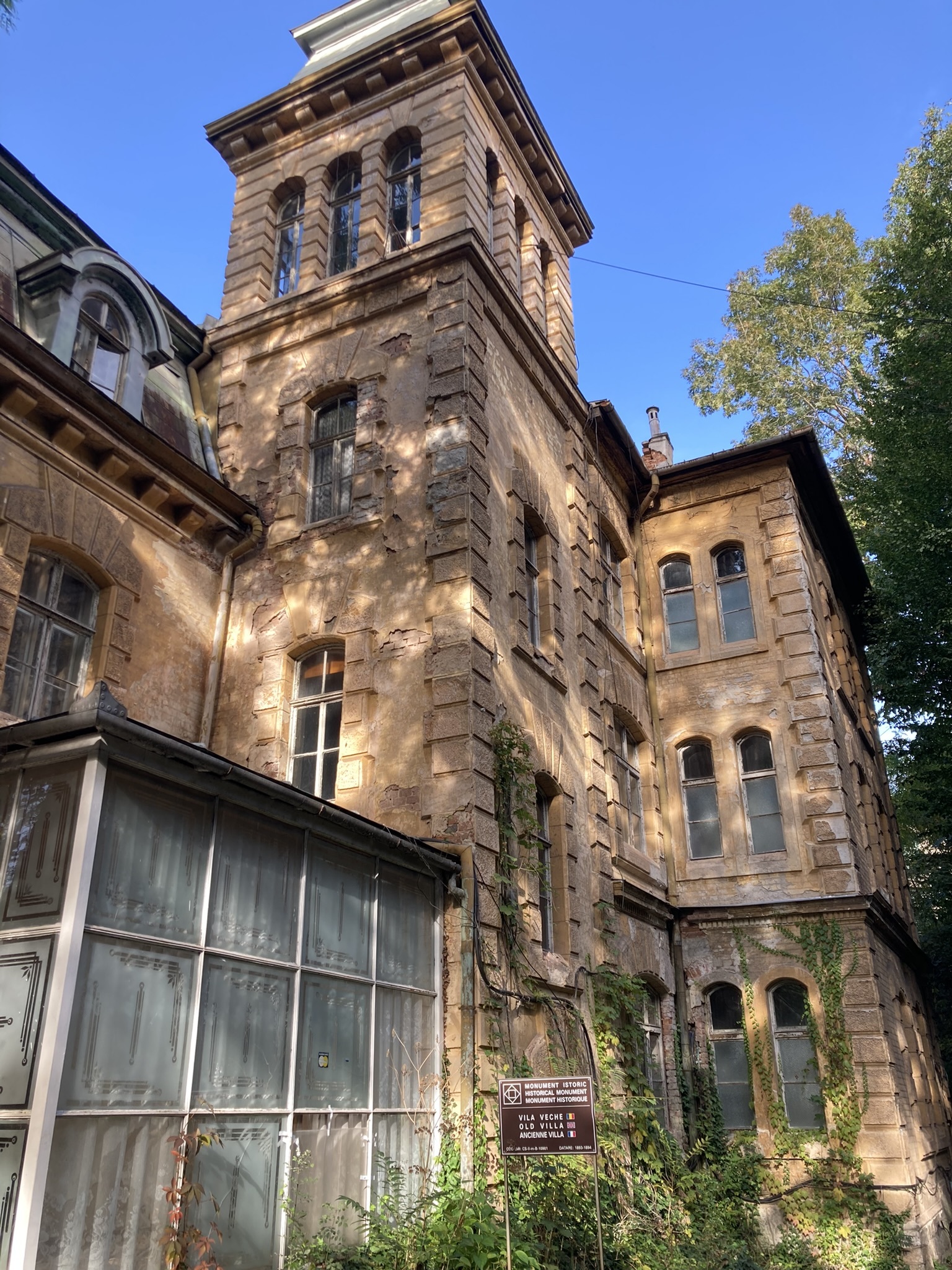
The protocol villa, also known locally as Old Villa, dates back to the late 19th century when it was built on the grounds of a large park on Golului Hill as the personal residence of the senior director of the industrial site. The villa had a wide view of the industrial site located in the Bârzava Meadow and maintained its representative status, later being transformed into the protocol villa of the site.
The villa features eclectic architectural elements typical of the late 19th century, also influenced by the representative German residential architecture widely spread across other industrial sites in the Montan Banat area administered at the time by StEG (1855 – 1920).
The villa is part of the UCMR industrial site complex, located at the foot of Golului Hill, on the left bank of the Bârzava River. It was also purchased by the Reșița City Hall for its preservation and use for the benefit of the community.
List of historical monuments and sites (2015), CS-II-m-B-10901
Photo source: MKBT
Location: https://maps.app.goo.gl/Vjt9nGNfXq4eqNG28
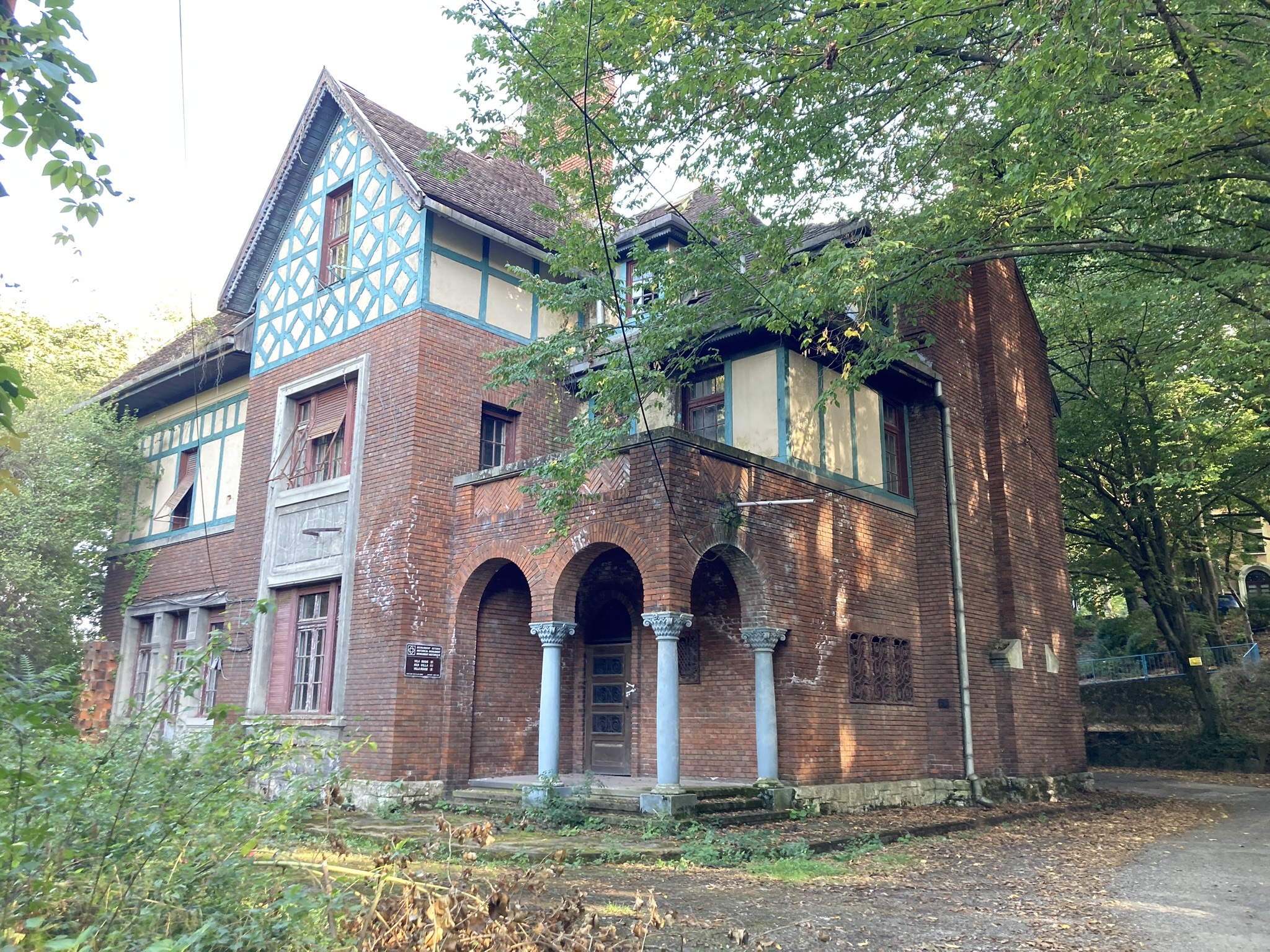
The Red Villa, or the former factory polyclinic of UCMR, was designed by architect Duiliu Marcu (1885 – 1966) in the interwar period, being dated approximately between 1928 – 1933. Initially designed as a private residence for the director of the industrial site, the construction respects the aesthetic principles of the architect who combined elements and forms of historical traditional architecture with contemporary ones, especially regarding the use of building materials. Among the architect's most famous projects, dated contemporaneously with the Red Villa, we mention the Timișoara Opera (1923 – 1928), the CFR Palace in Bucharest (1934 – 1937), or the Victoria Palace (Government Palace, 1937 – 1944).
The Villa was located in a large park, on one of the upper plateaus of Golului Hill, with a panoramic view towards the industrial site. The Villa was designed in an architectural language that adopts elements specific to the area and the industrial site itself, such as the large roof, the wooden decoration present on the facade, the typical red brick of the Reșița industrial halls, and decorative elements made of artificial stone (cement) on the frames, plinth, or cut natural stone for the columns. The last function of the Villa was that of the UCMR factory polyclinic.
The Villa is part of the UCMR site complex, located at the foot of Golului Hill, on the left bank of the Bârzava River. It was also purchased by the Reșița City Hall for its preservation and use for the benefit of the community.
List of historical monuments and sites (2015), CS-II-m-B-10902
Photo source: Salon of Art and Industry
Location: https://maps.app.goo.gl/mDJ49bM8fsnwcp4y5
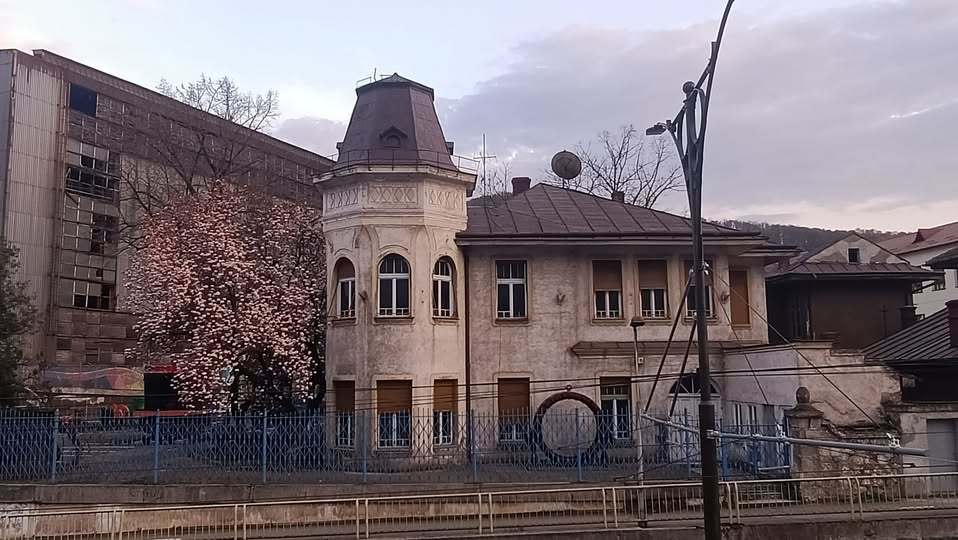
In 2021, celebrating 250 years of industry in Reșița, Andrei Bălbărău from the Amateur Filmmaker Museum initiated a partnership with TMK (currently Artrom Steel Tubes), with the desire to capitalize on the city's industrial heritage. Thus, in the Protocol Villa of the former steel plant, a space dedicated to art and industrial memory came to life – the Salon of Art and Industry.
Over time, industrial photography exhibitions, vernissages, book launches, film screenings from the plant's archives, and creative workshops have been organized here. The space has become a meeting point between the community, heritage, and artistic expression, a dynamic cultural hub that continues to grow and reinvent itself. Recovered pieces from the industrial heritage have been integrated into the former factory rooms – historical models of a blast furnace and a funicular, glass negatives with metal samples analyzed under a microscope – all highlighting the scientific and technical aspects of steel production.
Today, the Salon continues to develop collaborations and host varied monthly events – from exhibitions and screenings to meetings dedicated to the local creative community. It is a space open to all who wish to exhibit, without bureaucracy or constraints, offering every enthusiast the chance to see their work in an exhibition setting.
For more details about this initiative, you can visit the salon's official Facebook page.
Photo source: Amateur Filmmaker Museum
Location: https://maps.app.goo.gl/Vjt9nGNfXq4eqNG28
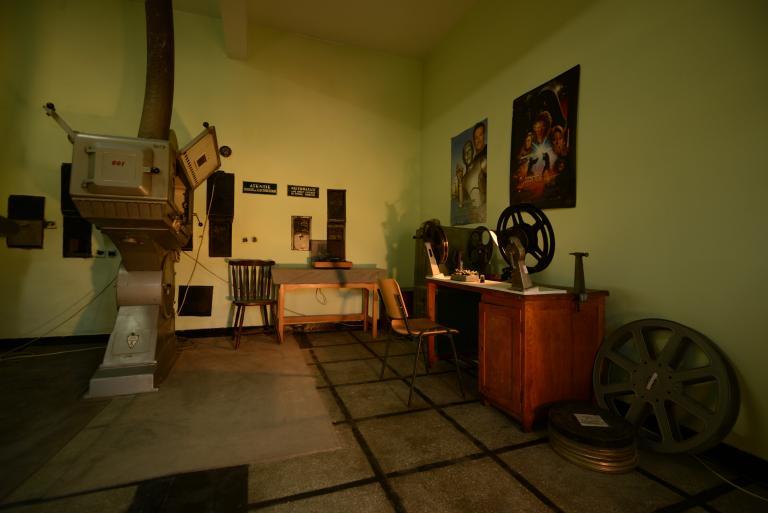
The Amateur Filmmaker Museum is a private initiative that aims to research and bring back to public attention the amateur filmmaking movement in Romania. The main directions the museum focuses on are collecting equipment used by amateur filmmakers (film cameras, projectors, viewers, film cutting and splicing machines, film reels), collecting items related to the film industry and culture (film posters, film stills, photos of actors, film programs), and facilitating public access to the exhibitions organized.
For more details about this initiative, you can visit the museum's official Facebook page.
Photo source: Hala Minda
Location: https://maps.app.goo.gl/qs4aaSBRa5bx2DTh6
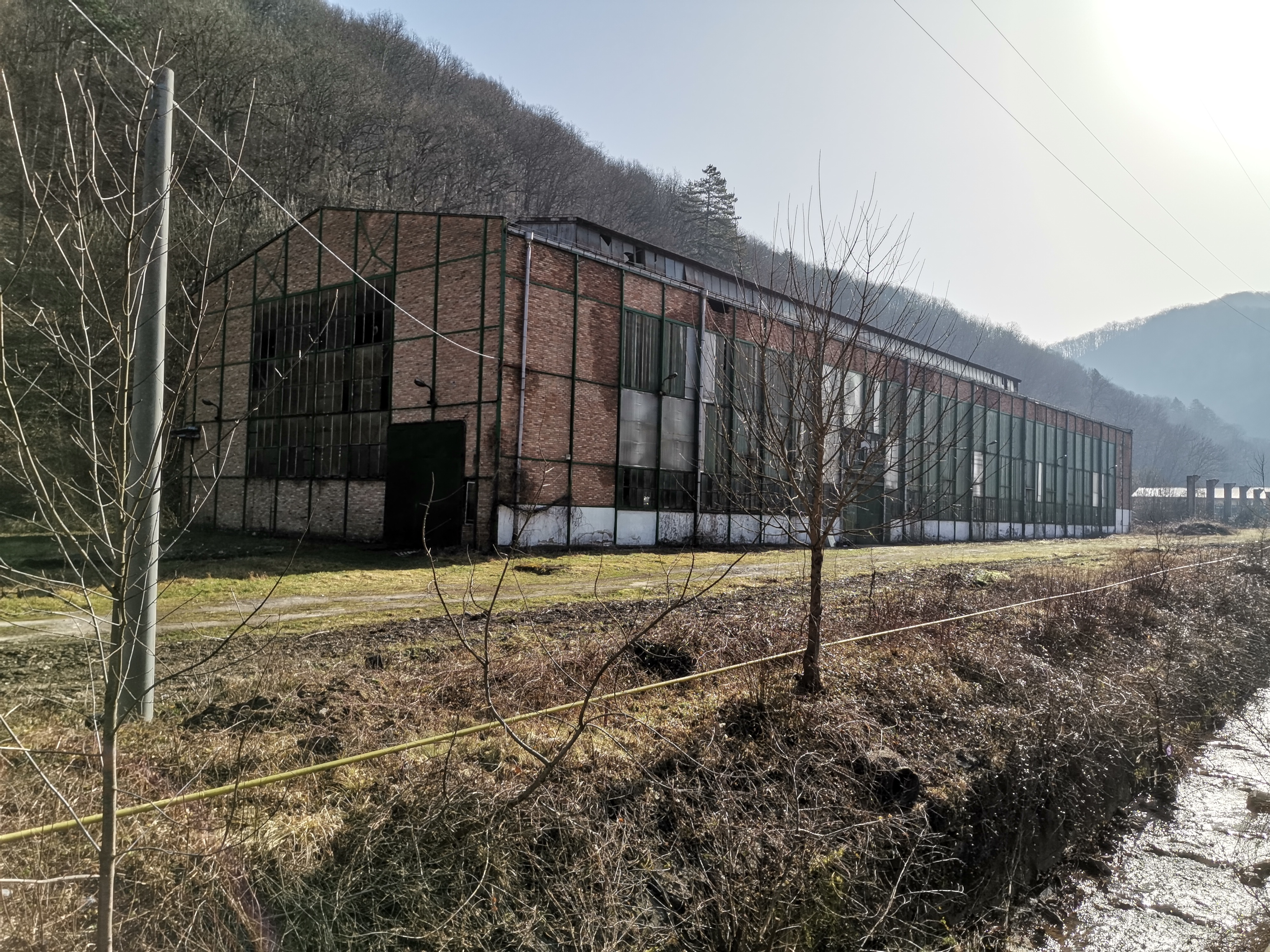
Hala Minda is the pilot location for the project “CINEMA – Creative industries for new urban economies. It defines the future developments and possible functionalities of this hall, a local heritage object.
For more details about this initiative, you can access the official Facebook page dedicated to the revitalization of Hala Minda.
Photo source: Mociur Industrial Collection
Location: 50 Mociur Street
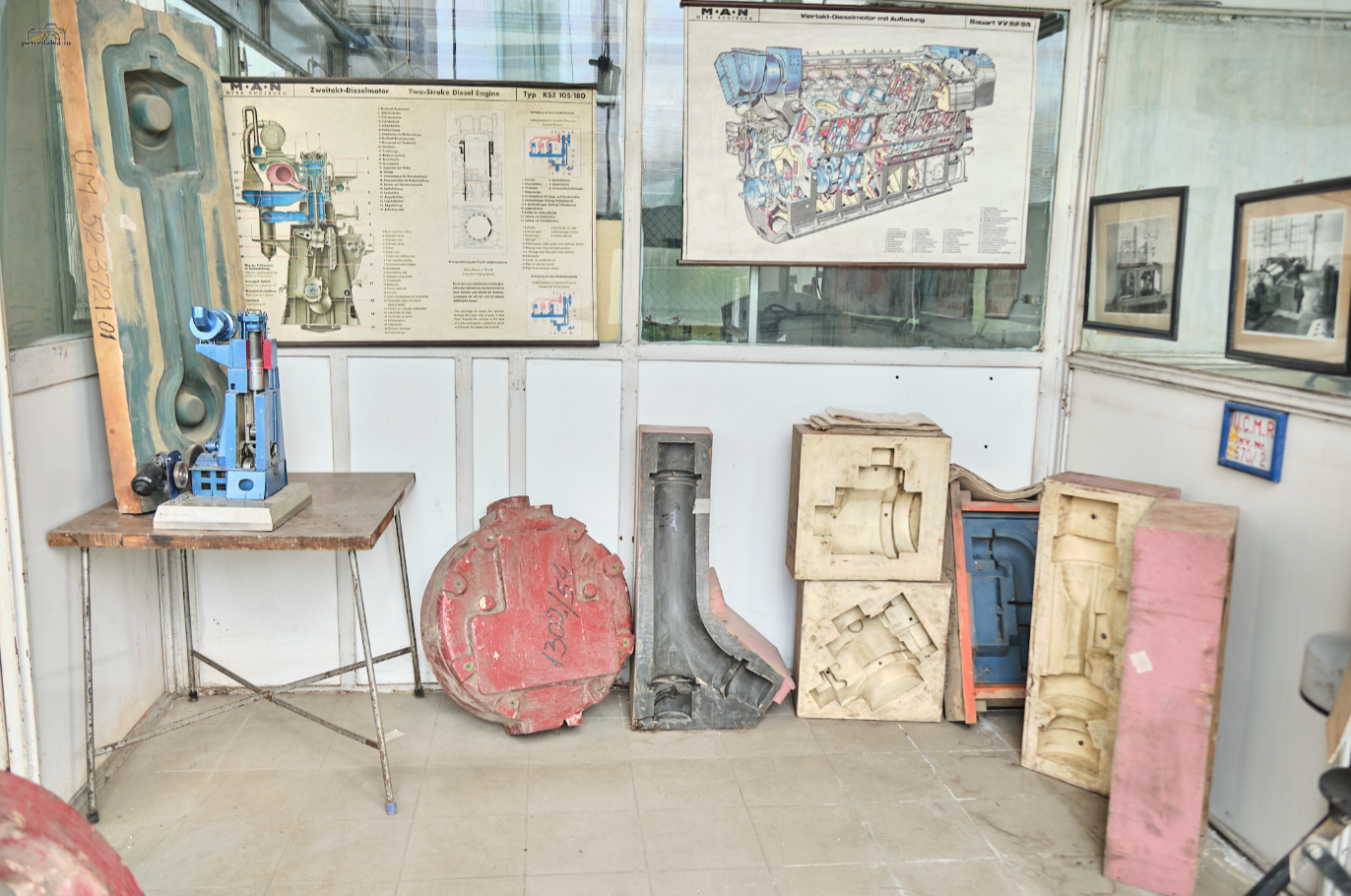
MIC is a museum space developed from the voluntary initiative of the Amateur Filmmaker Museum team, housed in one of the functioning bearing sections on the Mociur Platform. MIC - which broadly means the Mociur Industrial Collection, was developed as an initiative to save, conserve, and present the industrial past of the Mociur platform.
For more details about this initiative, you can access the museum's official Facebook page.
Photo source: Alex Todirică
Location: https://maps.app.goo.gl/FcVX9qVY3bC8mSY16
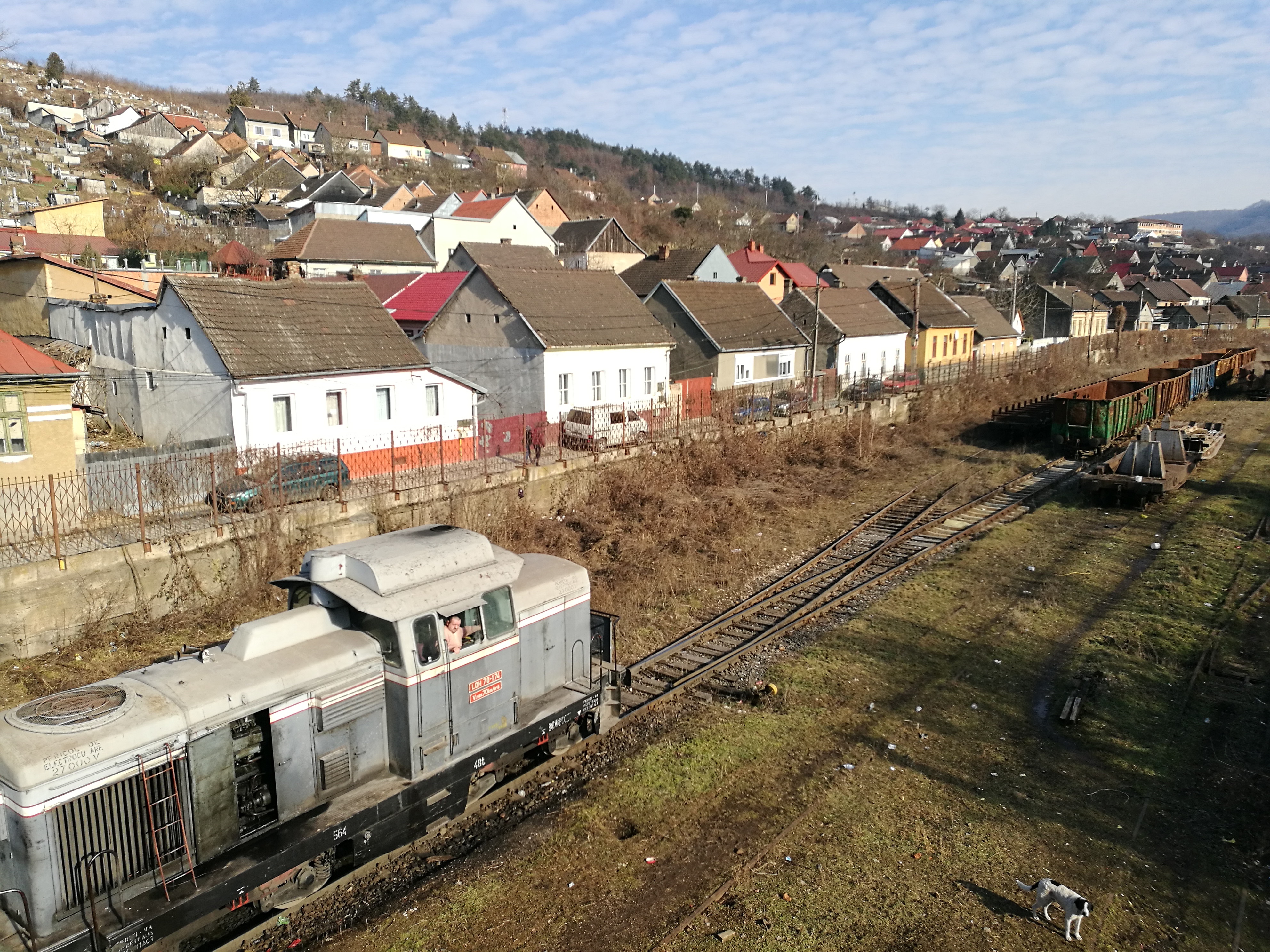
The urban ensemble "Rânduri Zone" consists of workers' housing built in the mid-19th century on the slopes of the hill behind the blast furnace sector. Settlers of various origins (Slovaks, Czechs, Germans) settled here, colonized in relation to the construction of the factories. In 1854, 2,842 people lived in the Reșița Germană workers' colony, and in 1858, approximately 4,650 people lived there, an indicator of the attractiveness of the expanding factories.
Of major importance are the streets named Rândul I, Rândul II, Rândul III, and Rândul IV, arranged in steps along the contour lines in the area of Dealul Mare and Dealul Ceretului. The dwellings are modest in size, on the ground floor, with regular plots resulting from a unified cadastral operation. Near the area are the large cemeteries no. 2 and no. 3 (Orthodox and Catholic), the oldest in the city.
List of Historical Monuments and Sites (2015), CS-II-a-A-10908
Photo source: MKBT
Location: https://maps.app.goo.gl/YN3nLf7UkGRZNZwZA
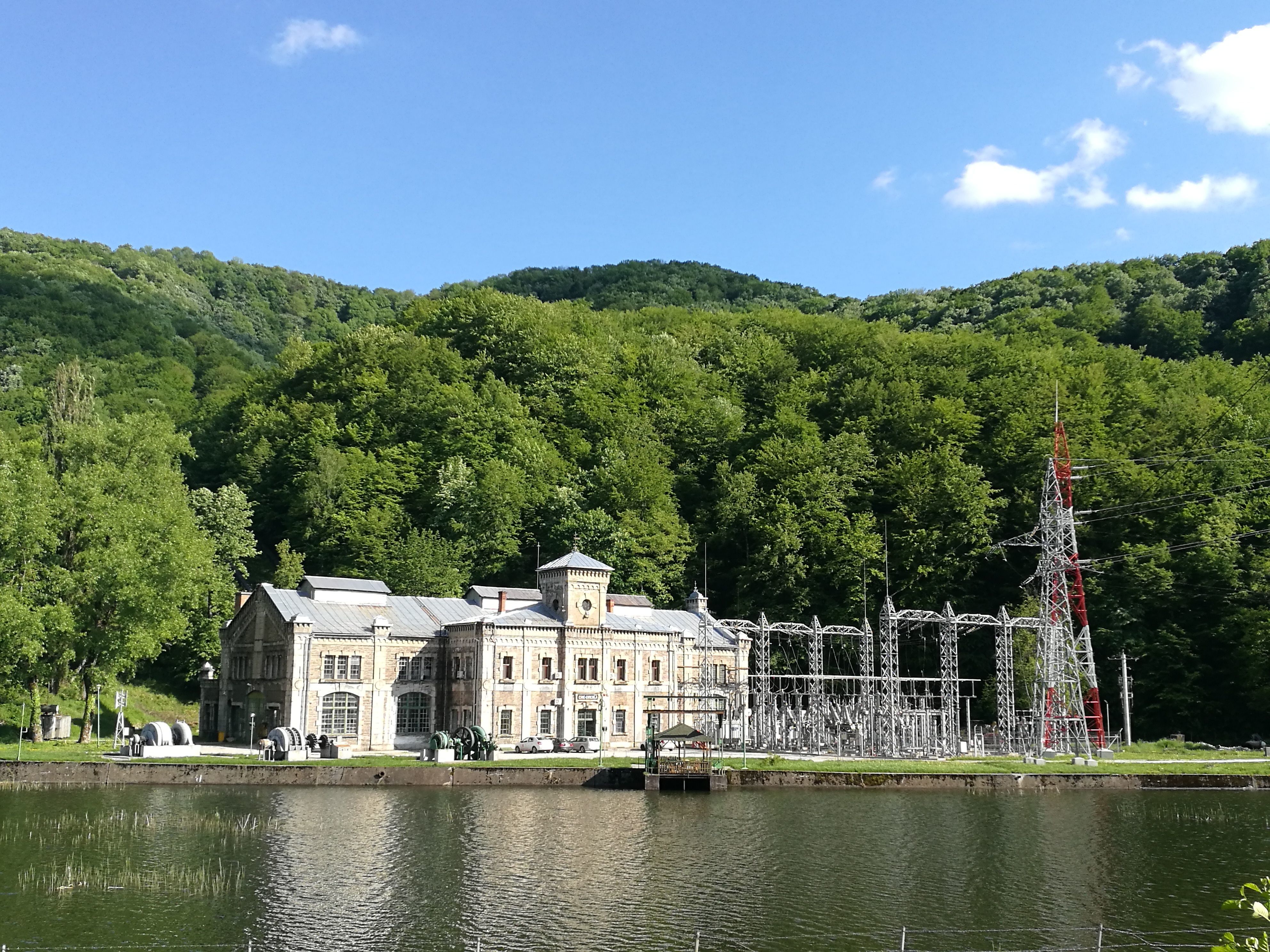
The Grebla hydroelectric power plant is located in the Reșița Montană area and dates back to the early 20th century, being the oldest power plant in the city still in operation. Its name comes from the place where it is located. At the end of the 18th century, a facility known as a "rake" was already located at this site to retain logs cut upstream and floated on the Bârzava River.
The water castle of this power plant, connected to the metallurgical plant, is located above, on Ranchina Hill. The connection between them is made by three penstocks with a diameter of 900 mm and a length of 600 mm.
The entire Banat Mountains (of which Reșița is a part) is crisscrossed by a system of hydraulic structures, built to support intense industrial activity: hydroelectric power plants, dams, water transport canals, and accumulation lakes.
More information about this comprehensive system of hydraulic structures that crisscross Reșița is available in the exhibition "The Story of Water" here.
List of historical monuments and sites (2015), CS – II – a-A-10939
Photo source: Pittner School Cultural Center
Location: https://maps.app.goo.gl/83vYBAQqEF1Gp6s28
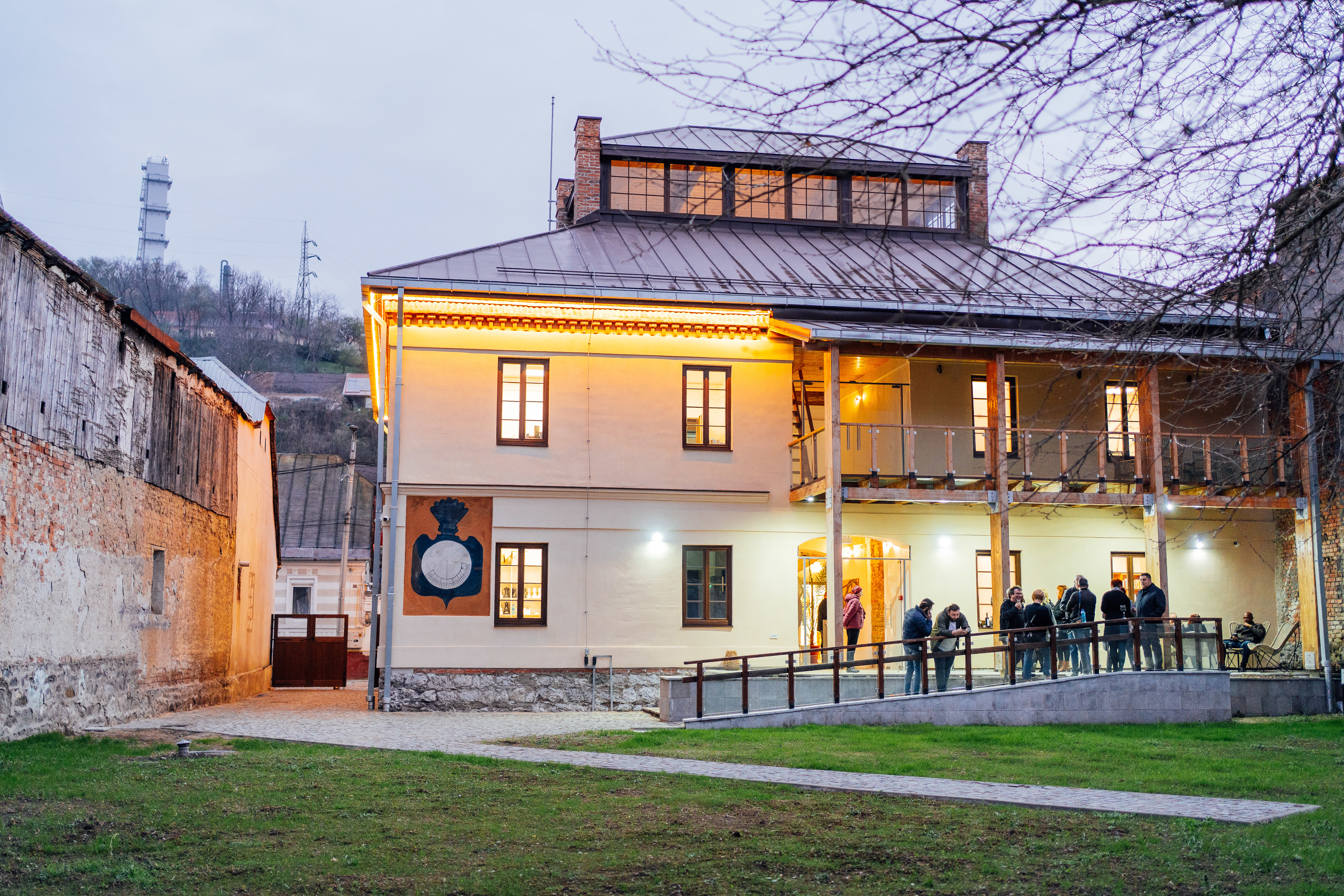
On Furnalelor Street no. 13 in the Historic Center of Reșița Montana, during the first decades of the last century, in the midst of our municipality's economic and social expansion, the private primary school ''Pittner Schule'' operated in the Pittner family's house, on its ground floor. An undisputed symbol of the old working-class town, Pittner-Bácsi, as the kind teacher August Pittner was known, was born in Reșița on December 7, 1879, according to Roman Catholic documents and records from December 8, 1882.
His father, Johann Pittner, was the engineer of the first steam locomotive, Szekul no.1, brought to Reșița from Vienna in 1871, and retired from service in 1936. He activated the siren 233 times during its first journey, exactly the number of curves on the route connecting Reșița to Secul. At the age of 30, August Pittner married the young 20-year-old teacher, Helene Faber (born February 24, 1889, and died March 9, 1928), and together they had two children. They grew up in this house, on the floor entirely occupied by the Pittner family. Little is known about their son, but their daughter, Augusta, was born on March 13, 1909, and emigrated to Germany where she died on July 3, 1973.
Entire generations of children learned under the gentle and capable guidance of August Pittner, starting in 1912, the first official date of the school that bears his name to this day. It was closed in 1929, with both spouses continuing their courses at the Central School in Reșița. After World War II, with nationalization, the building became the property of the Romanian state and was used for social housing. After the '90s, the building fell into a state of advanced decay due to the lack of maintenance by the authorities.
After 2012, once the occupants were evacuated, the building became a target for looters, who destroyed and dismantled all the finishes and secondary elements of the structure. Precarious maintenance led to the appearance of rainwater infiltration and the partial collapse of the wooden floors, as well as the collapse of a section of the building's roof structure.
The restoration project, approved in the autumn of 2020, with funding through the EEA Grants 2014-2021, aimed to rehabilitate and transform the monument into a cultural center. The project contributes to solving one of the most acute problems facing Reșița, namely the insufficiency of cultural facilities equipped to modern standards. After restoration, the building began to host local events that help both revitalize the historic monument and improve cultural heritage management by bringing it back to the community's attention.
For more details about this initiative, you can visit the center's official Facebook page.
Photo source: Simona Lisacenco
Location: https://maps.app.goo.gl/8vdkzbjXkuYzbj1t5
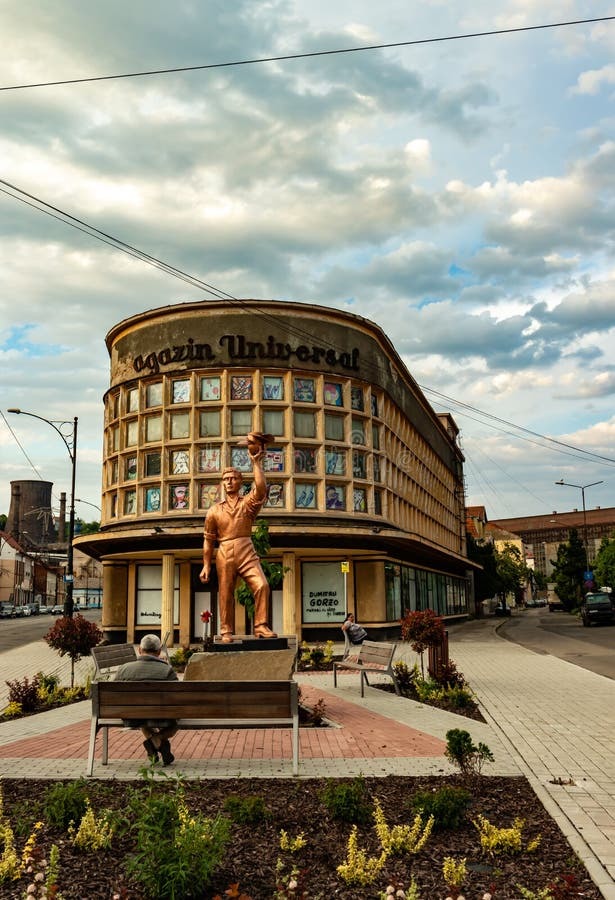
The Department Store was built on the site of the Cross Garden, known by the German names "Spitzgarten" or "Spitzpark" due to the sharp shape of the plot. The place had been previously occupied by a park and a series of dilapidated houses, and the store will respect the characteristics of the historical fabric in which it is integrated.
The store is financed by the Reșița Works and is designed by architect Ferk Hugo. The construction was carried out between 1950 and 1952 and was put into operation on May 1, 1952, being one of the first socio-cultural facilities of significant size built after the Second World War. The function of the store is that of a mixed store and it will long represent the largest store in the city and county. The architectural style is specific to modern architecture, featuring interior spaces with an open plan and a facade defined by exact geometry.
The name "Old Universal" was given to it with the appearance of new, larger commercial buildings in the city, during the period of successive urban systematization.
Photo source: MKBT
Location: https://maps.app.goo.gl/7Zk7CGAJgeU5qgvk7
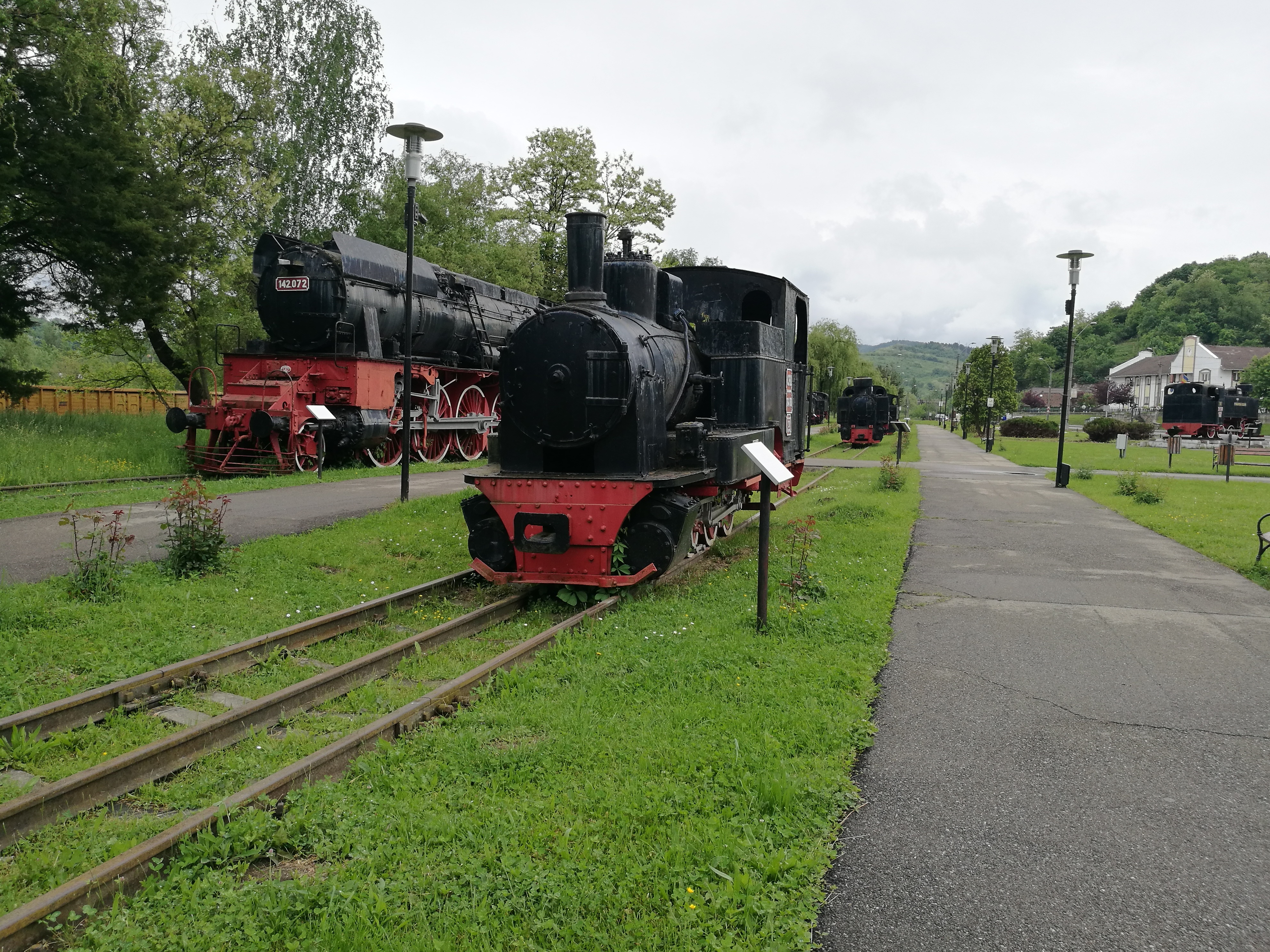
The Steam Locomotive Museum is located in Triaj Park. It was founded in 1972 through the efforts of engineer Mircea Popa. The museum includes 16 exhibits, manufactured over time in the Reșița factories.
The main exhibit, the Resicza locomotive - dating from 1872, is the oldest locomotive built on the current territory of Romania and among the first three built in the Southeast European region. It was designed by John Haswell and is a tender locomotive (length 4.48 m, service weight 11.5 t) with two coupled wheels, with a traction force of 1125 kg and 45 HP at a speed of 11 km/h. In 1961 it was recovered from Câmpia Turzii, where it was housed on a shunting line. However, the manufacture of steam locomotives in Reșița ended in 1964. List of exhibited locomotives:
List of Historical Monuments and Sites (2015), CS-II-a-A-10905
Photo source: MKBT
Location: https://maps.app.goo.gl/7KCmAXiWrdcrr5qE7
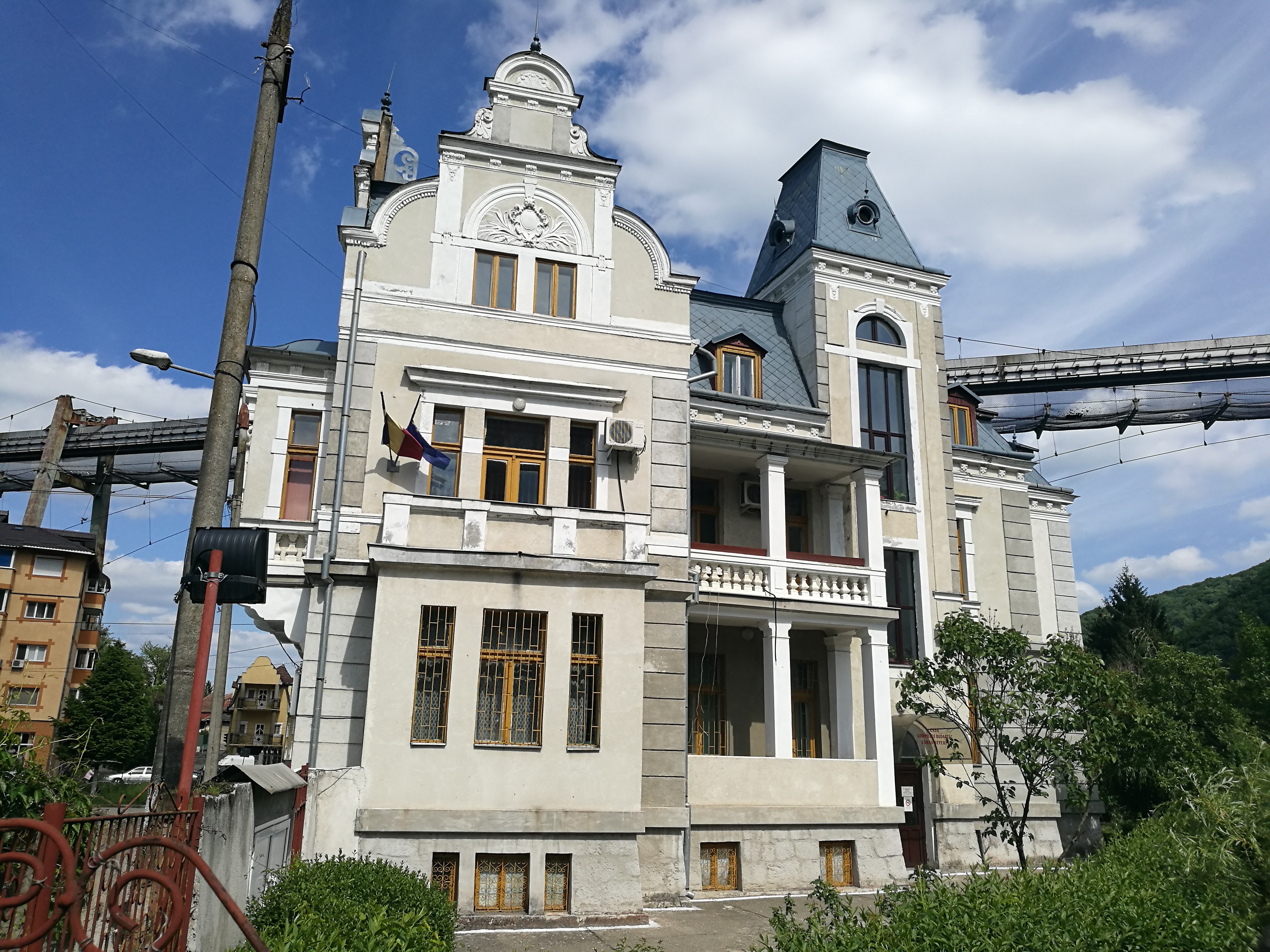
Villa Koch was built in 1900 by engineer Koch, initially intended as his family's residence. The villa was part of a fabric of historic homes that disappeared through demolition between 1970 and 1980, making way for Cărășana Park. Villa Koch became a solitary, isolated structure with an unbalanced orientation relative to the newly built urban surroundings.
After nationalization (1948), the building housed a series of successive functions such as collective housing, public catering through the Cărășana Restaurant, the headquarters of the County School Inspectorate, and the House of the Teaching Staff (from 1982). Currently, the building is the headquarters of the House of the Teaching Staff Caraș-Severin. Over time, the building underwent various structural modifications, as well as roof damage due to a fire (2001), but the character of its volume and facade plasticity has been preserved. The building was constructed in an eclectic style, with neo-Baroque and neoclassical elements typical of the early 20th century.
List of Historic Monuments and Sites (2015), CS-II-m-B-10913
Photo source: MKBT
Location: https://maps.app.goo.gl/g9CfVo7wsVzifj56A
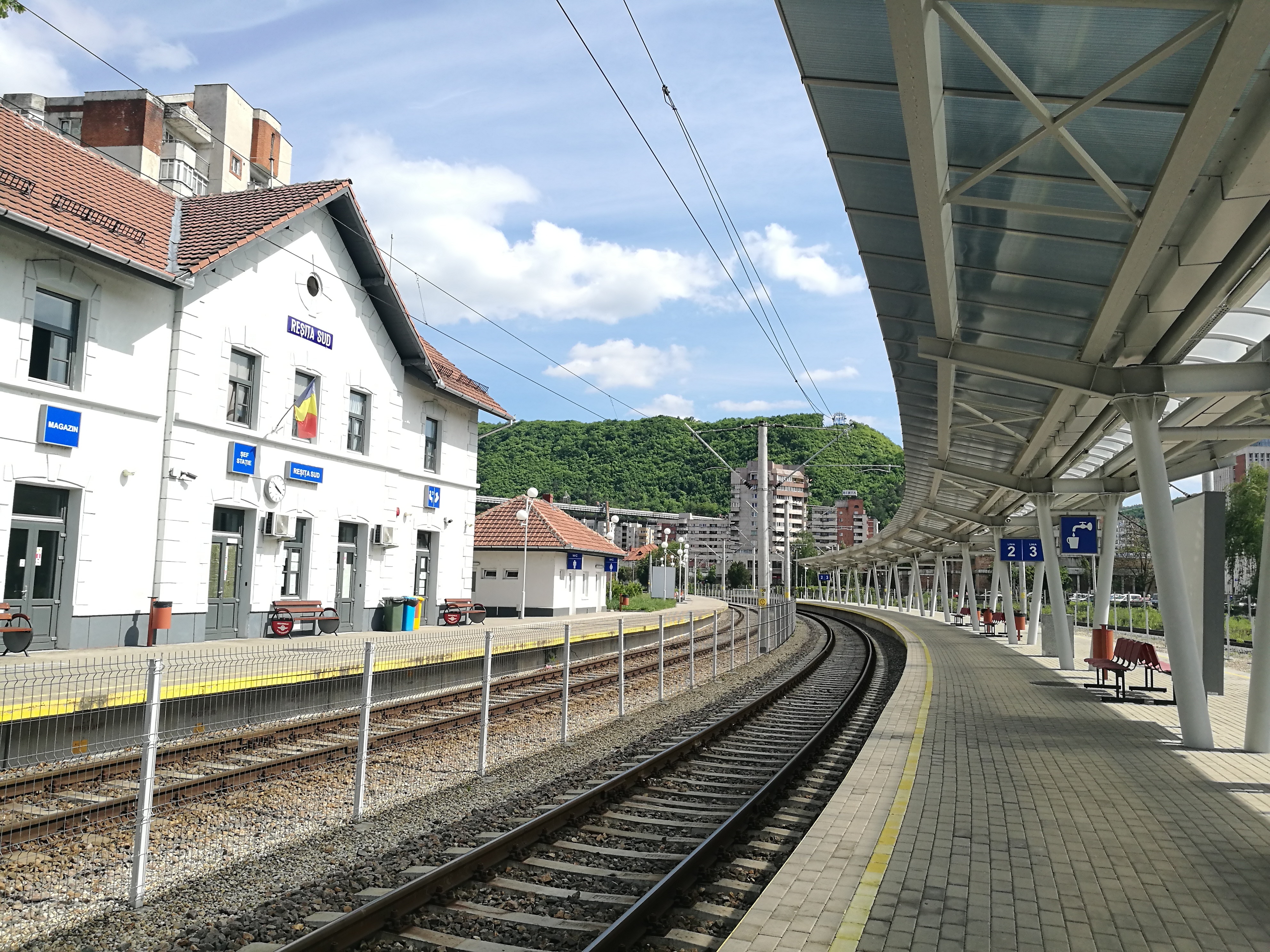
Reșița Sud Station is located near the civic center of Reșița city, on the bank of the Bârzava River. It is the oldest of the currently existing stations in the city, having been built before World War I. The building is a historical monument of category B, of regional and local importance. Through its early 20th-century architecture and its proximity to the center, it manages to complete the architectural-historical evolution of the industrial city.
List of Historical Monuments and Sites (2015), CS-II-m-B-10920
Photo source: Marius Vasile
Location: https://maps.app.goo.gl/Zqy1nSsQ4qEkTyP76
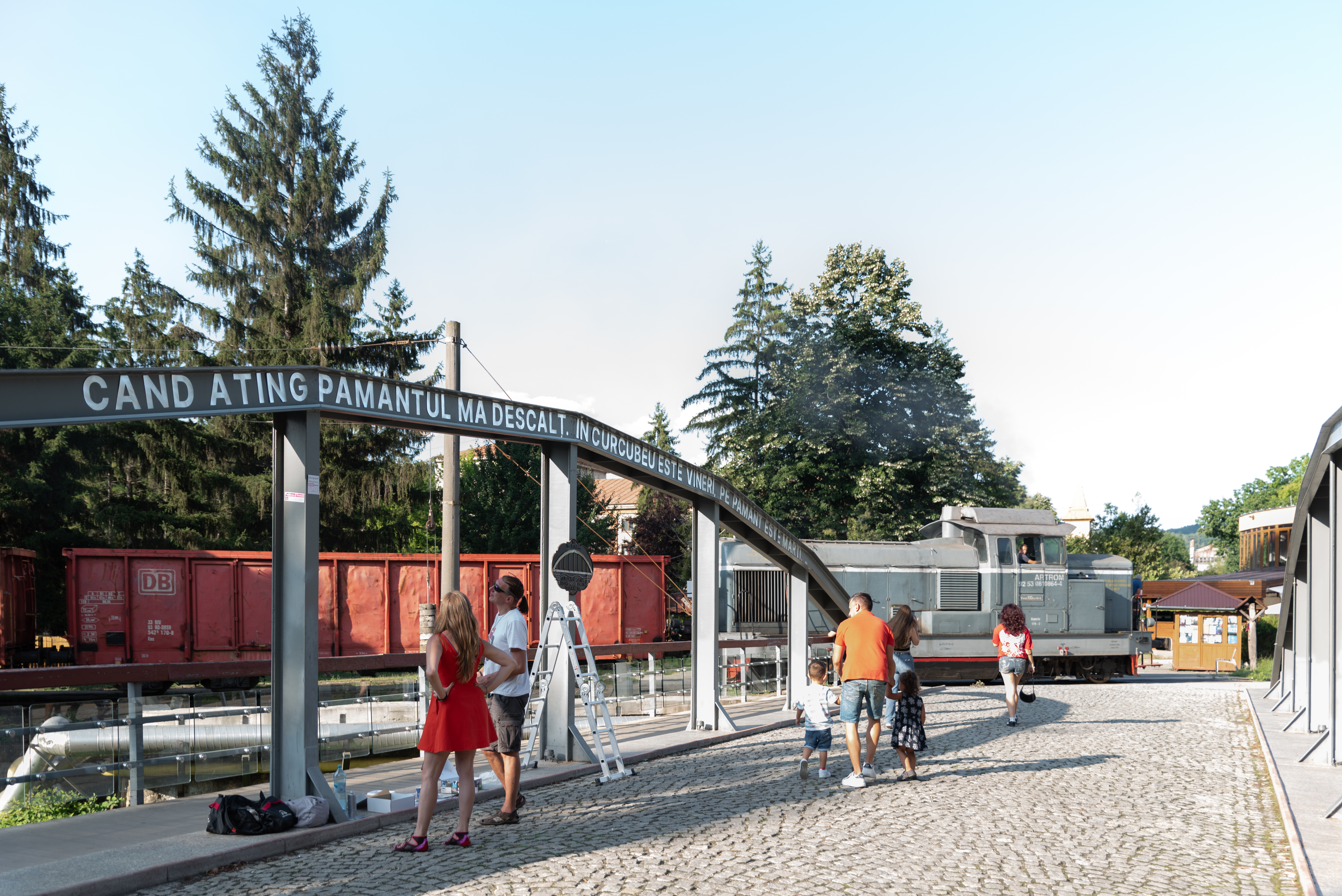
The bridge was built in 1937, representing the second welded bridge in Reșița after the one at Stavila - one of the first welded bridges in the country. It was designed by engineers Dan Mateescu and Duiliu Sfințescu, remaining an exceptional achievement given that by 1960, no other welded bridges had been built in the country.
The name "Bridge at the Customs" is attributed to its location at the crossing point between the initially separate historical cores - Reșița Română and Reșița Montană - a place where merchants were taxed. The alternative name "Pătru Iacob Bridge" derives from the old name of the area in relation to the historic houses demolished in the '80s. The bridge became pedestrian with the diversion of car traffic to the overpass, along with the construction of the Civic Center and the pedestrianization of the central area in the '80s.
Photo source: MKBT
Location: https://maps.app.goo.gl/gEXr9D4a6SGeKwWL7
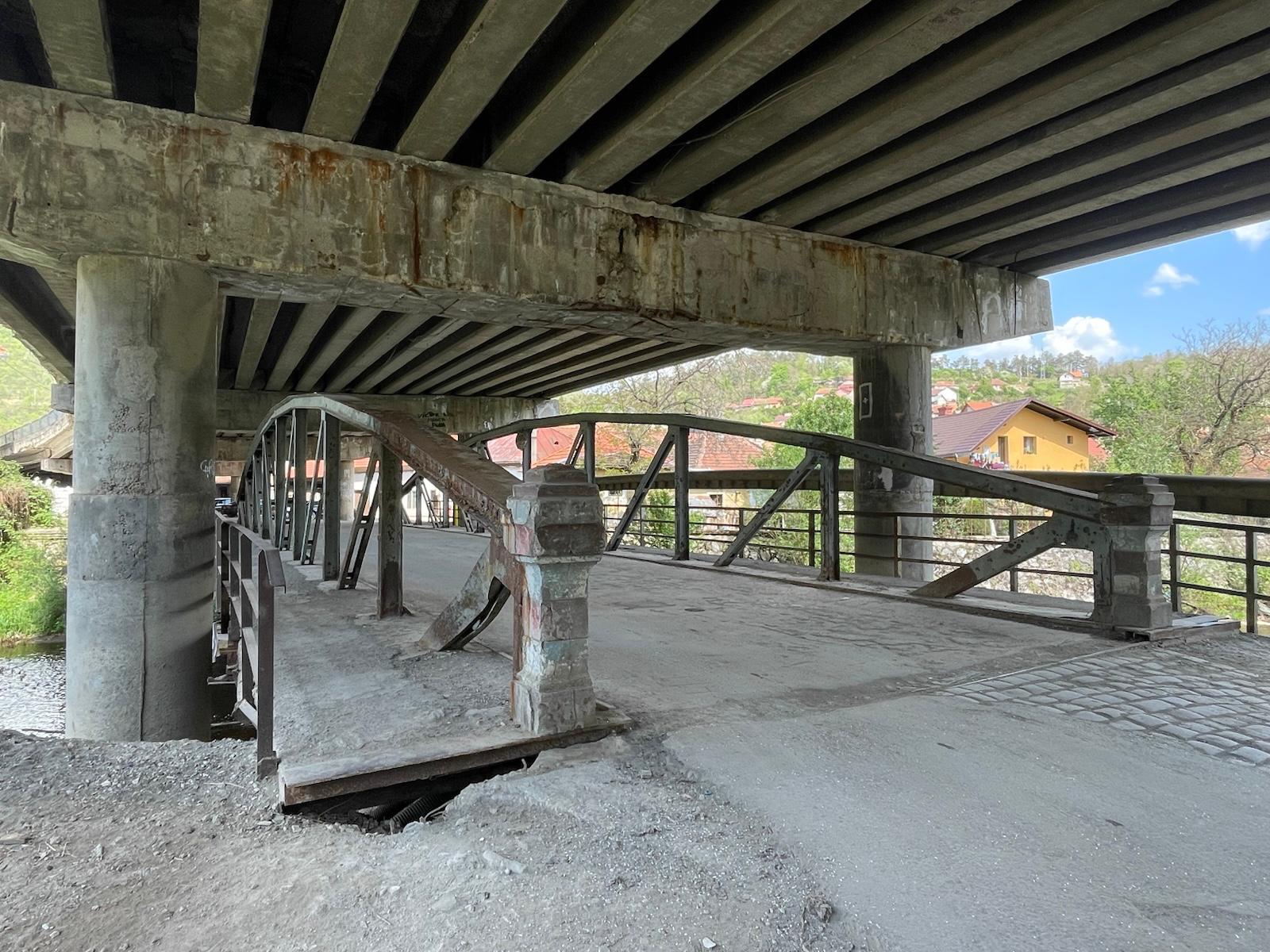
The Stavila Bridge is located in the Resita Montana area and is the first fully welded metal bridge in Romania, inaugurated on December 29, 1931. It represented an attempt to beautify the infrastructure in the history of Resita's bridges. Based on this desire, 4 stone and concrete pillars, approximately 1.5 m high with a square base, were introduced at the ends of the bridge.
Currently, a reinforced concrete bridge for heavy road traffic has been built over the Stavila bridge. The superposition of the two bridges, both still in use today, represents a unique element for the municipality and a rarity in Romania.
List of historical monuments and sites (2015), CS – II – m – B – 10903
© 2026 Resita 250+