
Reșița is the urban centre of Mountainous Banat, a mid-sized city currently in decline, yet defined by a remarkable industrial past. For 250 years, it was a powerhouse of steel production and heavy engineering, famous for its locomotives, turbines, and large-scale machinery.
The city’s sharp decline is a recent phenomenon with clear causes. Between 1990 and 2000, Reșița lost much of its heavy industry and over 25,000 jobs. This was a sudden, painful transition from a centralized, planned communist economy to the pressures of global competition. Reșița embodies the specific struggles of post-socialist Eastern European cities navigating the shift to market economies. Among them, Reșița has faced one of the most drastic economic restructurings and demographic drops, leaving the remaining population struggling with low trust, civic apathy, and a sense of cynicism.
The visible state of the city presents further challenges, as abandoned industrial sites occupy large urban areas, while former worker colonies have decayed into pockets of urban poverty.
On a positive note, Reșița has very significant strengths:
Effective Governance: It boasts one of the most high-performing local administrations in the country, which is a key predictor of future development.
Natural Setting: While still relatively isolated, the city is surrounded by rich landscapes. This makes it increasingly attractive to residents who value nature and a slower-paced urban life.
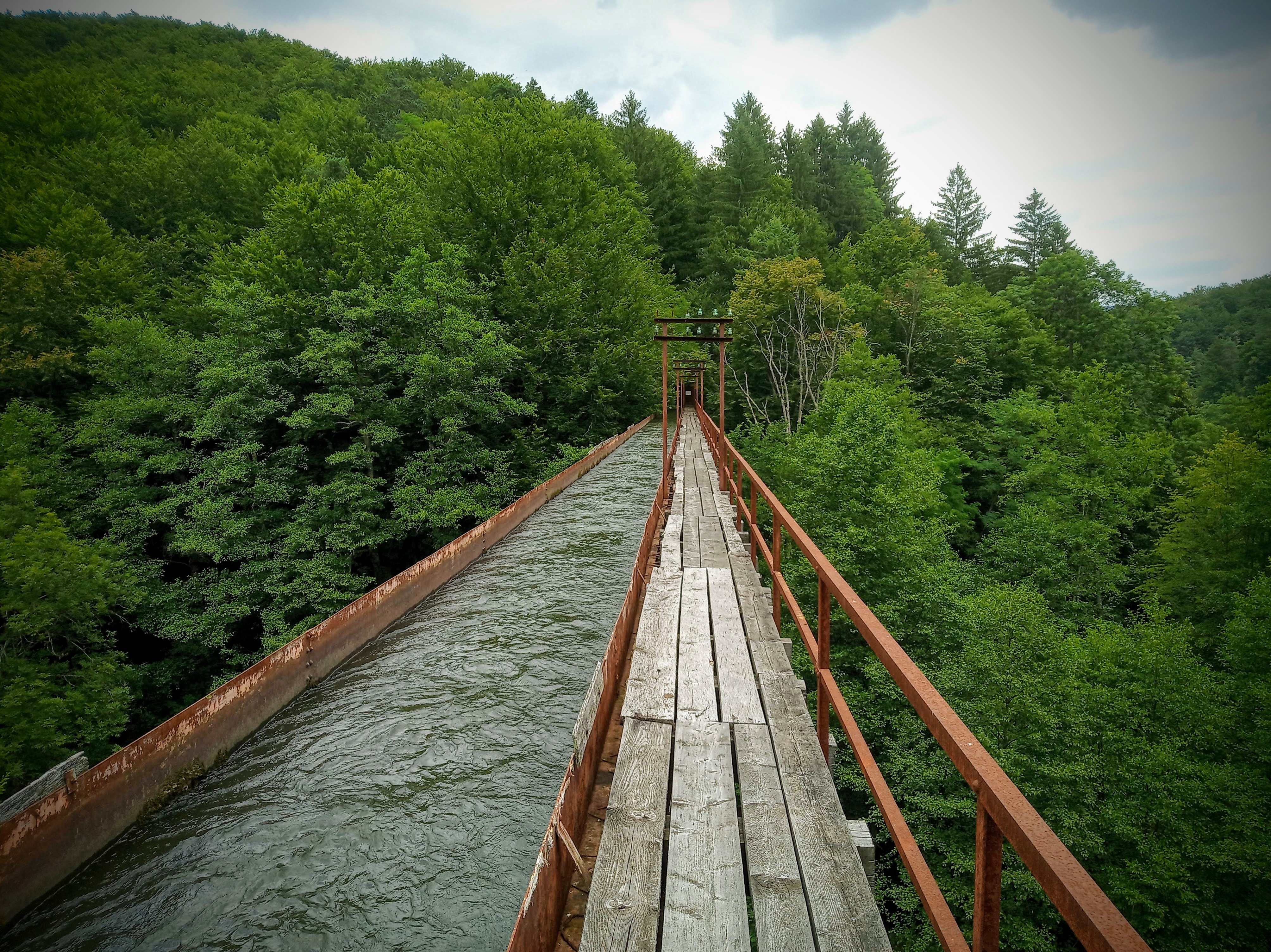
Industrial Heritage: Reșița holds a place in Romanian heritage similar to what Glasgow or Bilbao represent for Western Europe. Its abundance of unused industrial buildings includes internationally recognized landmarks, such as the TMK Blast Furnace and its complex hydro-technical systems. These sites are major growth opportunities.
As the city undergoes large-scale public investment in basic infrastructure, we believe systematic efforts are needed to spark innovation and creativity. This is essential for the other layers of the city’s rebirth: its social capital, local identity, economic productivity, and overall quality of life.