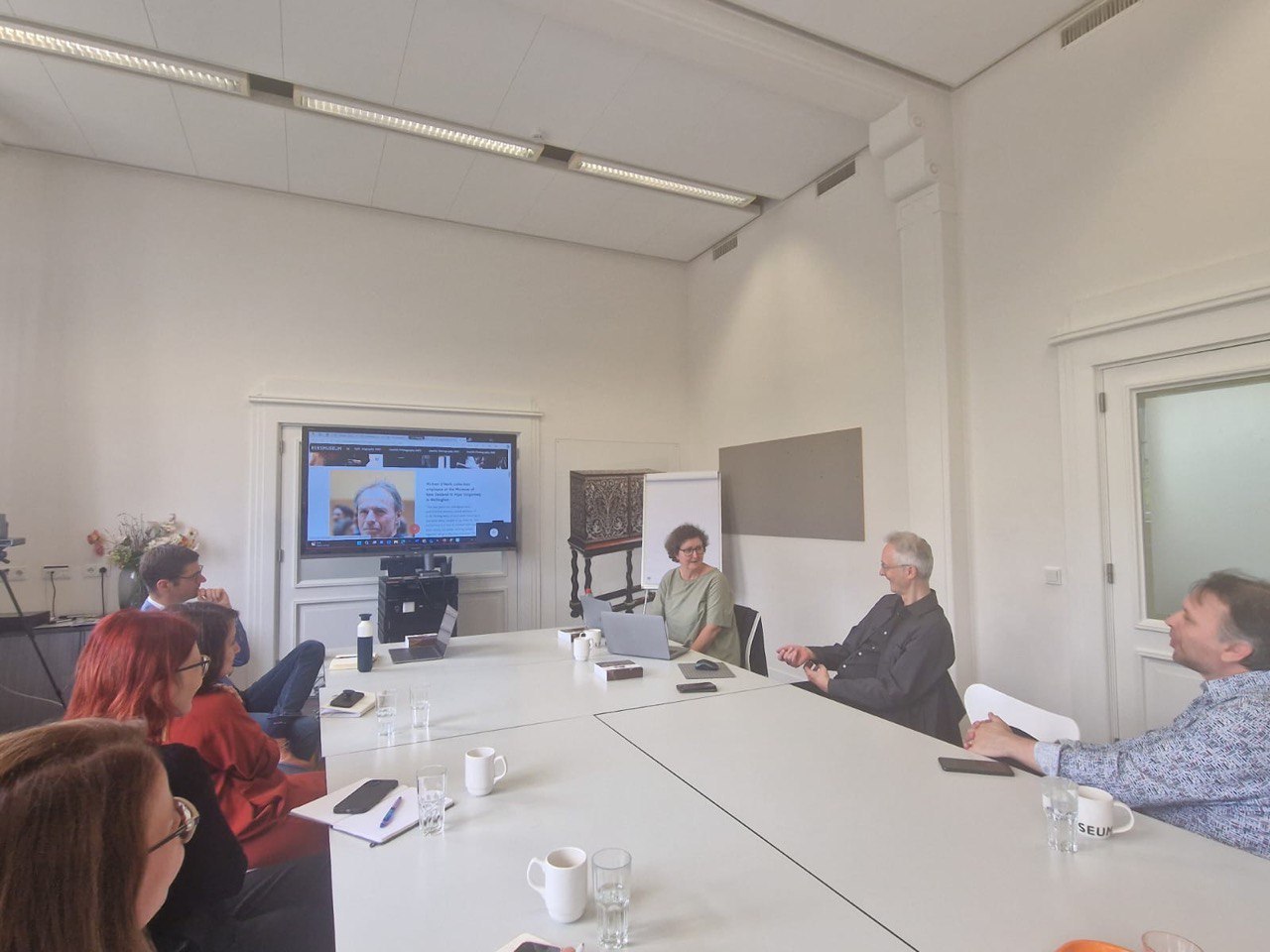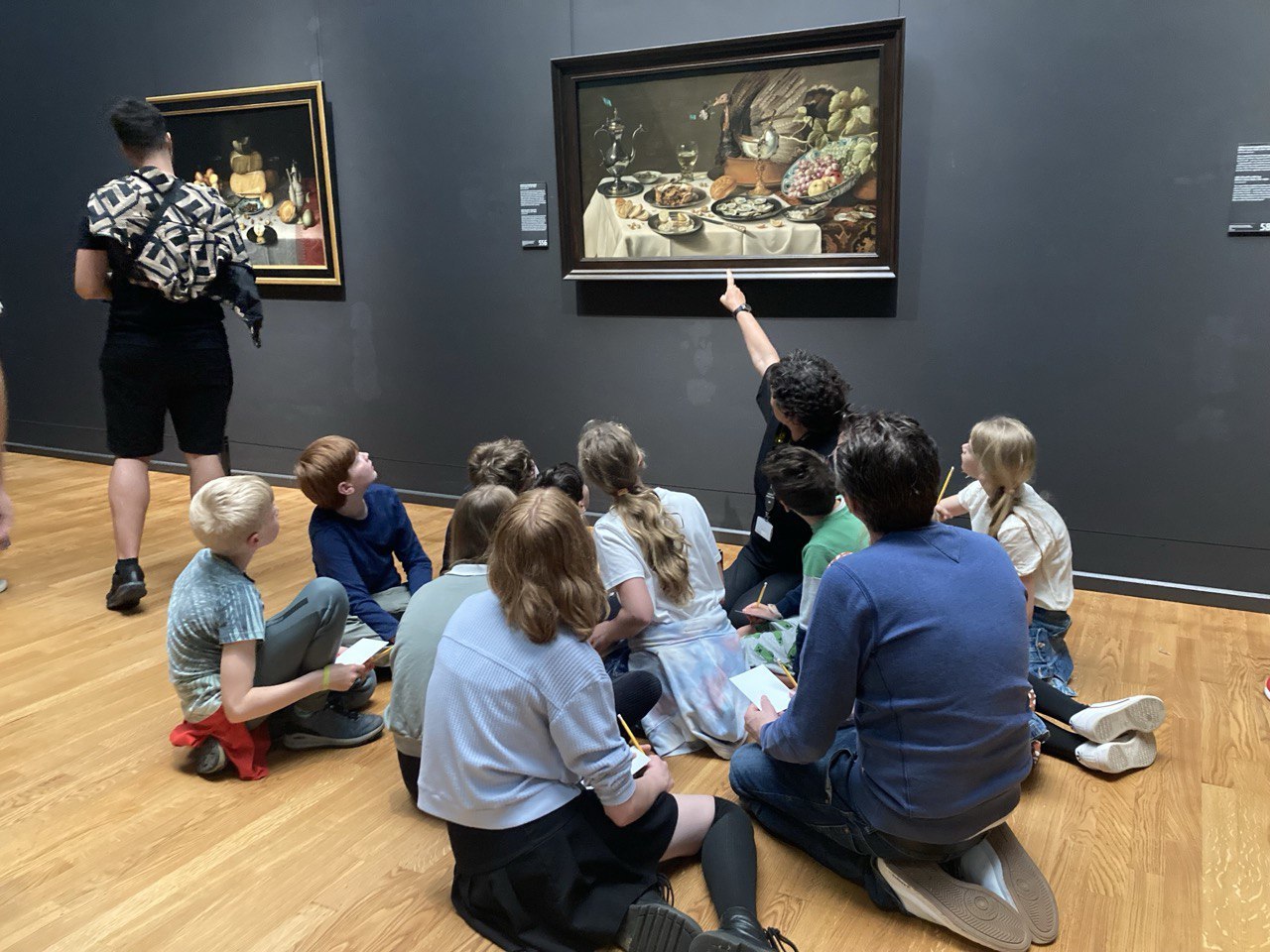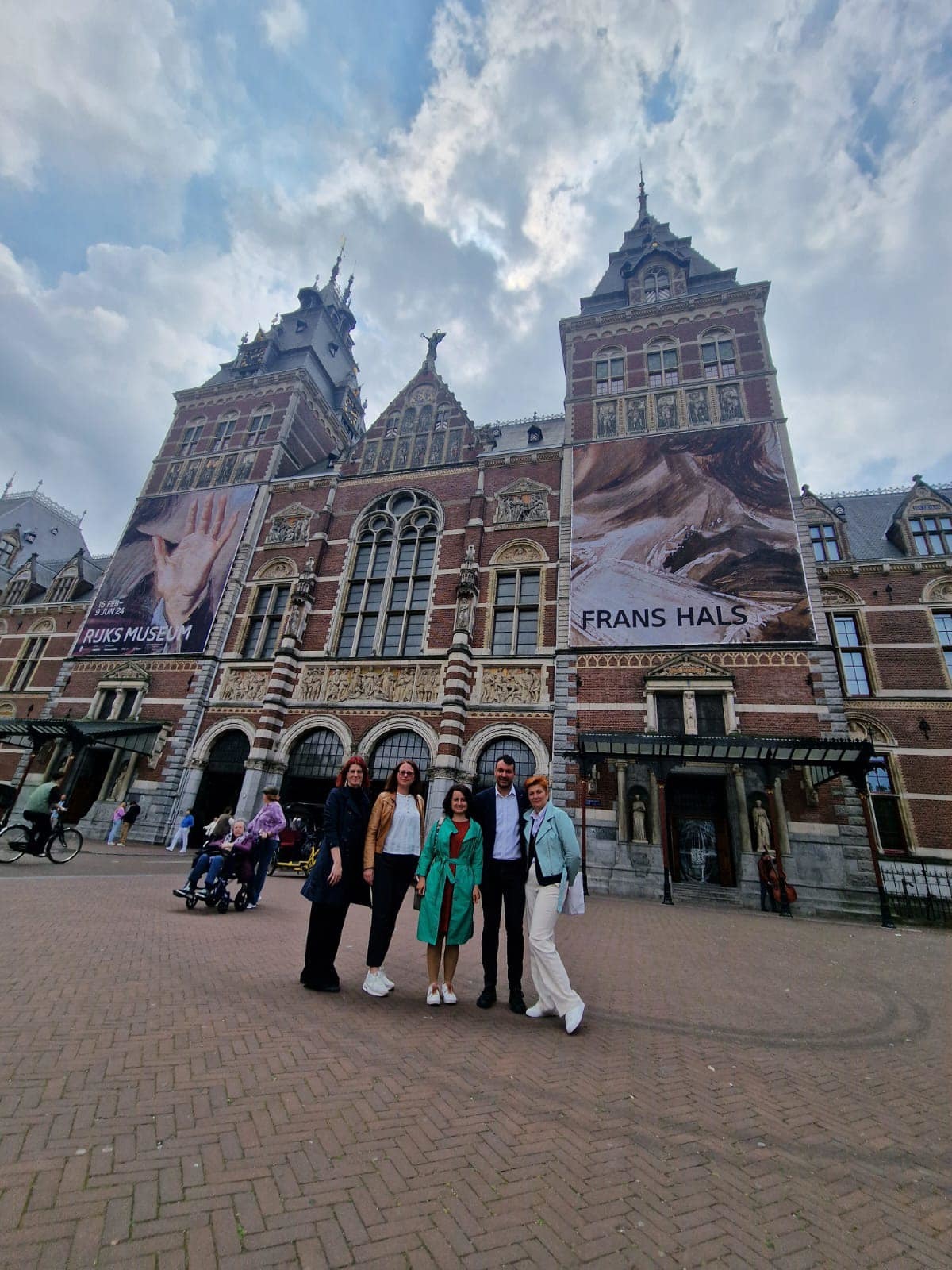
Our colleague, Marina Batog, participated in a study visit to Amsterdam at the beginning of June, exploring the city's extraordinary museums and, above all, benefiting from direct interaction with those behind Rijksmuseum Studio and Rijksmuseum Stories.
A few thoughts and ideas relevant to the Reșița Virtual Museum as well:
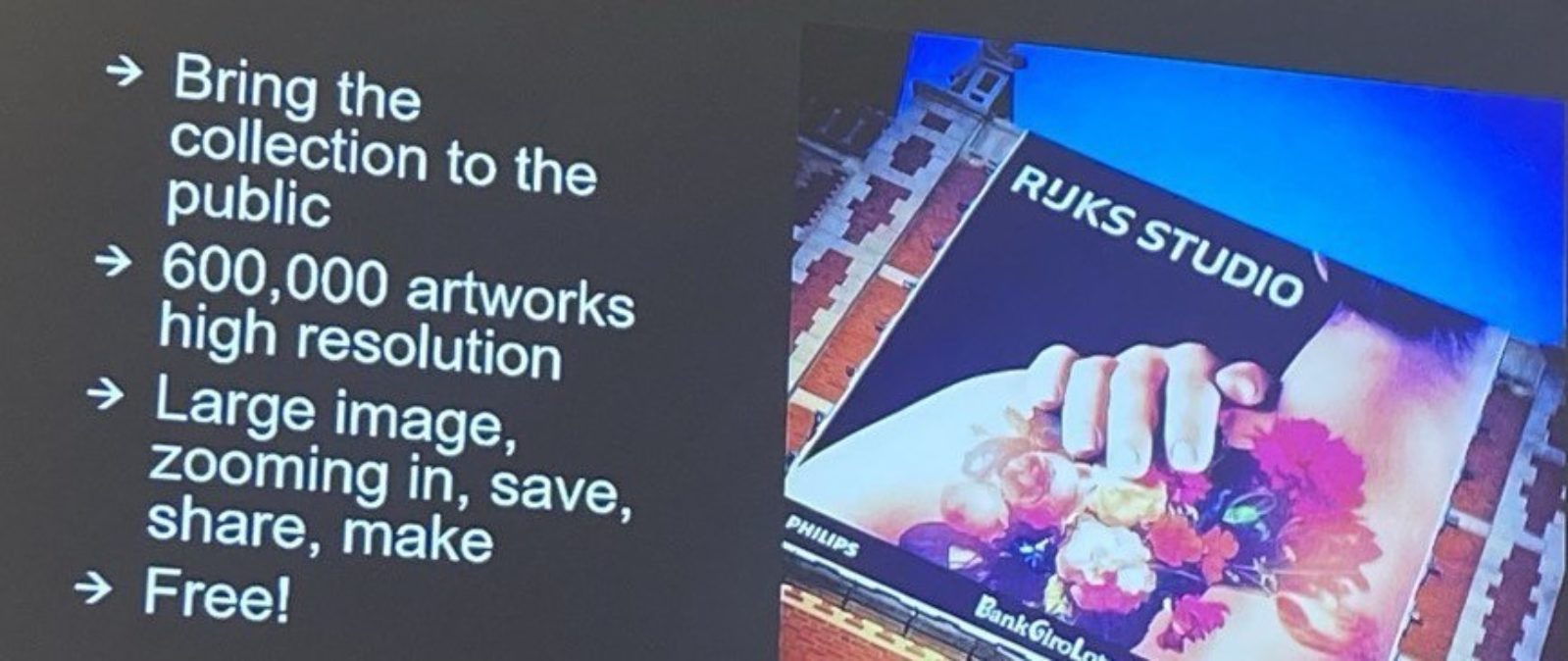
• Rijksmuseum Studio is a digital archive fully open to the public. Meaning anyone can explore, view in unimaginable detail, download, and use the image as they wish. Explore a sample here from the museum's 600,000 (!) images of artworks available online.
• Users can create their own image collections – a platform feature inspired, as they themselves stated, by Pinterest. And users are encouraged to reuse the images made available in their own design products – printed clothes, ceramics, tattoos, car collages, phone cases, anything. Thus, art from the Rijksmuseum is available to anyone, anywhere – with one exception, namely works by contemporary artists. Why did they do this? Approximately quoted – in an era of AI, they believe the value of an image decreases towards 0, and what matters more is what you do with that image, and the visibility and reputation you have as an institution. Furthermore, they consider themselves a public institution, of public interest (although their funding is about a third from public funds, complemented by another third from sponsorships, and a third from their own revenue from tickets and other sources), with the primary mission of promoting and popularizing art.
• Rikjsmuseum Stories are virtual exhibitions associated with physical ones, which provide additional information, enriching the visiting experience. They have proven to have a very high conversion rate – almost 40% of visitors to such a physical exhibition stated that they had previously explored the virtual exhibition. Additionally, they have significantly increased the time spent on the website.
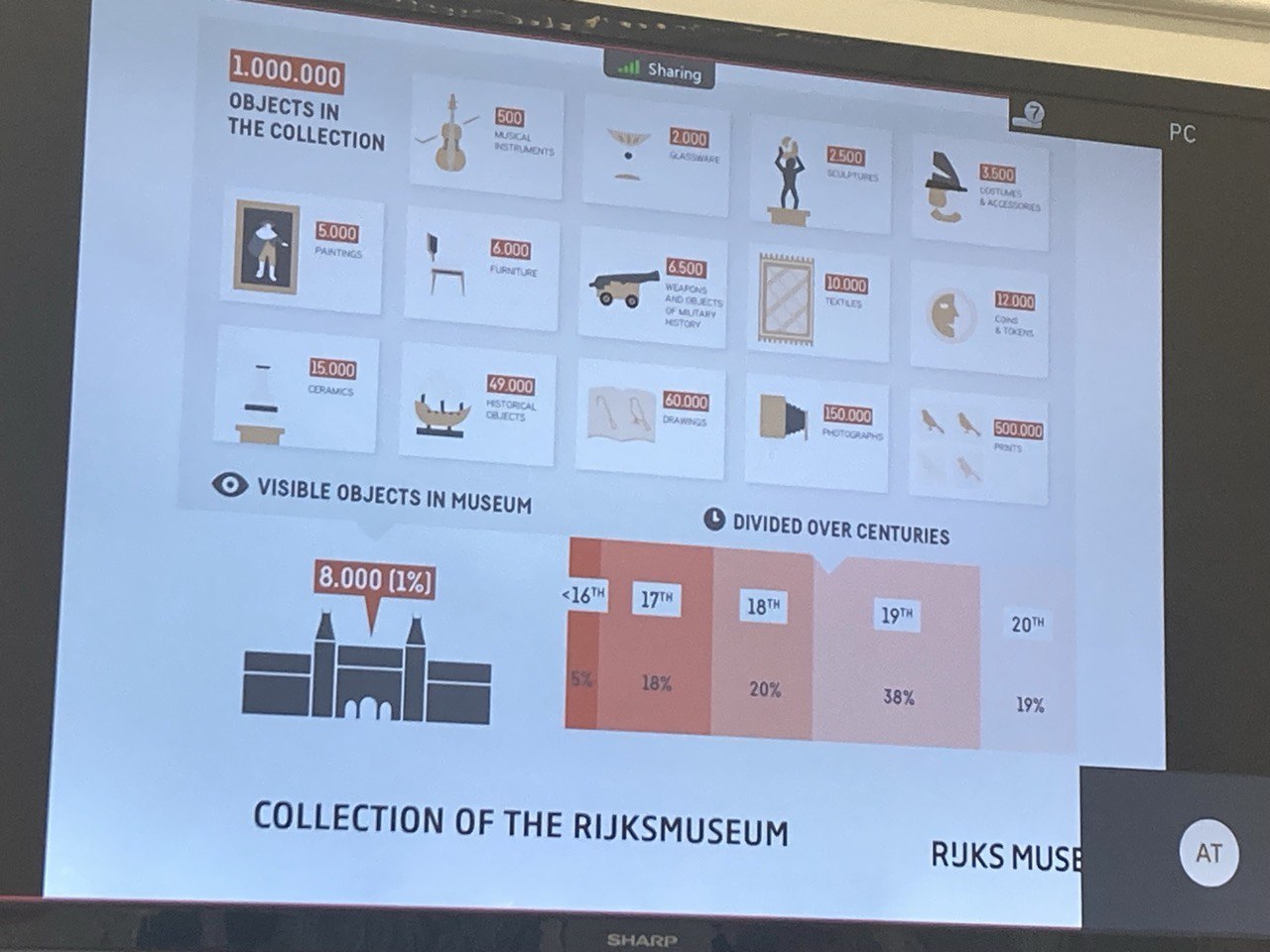
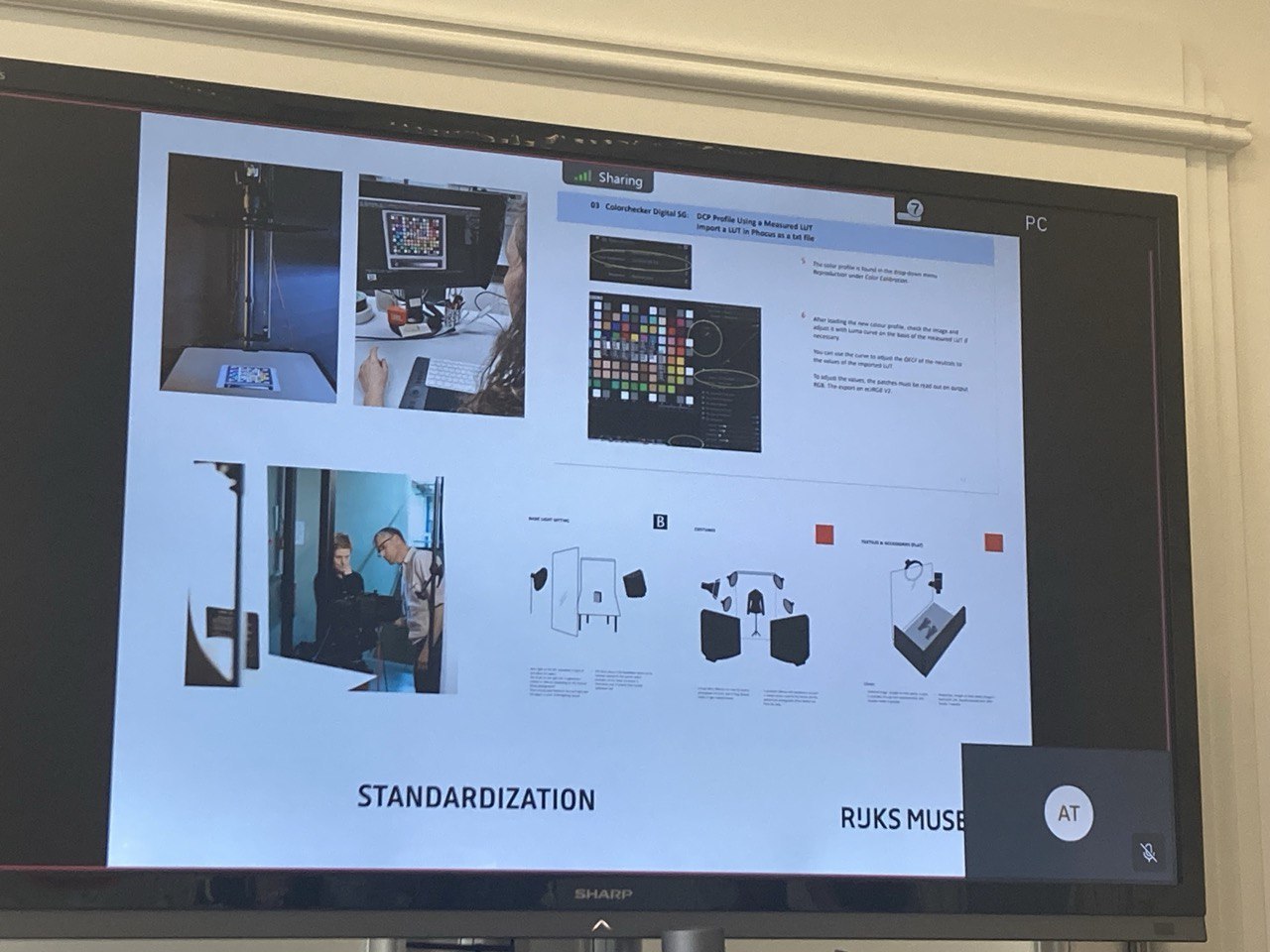
• Behind these platforms is an entire, mixed team, at the intersection of curators, art historians, and software engineers. And especially a huge, systemic effort, initiated in 2006-2007, to digitize the museum's entire collection of artifacts, consisting of over 1,000,000 artifacts. To date, over 95% of this collection has been digitized.
I participated in this visit at the invitation of Livia Magina, Director of the Banatului Montan Museum, Mirela Bârz, Director of the Maramureș Museum, Bianca Bălșan, Director of the Brașov Art Museum, Alexandru Chituță, Director of the Brukenthal National Museum, and Dragos Neamu. Besides Rijksmusem, we also visited the Amsterdam Museum, dedicated to the city's development, the NXT Museum of digital art, and the Nemo Science Museum - we'll talk about these on another occasion.
The study visit was made possible with the support of the Banatului Montan Museum, being organized within the MBM Creativ project, co-financed by the National Cultural Fund Administration.