The economic restructuring that led to the closure or reduction of activity in many large factories was not a phenomenon that affected only Romania but the entire post-socialist space. We set out to discover how other Central and Eastern European countries have treated this fundamental transformation of heavy industries and the legacy of disused sites with centuries of history.
Thus, at the end of June, we were on a study visit to the Moravia-Silesia region, which extends into the northeastern part of the Czech Republic and across the border into Poland. Here we discovered the transformation process of two industrial sites focused on steelmaking and mining - the Dolni Vitkovice complex (hereinafter referred to as DOV) in the city of Ostrava, Czech Republic, and the Ignacy Historic Mine in the city of Rybnik, Poland.
DOV
In Ostrava, a city about the size of Timișoara, we discovered industrial sites spanning hundreds of hectares, some still in use and some disused. In addition, there are dozens of mine shafts located all around the city. The DOV complex, although huge when you walk through it as a visitor, is a tiny speck in this canvas of industrial sites.
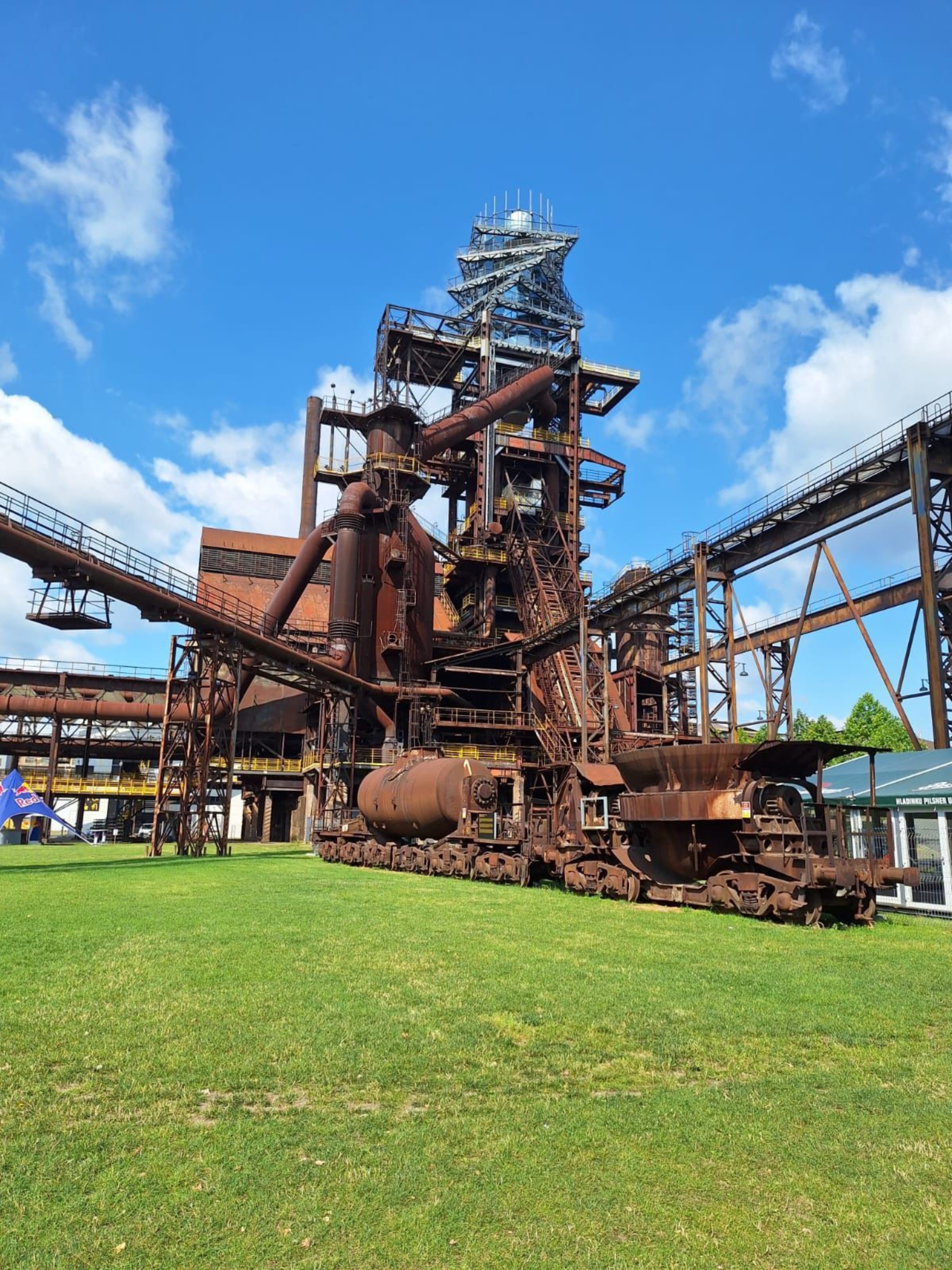
DOV is built on the Dolní Vitkovice mining and steel production industrial site, established in 1835. A good part of the facilities used in the production process were abandoned in the 1990s, and a complex process of urban regeneration and functional conversion began in 2011. With the support of EU, national, and local funds, the site has been transformed into a complex with educational, socio-cultural, and recreational functions, receiving more than 1.5 million visitors annually.
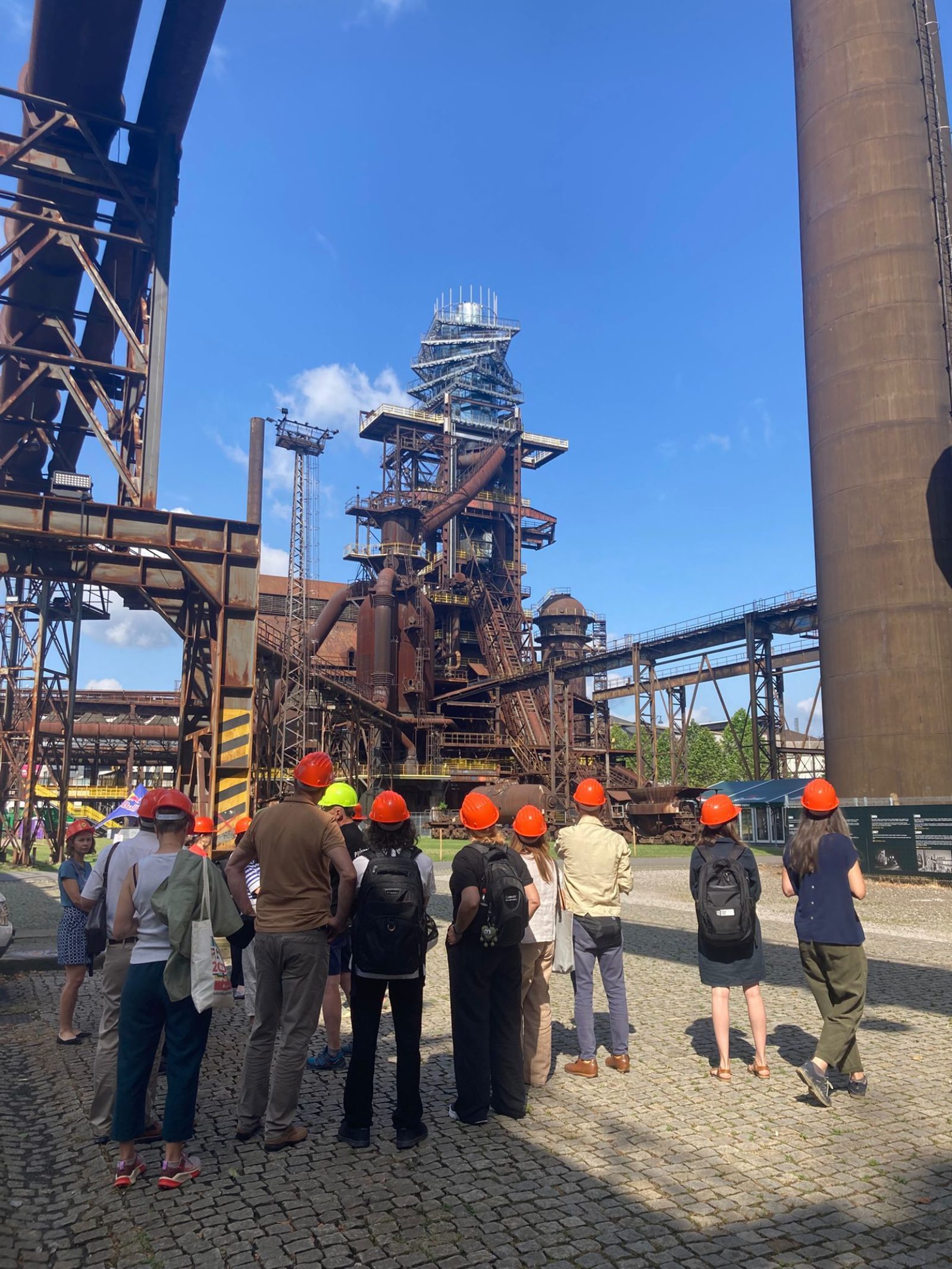
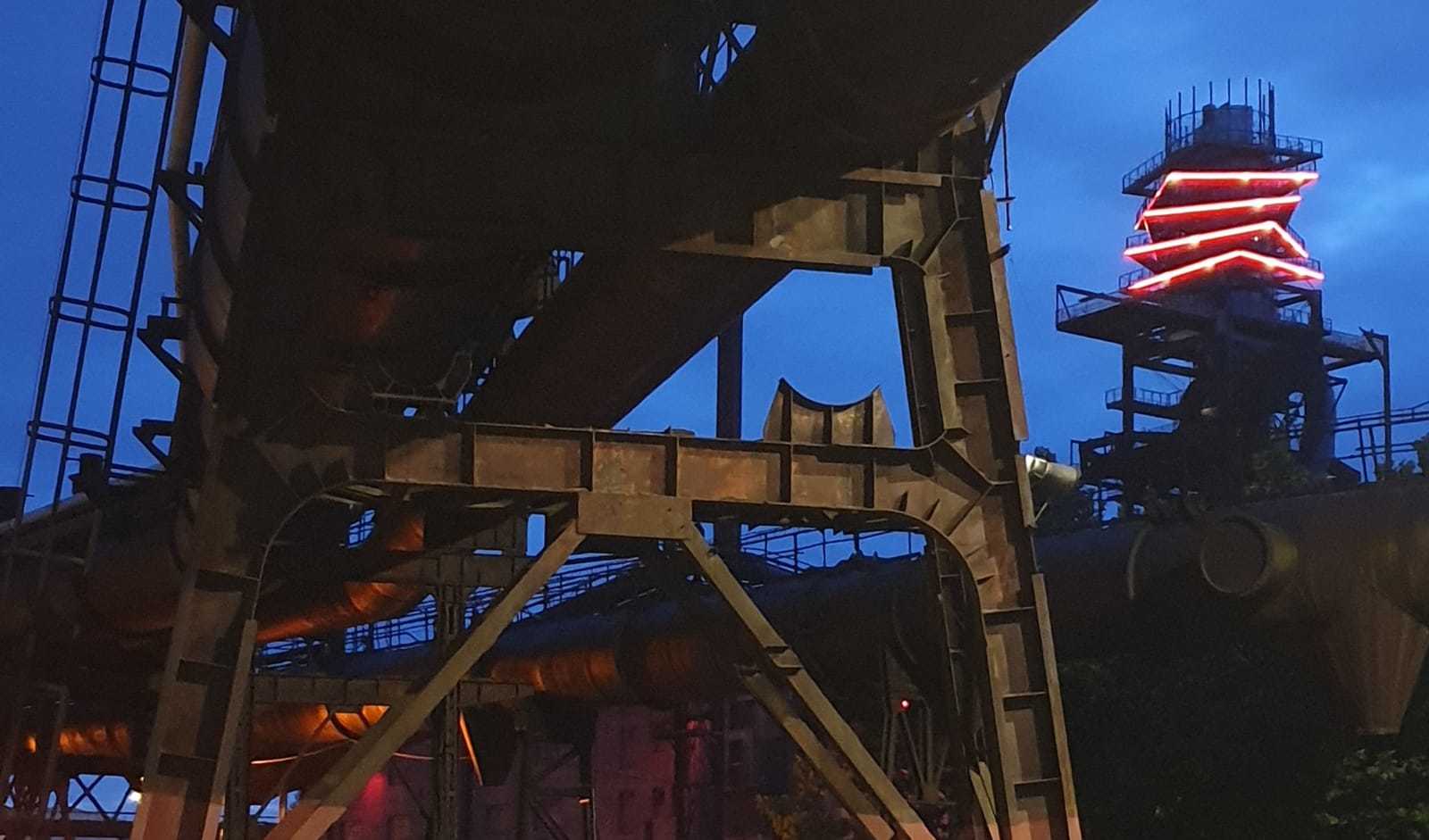
One of the three blast furnaces that survived demolition has been transformed into a viewing tower - pictured alongside. The other two have been secured and preserved as they are, along with the Hublina Mine in the immediate vicinity. The gas holder has been restored and converted into an event hall, with exhibition spaces and a cafe on the ground floor. And one of the adjacent industrial halls houses a science and technology museum for children, which also explains various industrial processes, e.g., the functioning of the blast furnace or the generation of energy needed for the entire industrial process, etc.

Ignacy Historic Mine
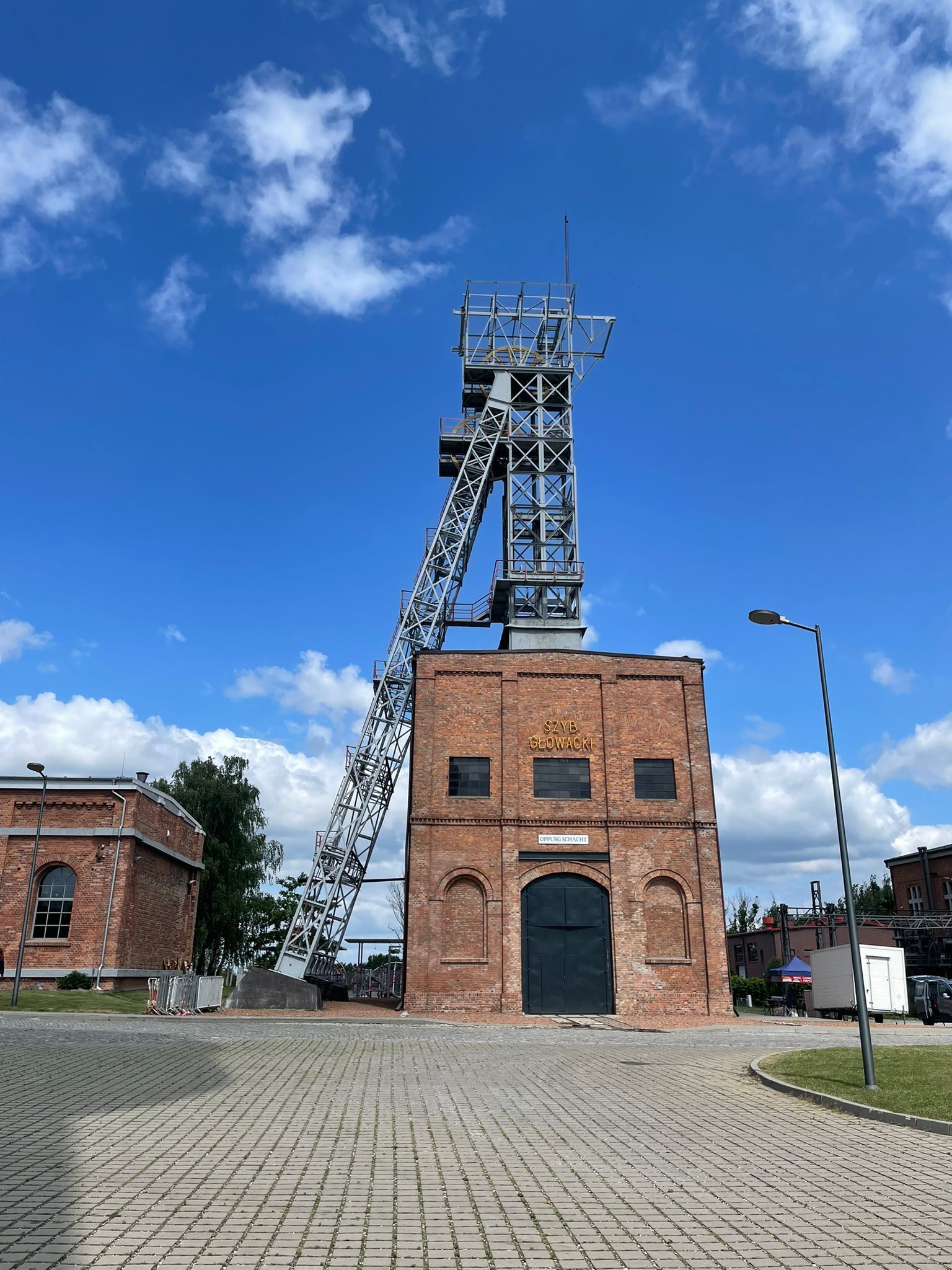
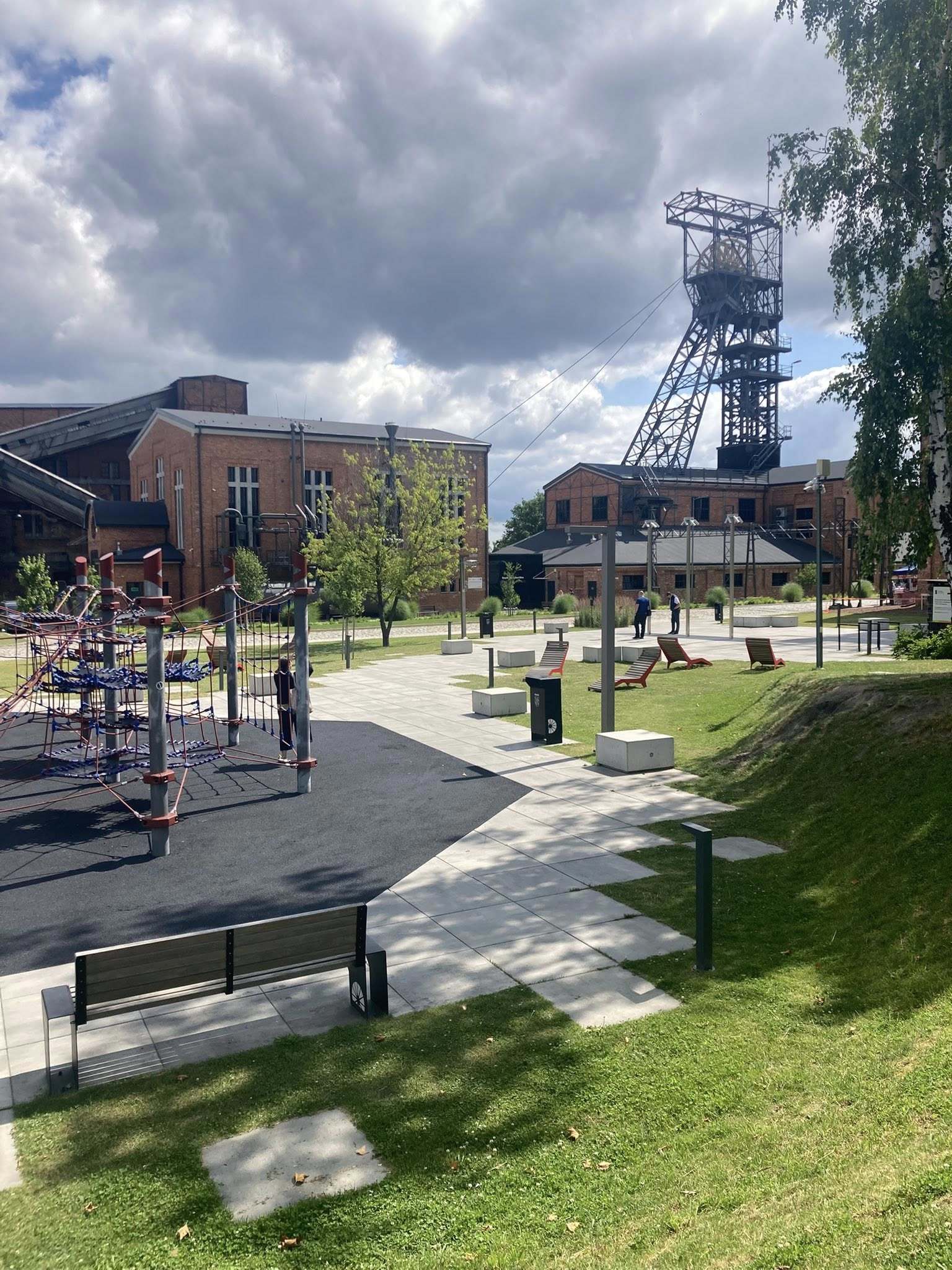
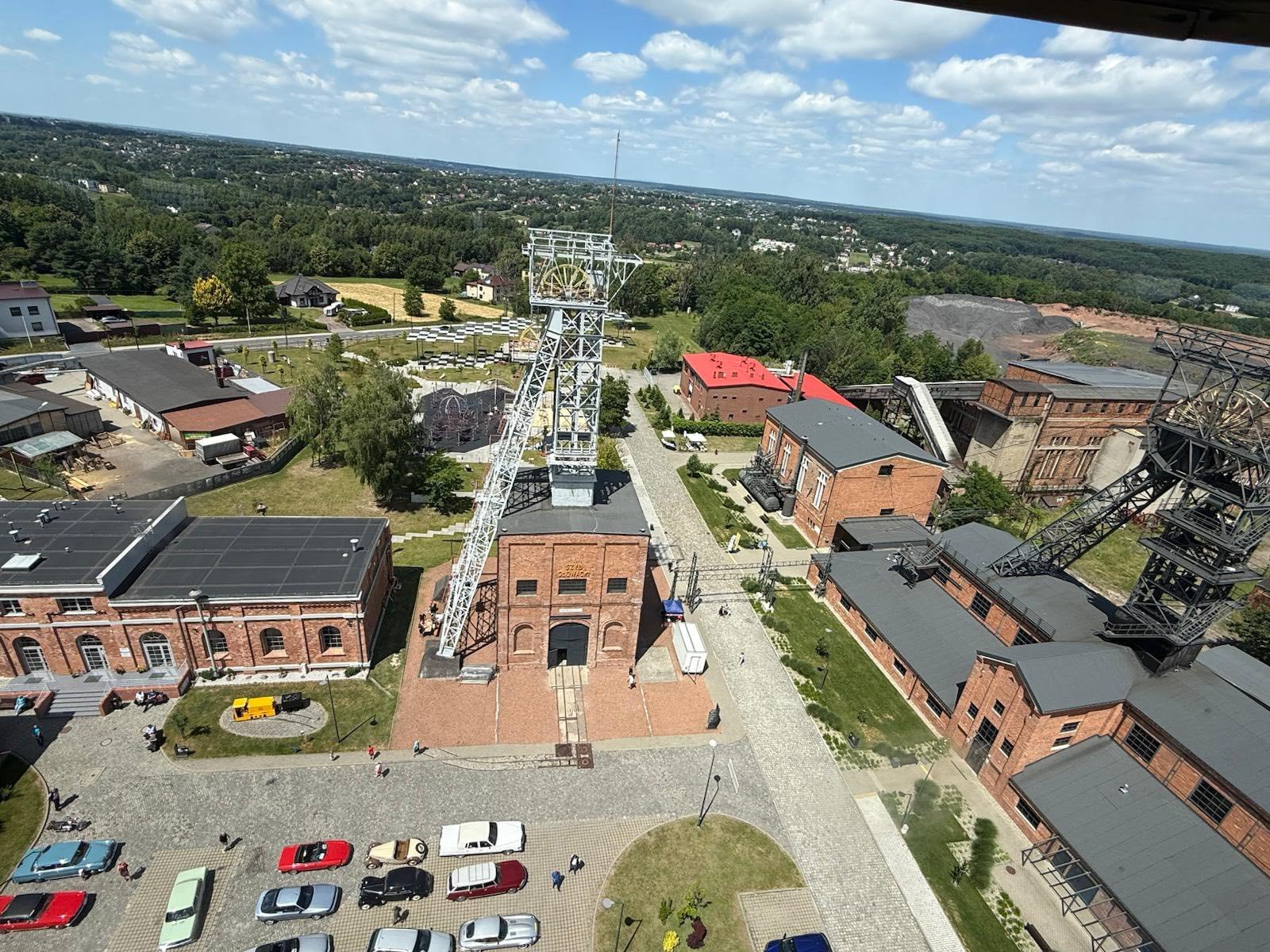
The Ignacy Mine is one of the oldest coal mines in Upper Silesia, southwestern Poland, operating between 1792 and 1995. The restoration and functional conversion process of the mining complex began in 2015, with the support of European and governmental funding. The mine was opened to the public 3 years ago - two of the shafts can be visited as museum spaces, a unique attraction being the steam winding engine for lifting the cages from the mine shaft, which has been brought back to working order through the efforts of former miners. Visitors can climb the water tower for a panoramic view of the entire complex and its surroundings. The complex courtyard has been transformed into a park for the area's residents and visitors, and two adjacent buildings have been converted into an educational center for children and an event space for the community. In 2024, the Ignacy Historic Mine received the prestigious Europa Nostra Award for Conservation and Adaptive Reuse.
What thoughts did we leave with?
These processes of preserving and transforming industrial heritage are most often rooted in the passion and determination of a few individuals who unite and mobilize support and resources. In none of these cases was the state the one that initiated or led these processes, but rather a mix of involvement from groups of citizens/former employees, architects/other specialists, and representatives of the factories that owned or still own these assets. The involvement of the authorities was, yes, essential for supporting the process in the long run, mediating access to funding, and taking over the management of some of these sites.
A timeframe of 10-15 years is indeed the minimum required to get such preservation and functional conversion processes off the ground. And the work is never finished - taking care of such complexes in the long term requires well-thought-out sustainability strategies and new forms of management organization: a non-profit entity in the case of DOV and a municipal structure in the case of the Ignacy Mine.
One cannot help but be impressed by the scale and story of these industrial complexes. Preserving at least a fraction of them becomes a form of healing the wound of loss and celebrating generations of steelworkers and miners who contributed not only to the development of the area but also to the country.
The two industrial sites are described in more detail as case studies in the brochure “Remediation of contaminated sites and reconversion of industrial real estate” prepared by MKBT and Bankwatch in April 2025, which you can access by clicking here.
We were on this visit alongside representatives from the Reșița City Hall and Anina City Hall, the Reșița Local Development Agency and the West Regional Development Agency, the National Heritage Institute and the Timiș Order of Architects, as well as representatives from civil society: MKBT, the Banatul Montan Community Foundation, the Non-Formal Spatial Planning Workshop, and the Amateur Filmmaker Museum.
More photos from this study visit are available in the article in the News section, on the platform www.muzeulvirtualresita.ro.
---
The study visit is part of the project “Let’s rally around the last blast furnace”, co-financed by the National Cultural Fund Administration and the Reșița Municipality City Hall.