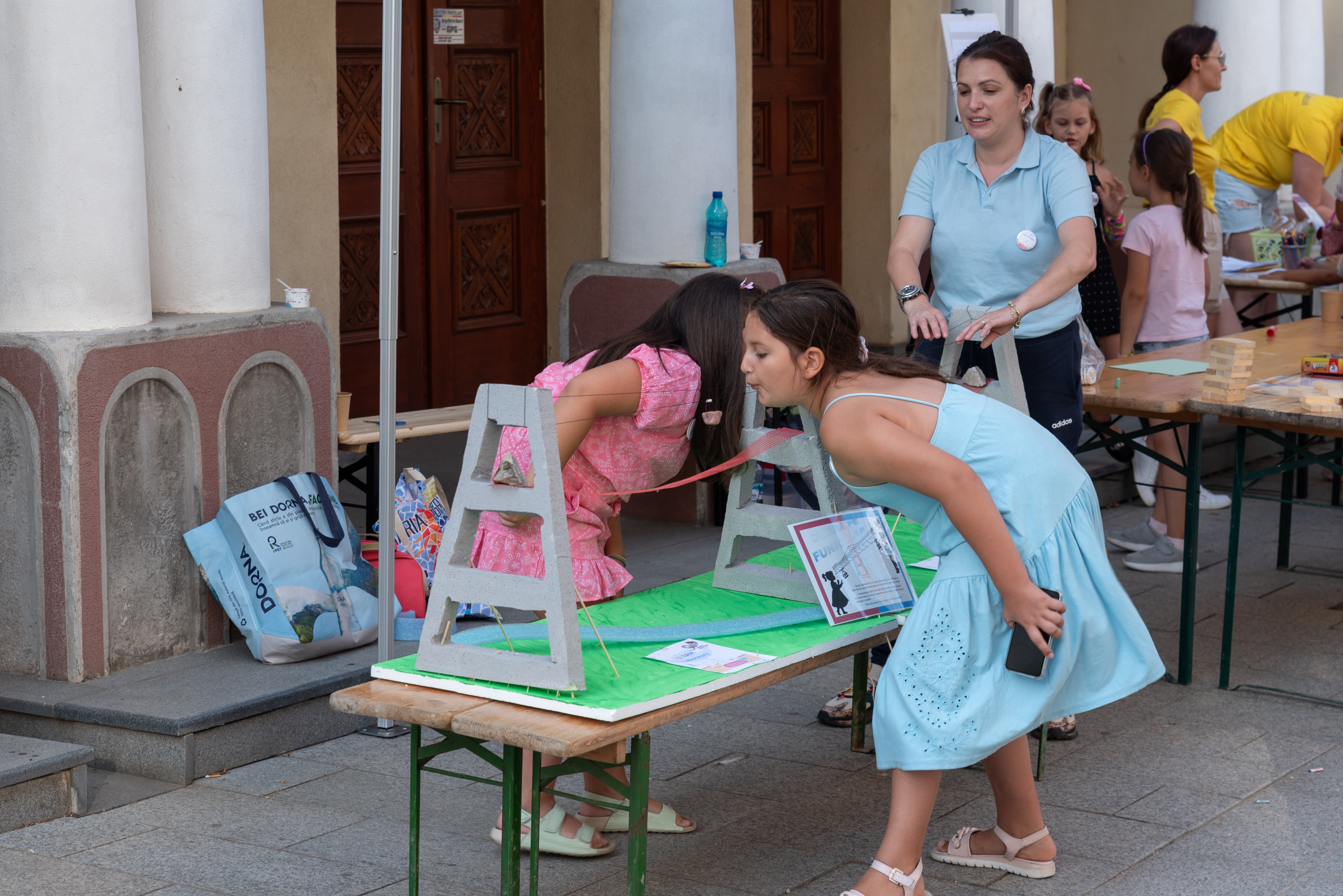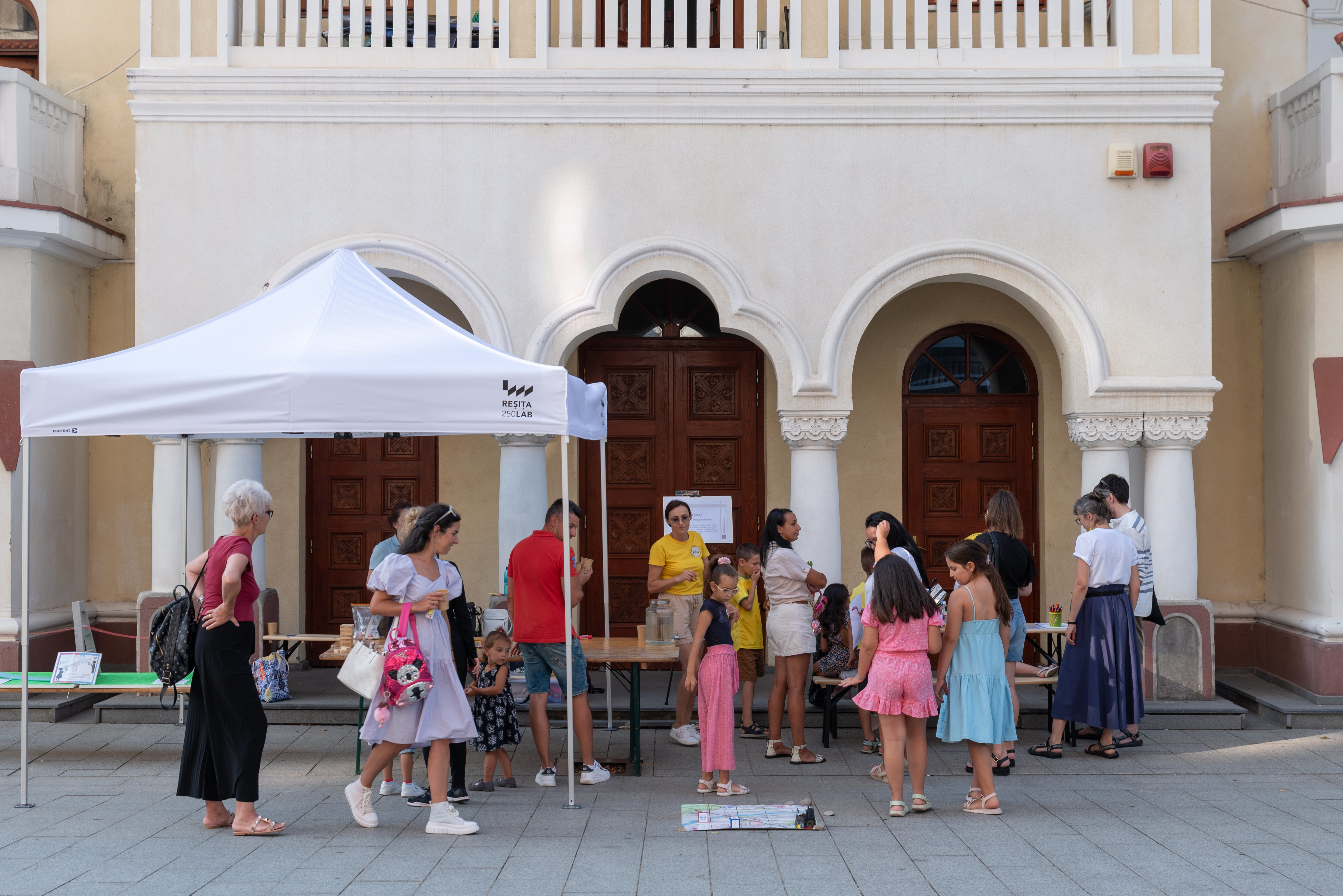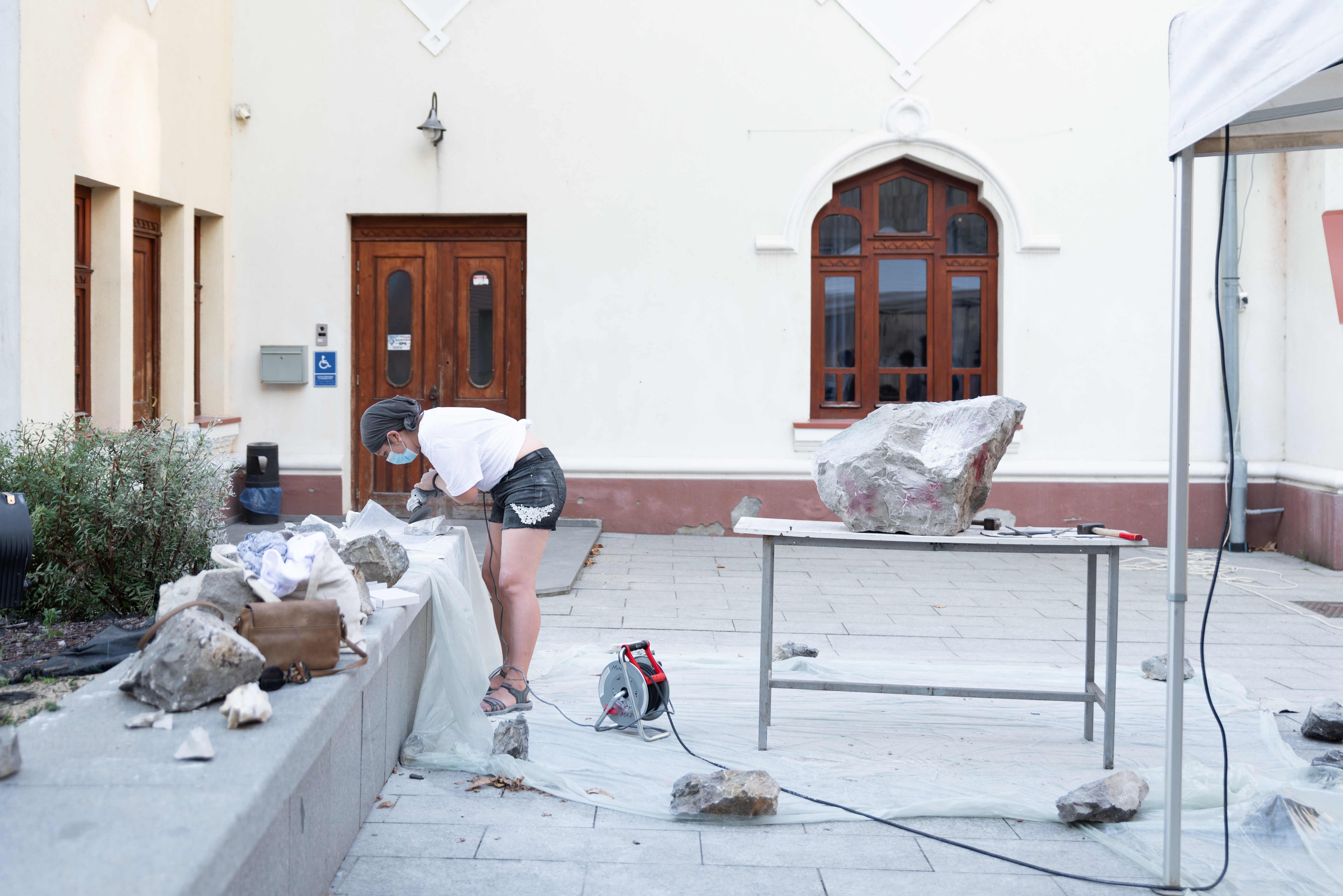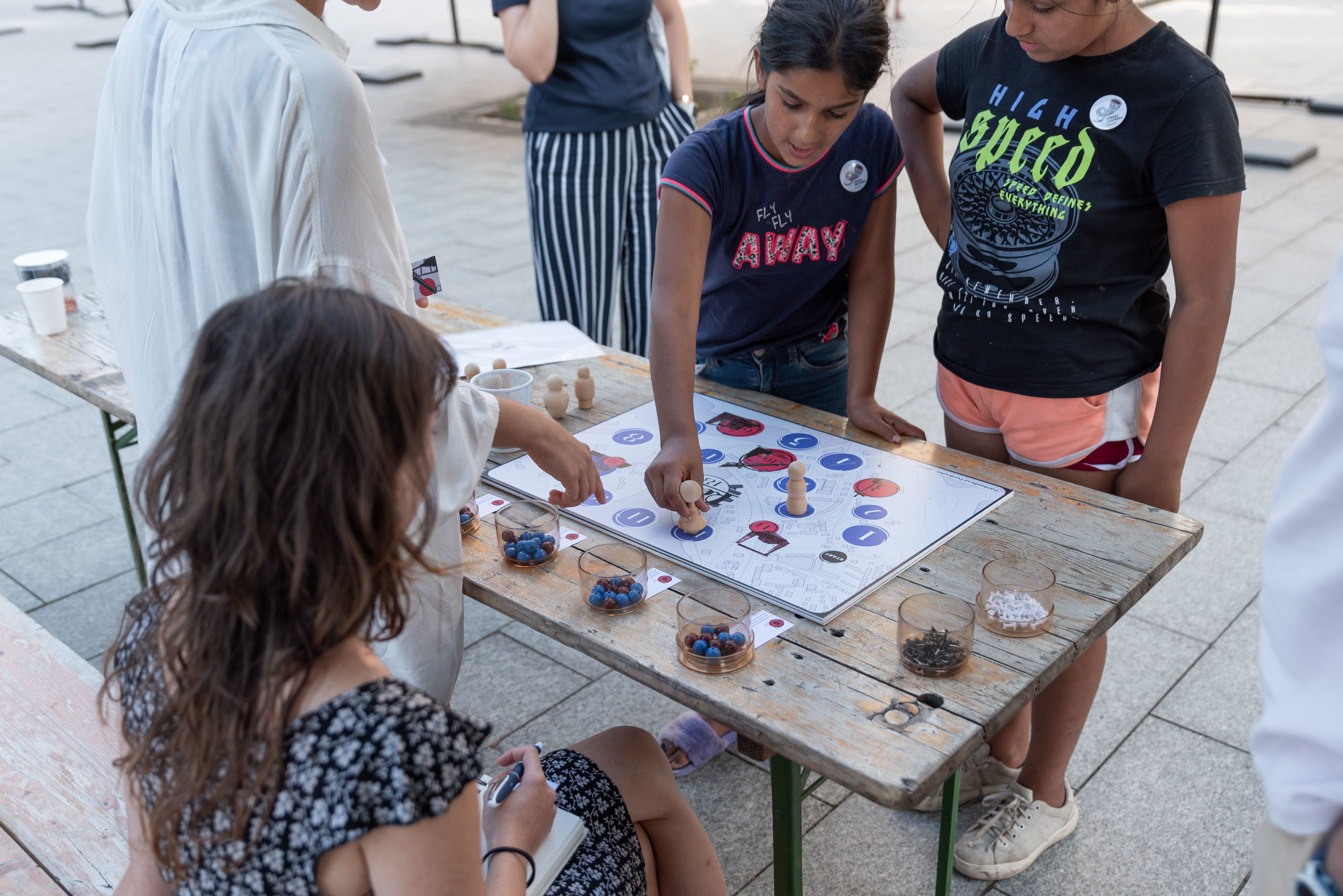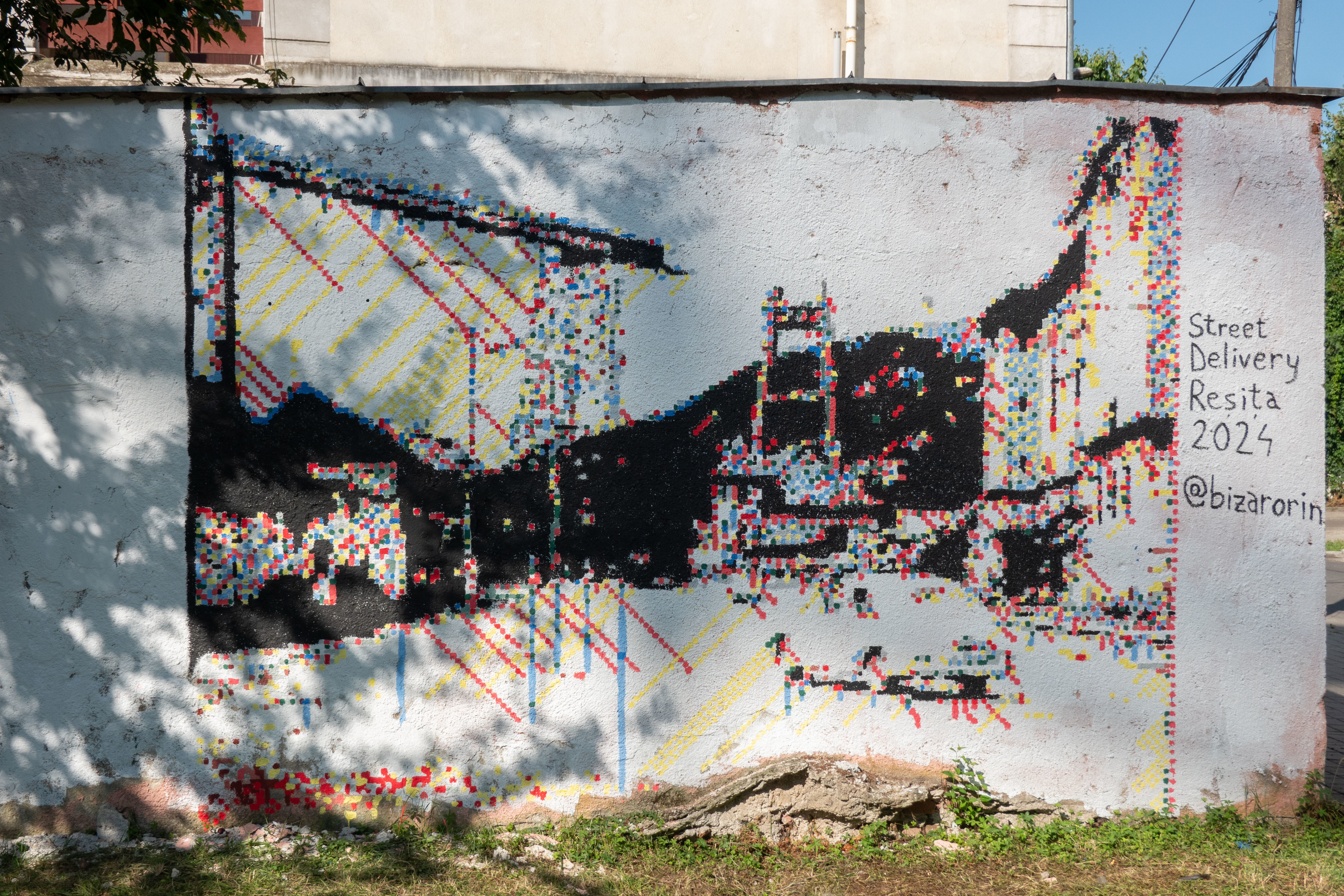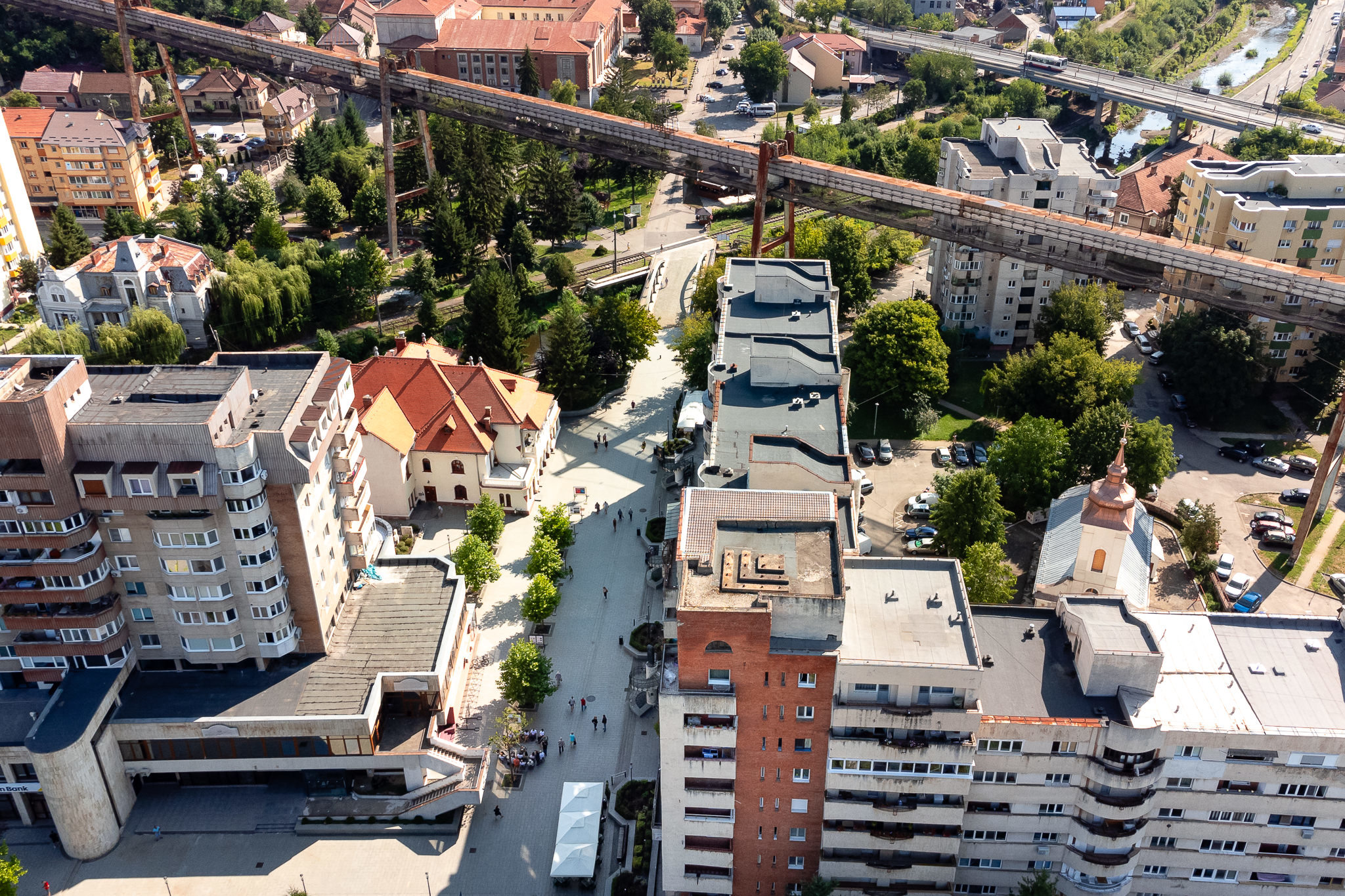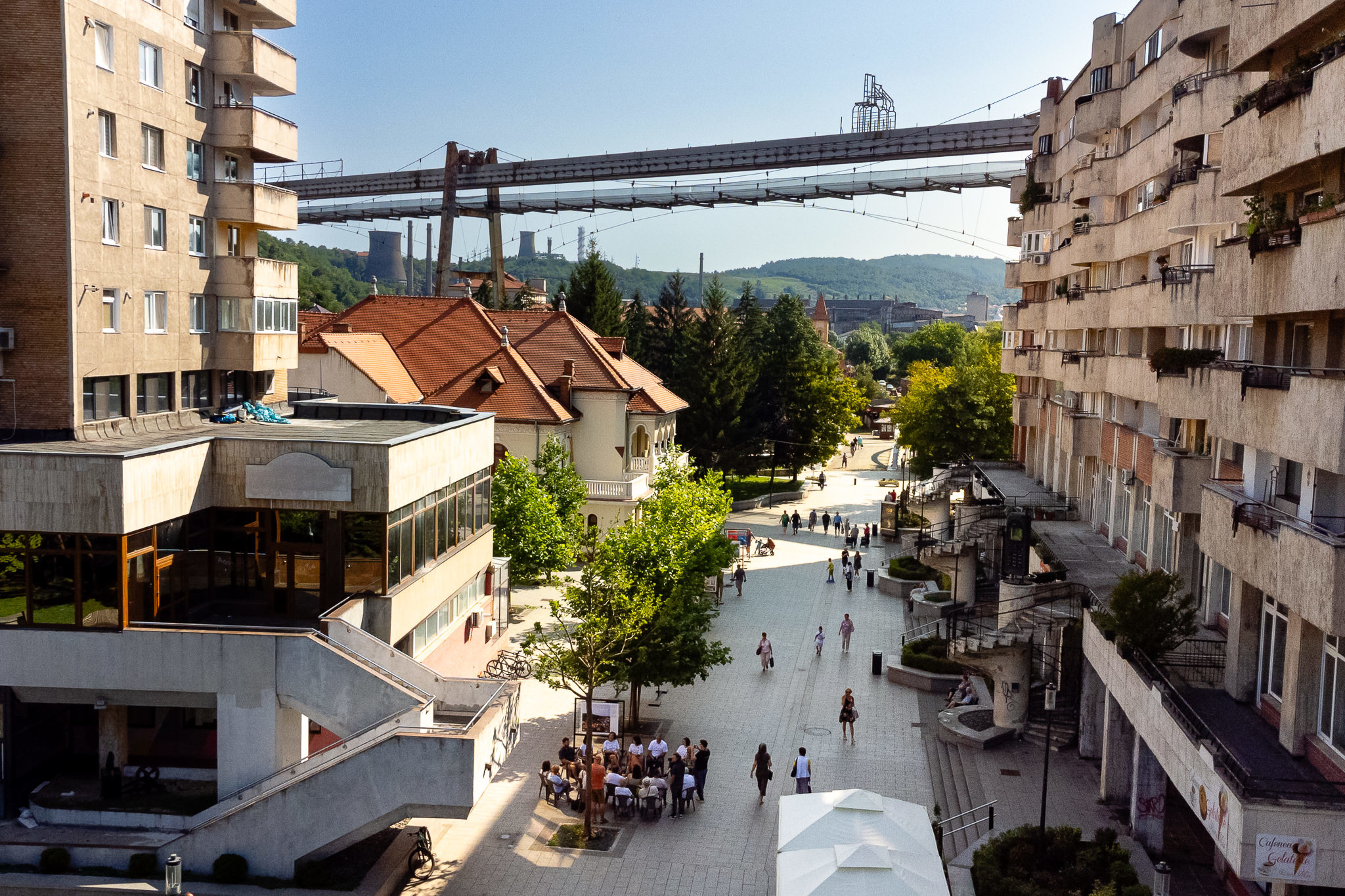
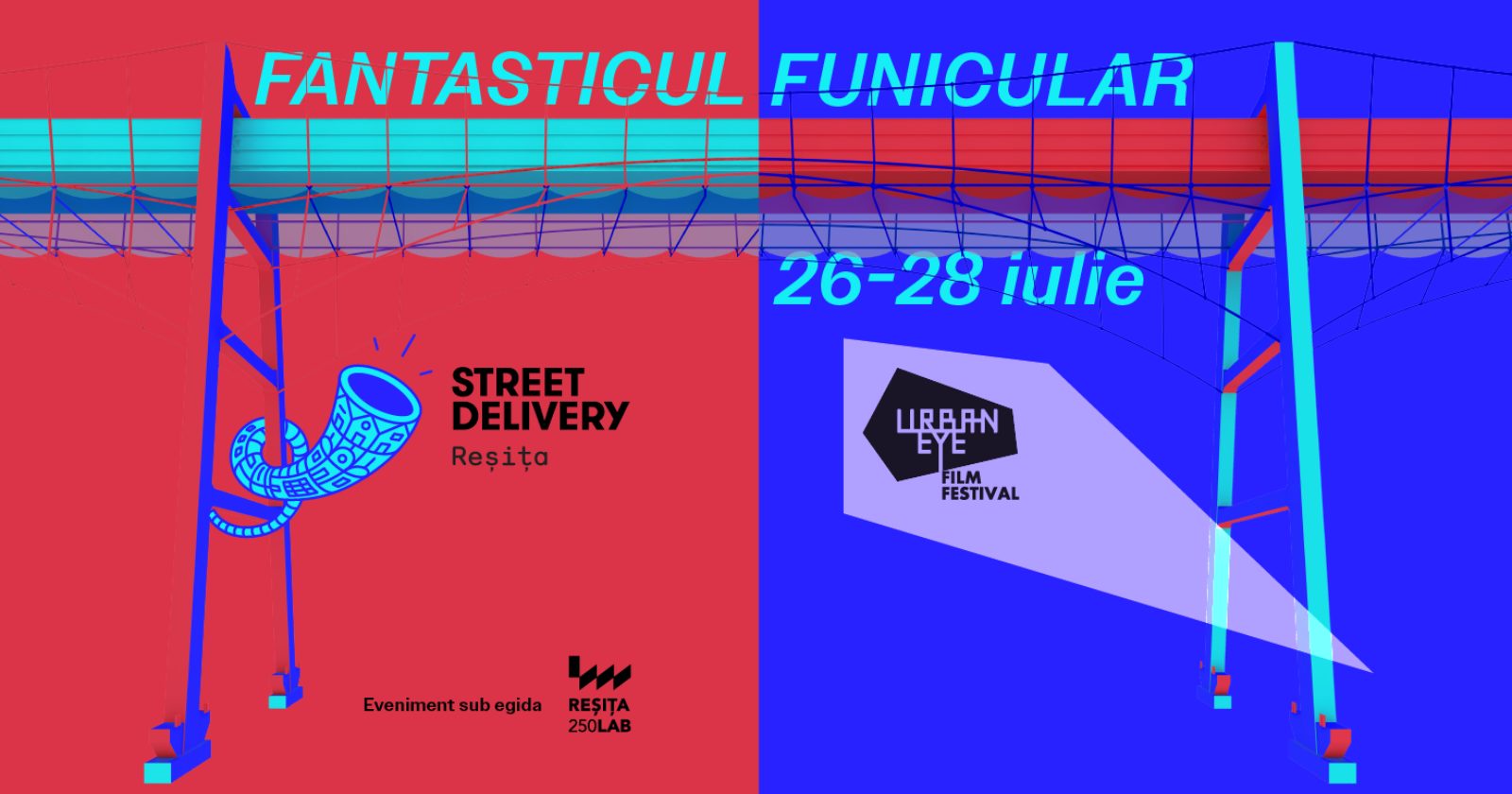
We greatly desired—indeed, we felt obligated—to honor the weighty presence and history of the funicular, before it entered a long conversion process for a new mobility axis that will cross the city, thus entering another stage of its existence. At the same time, we had long aimed to bring the conversation about the much broader transformation the city is undergoing closer to its residents, and this meant several things.
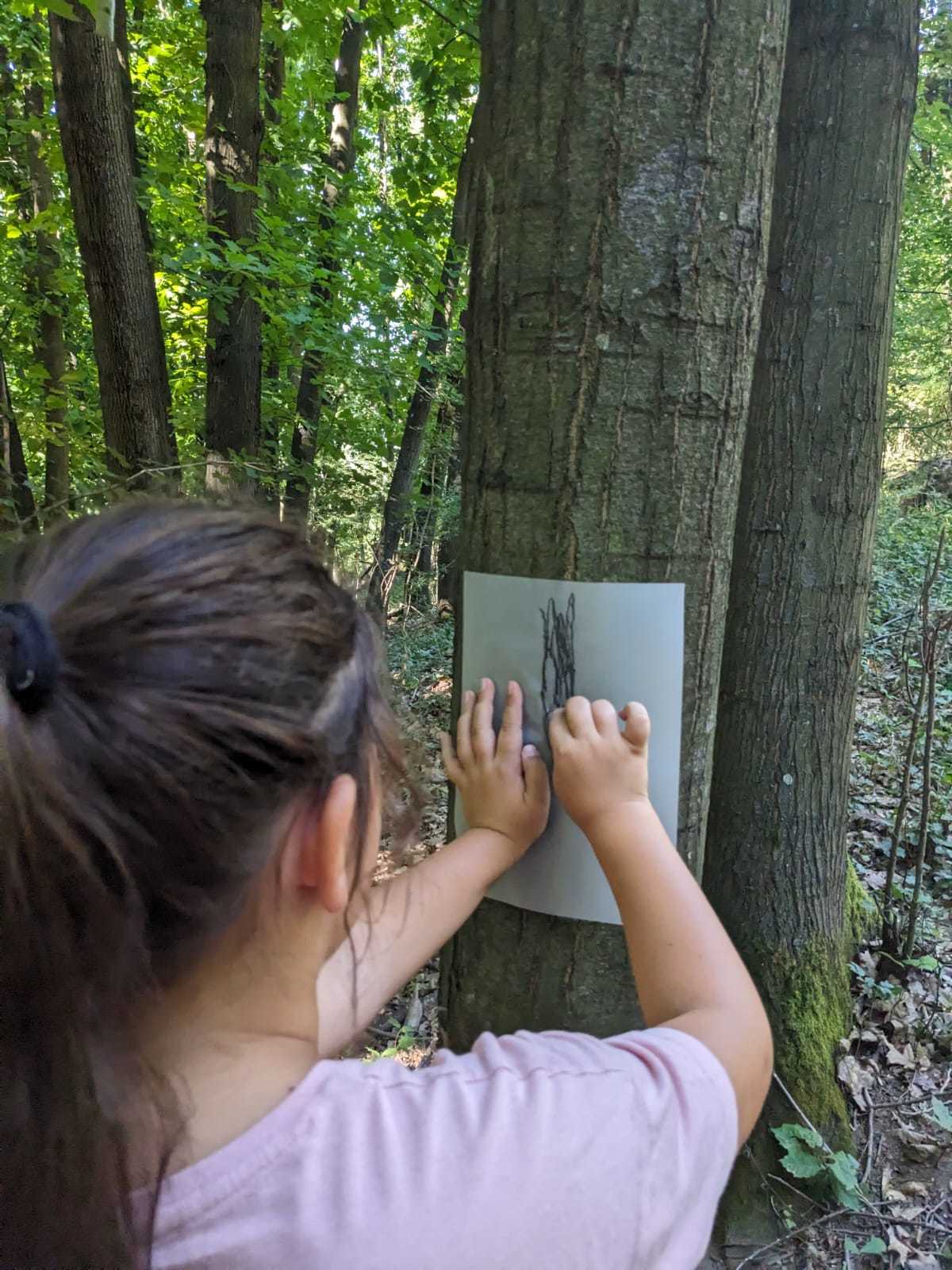
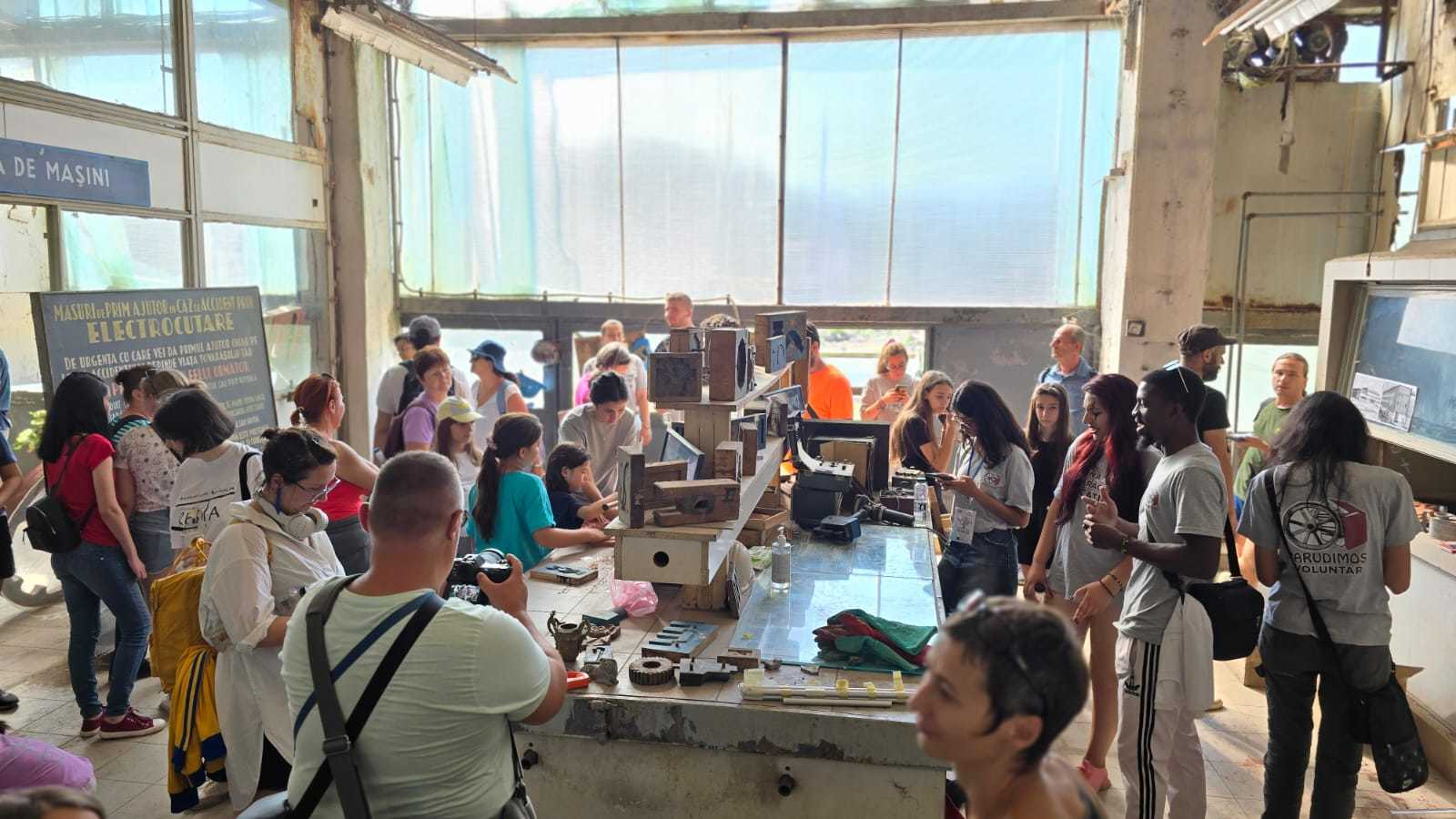
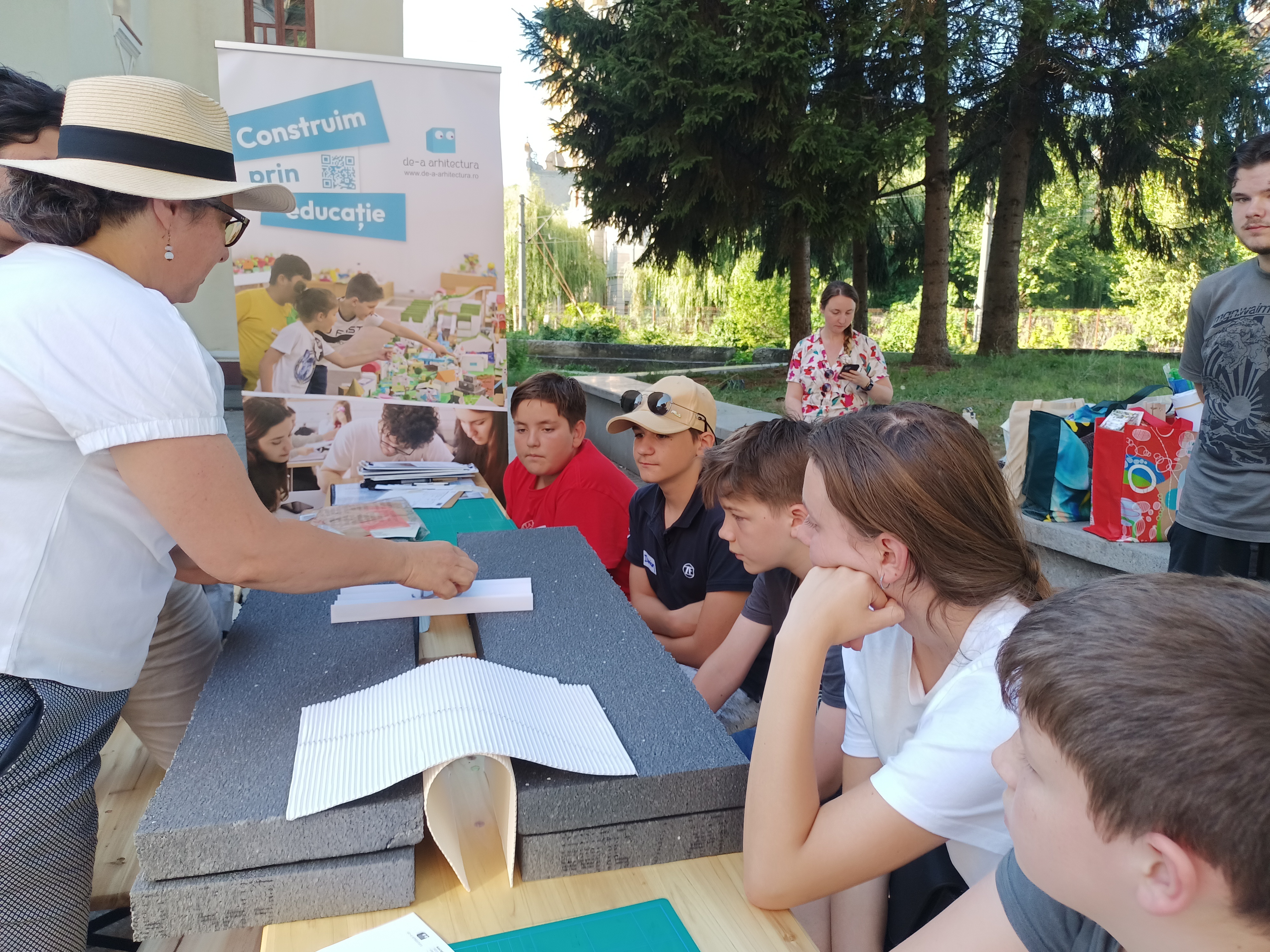
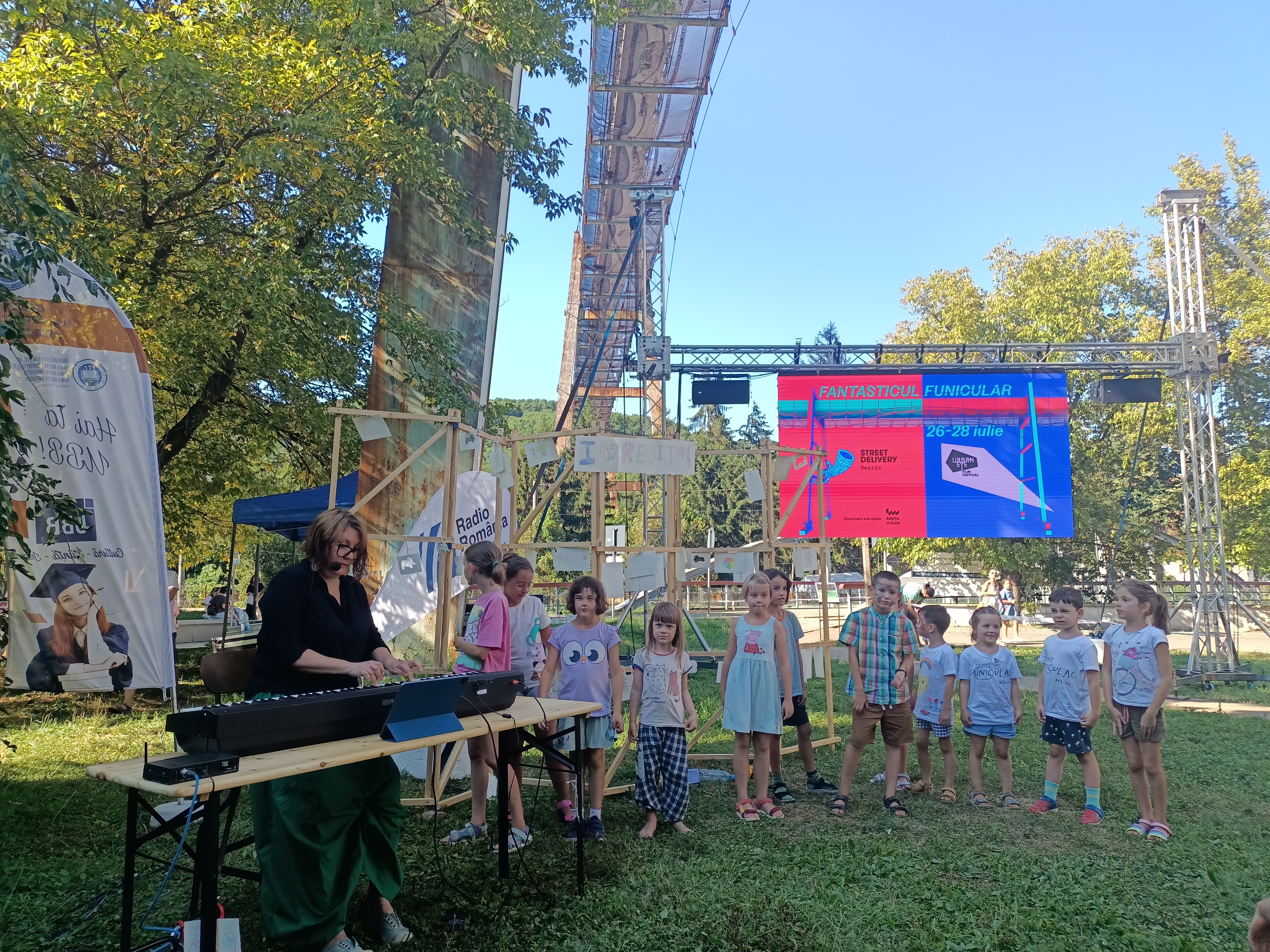
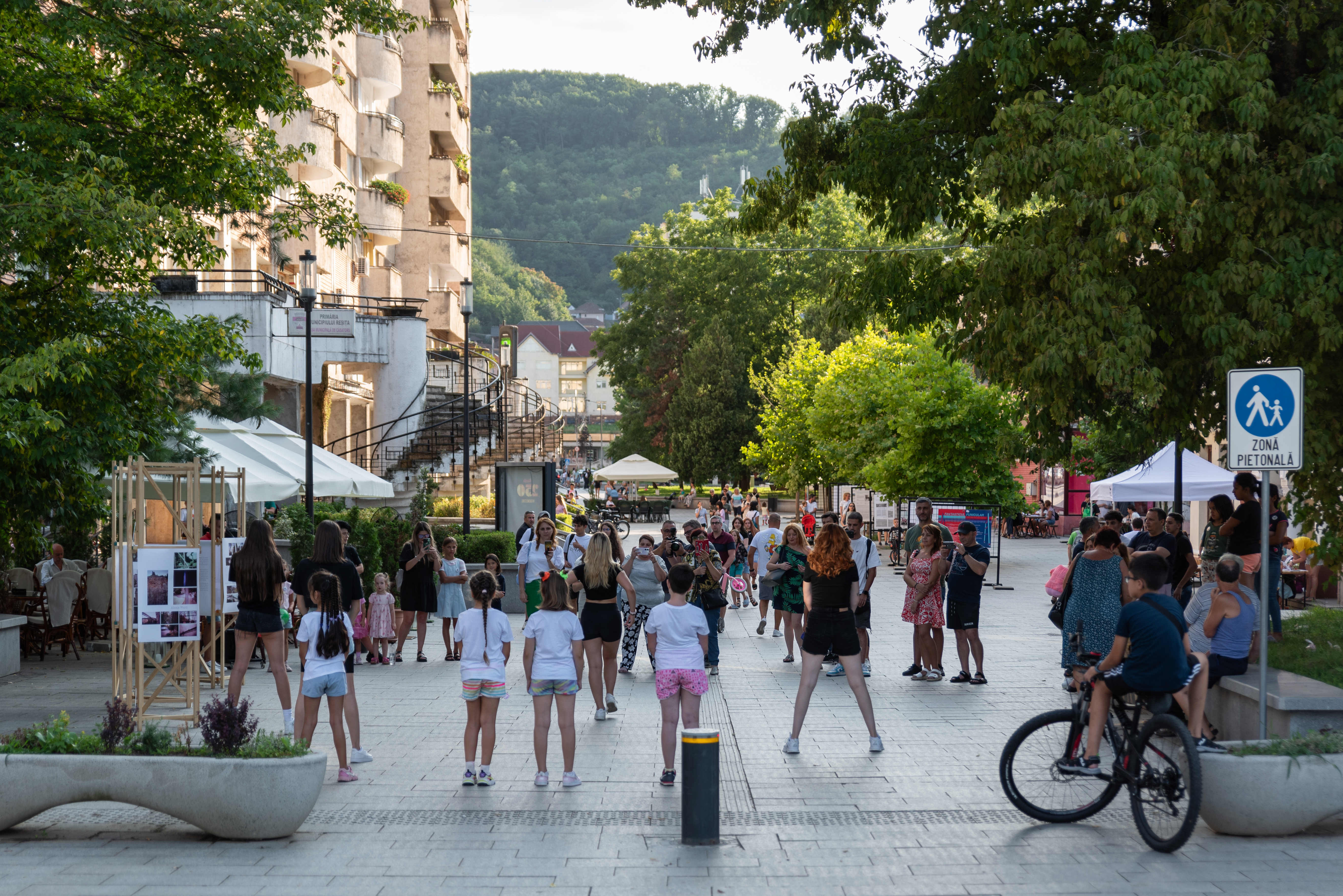
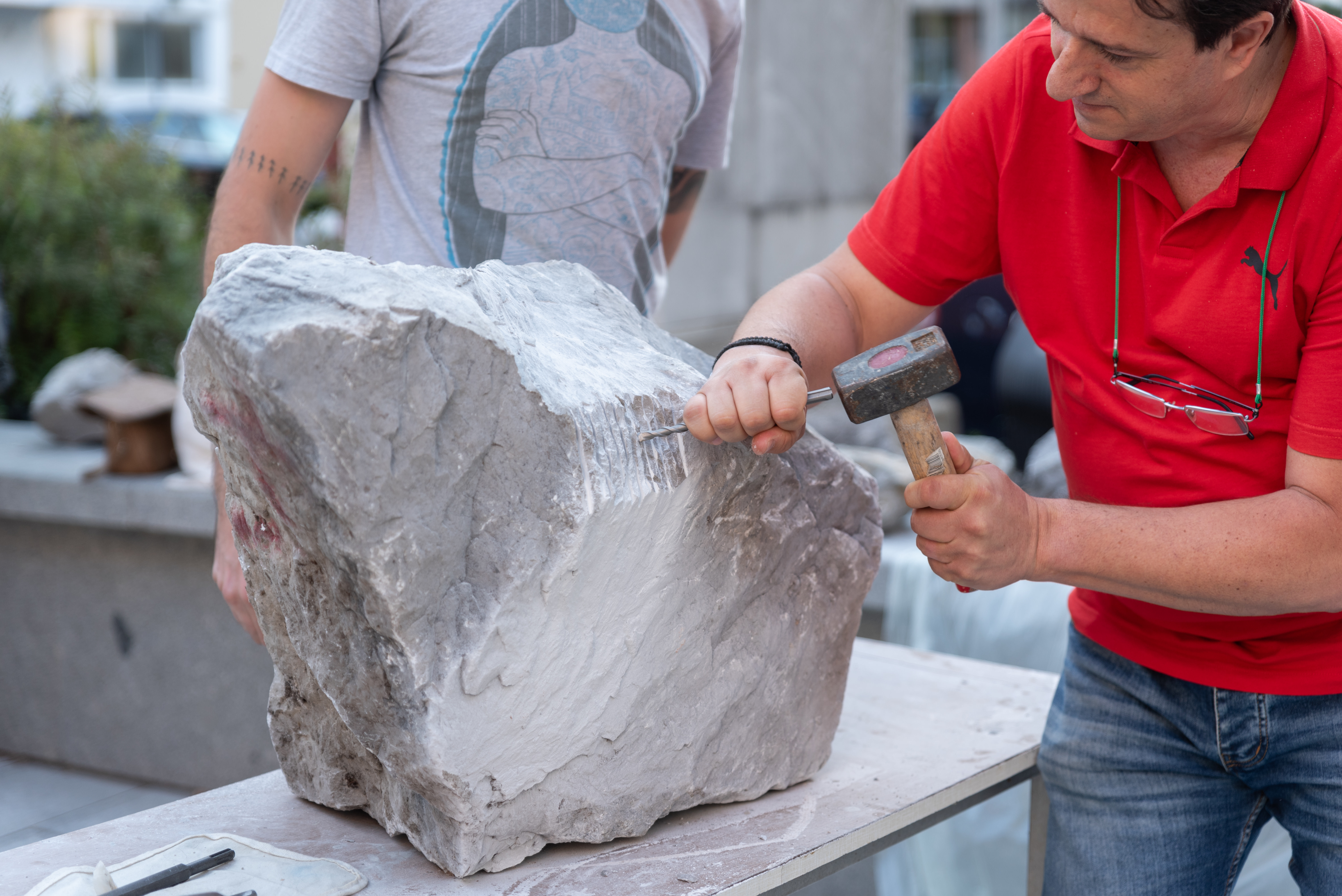
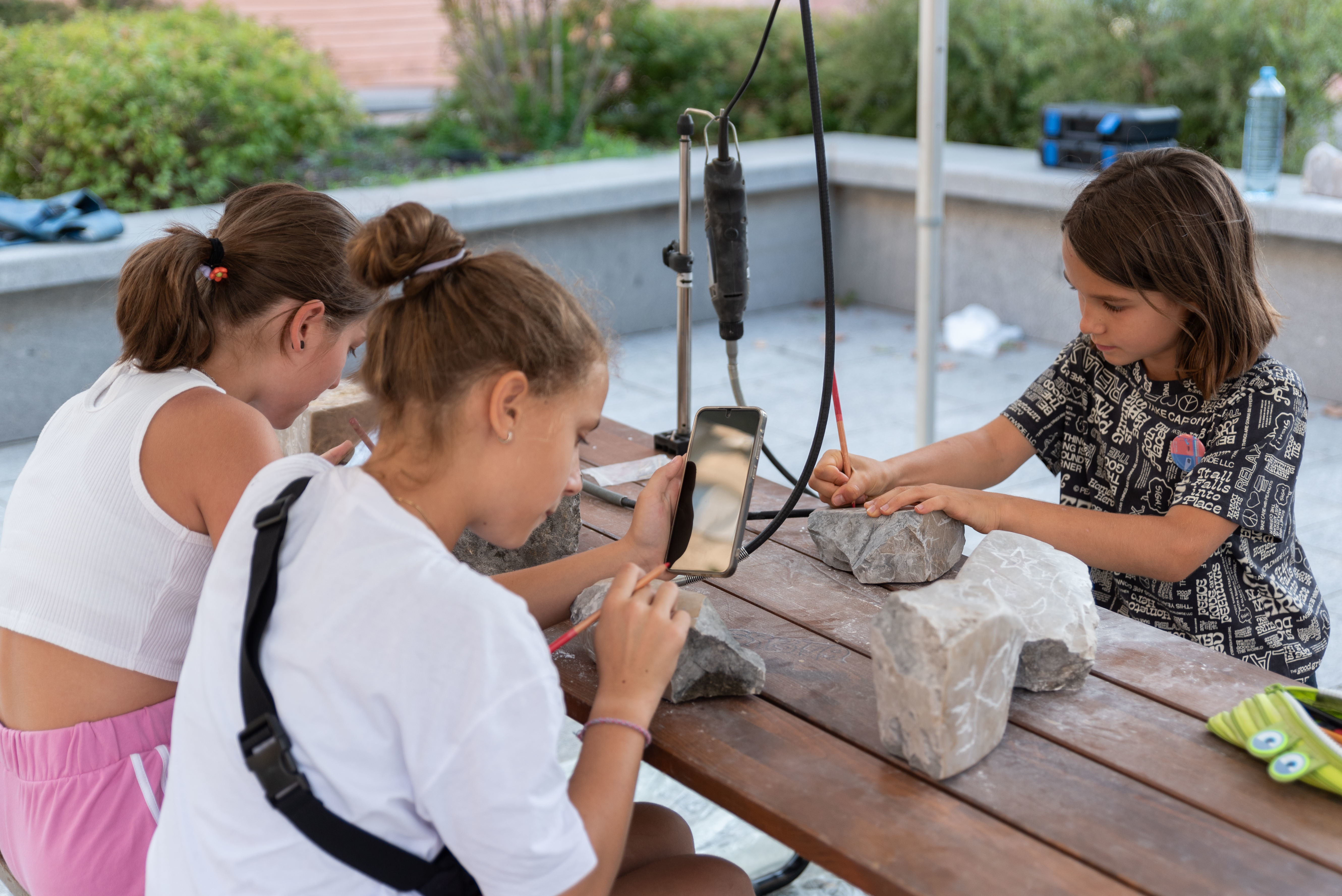
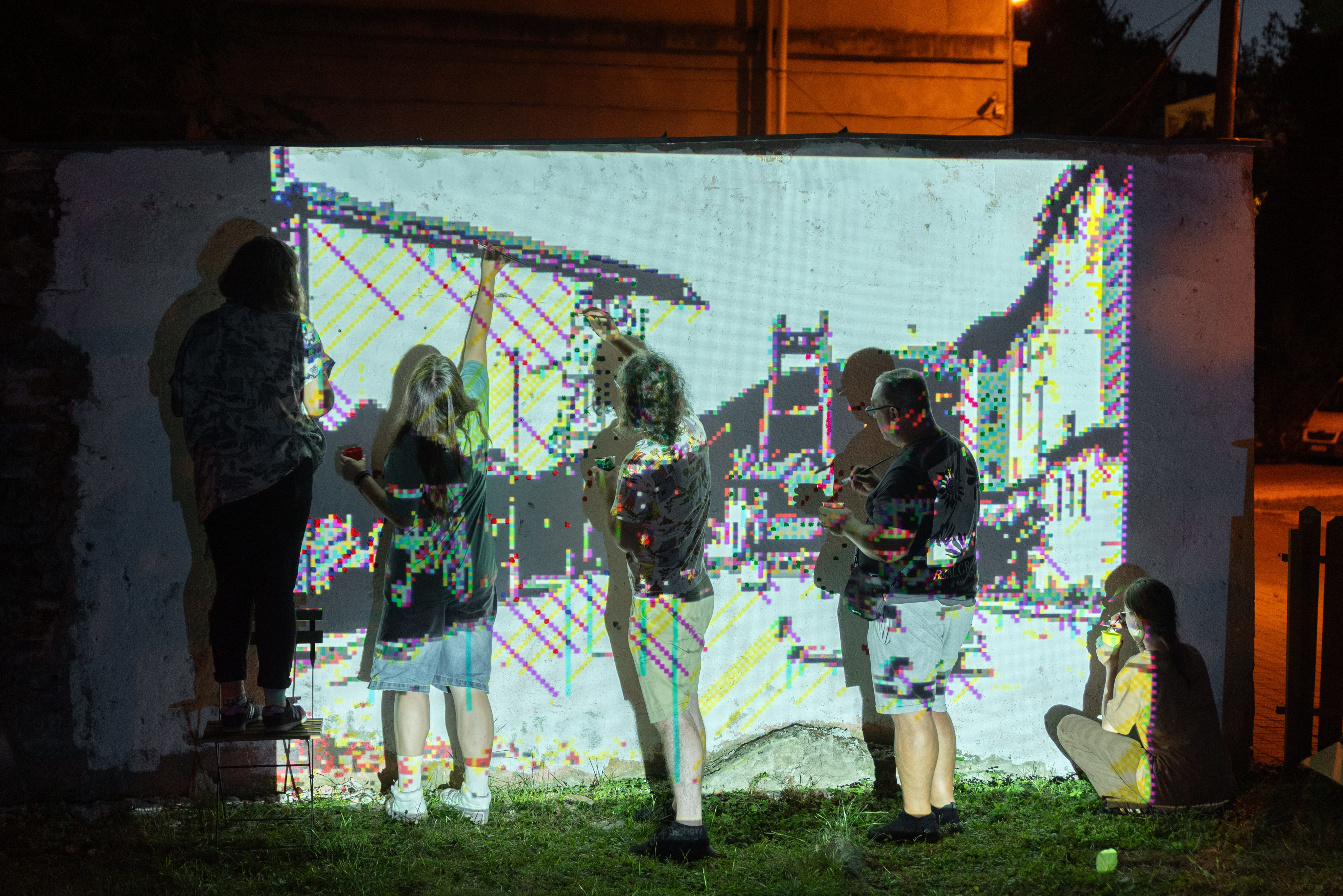
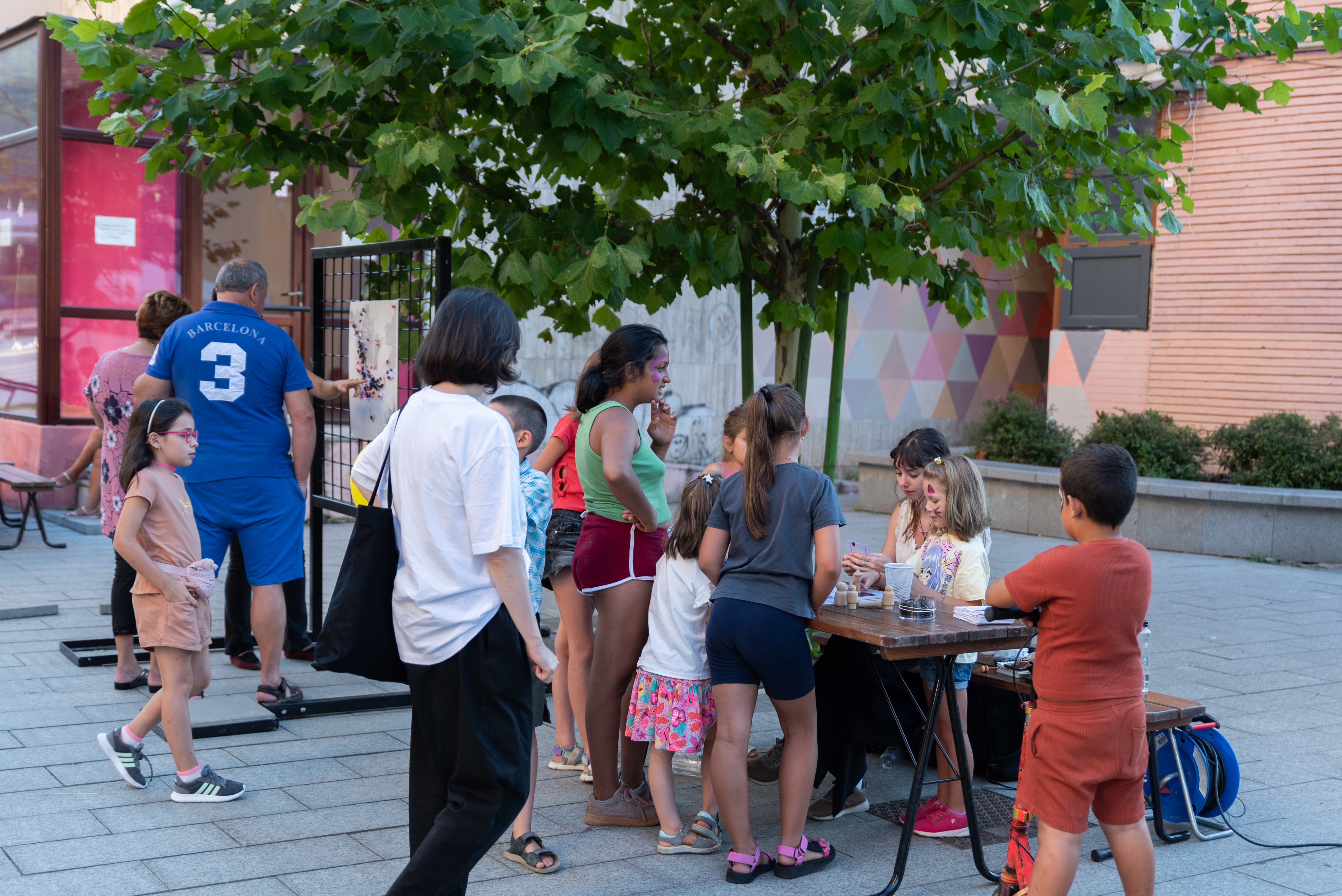
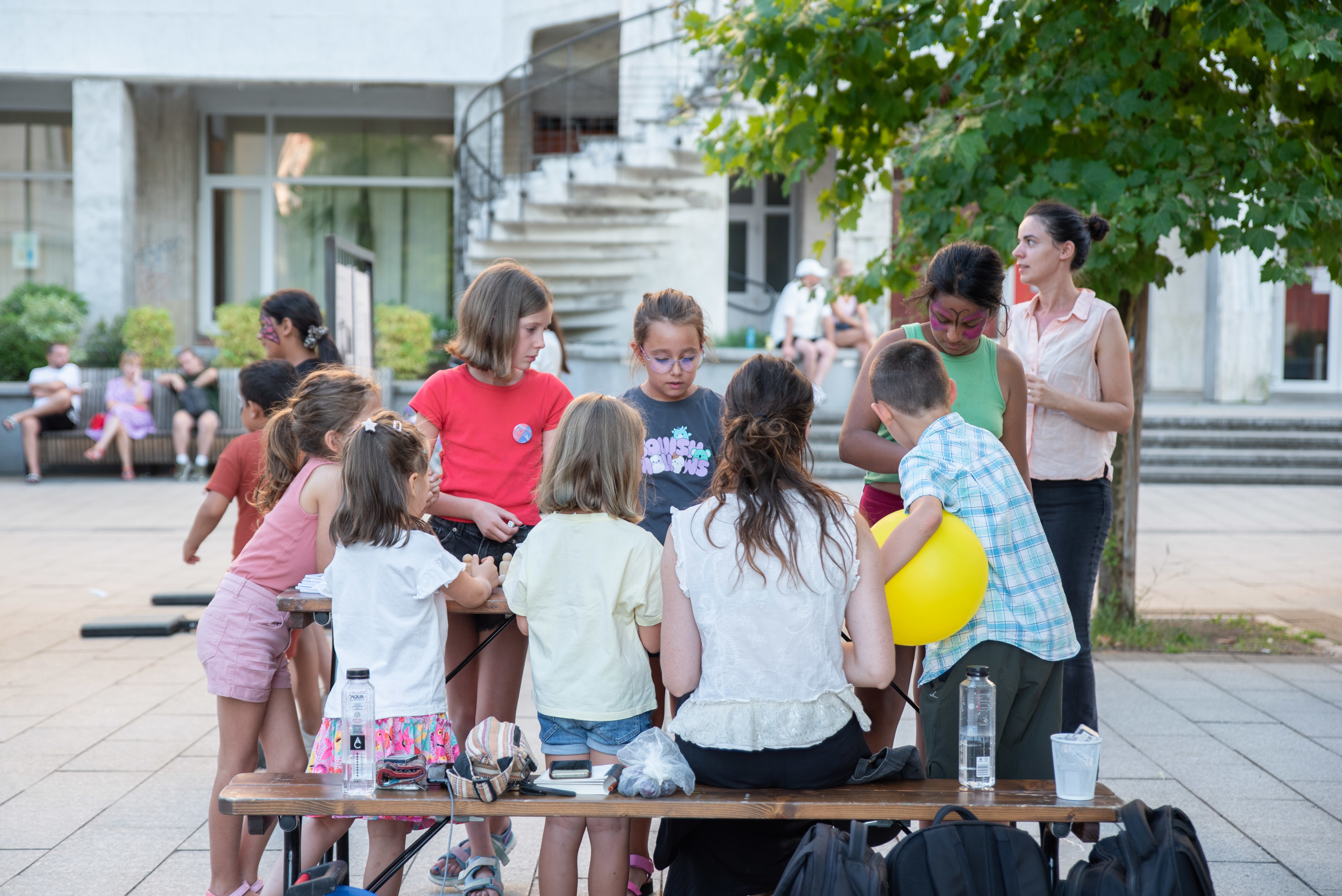
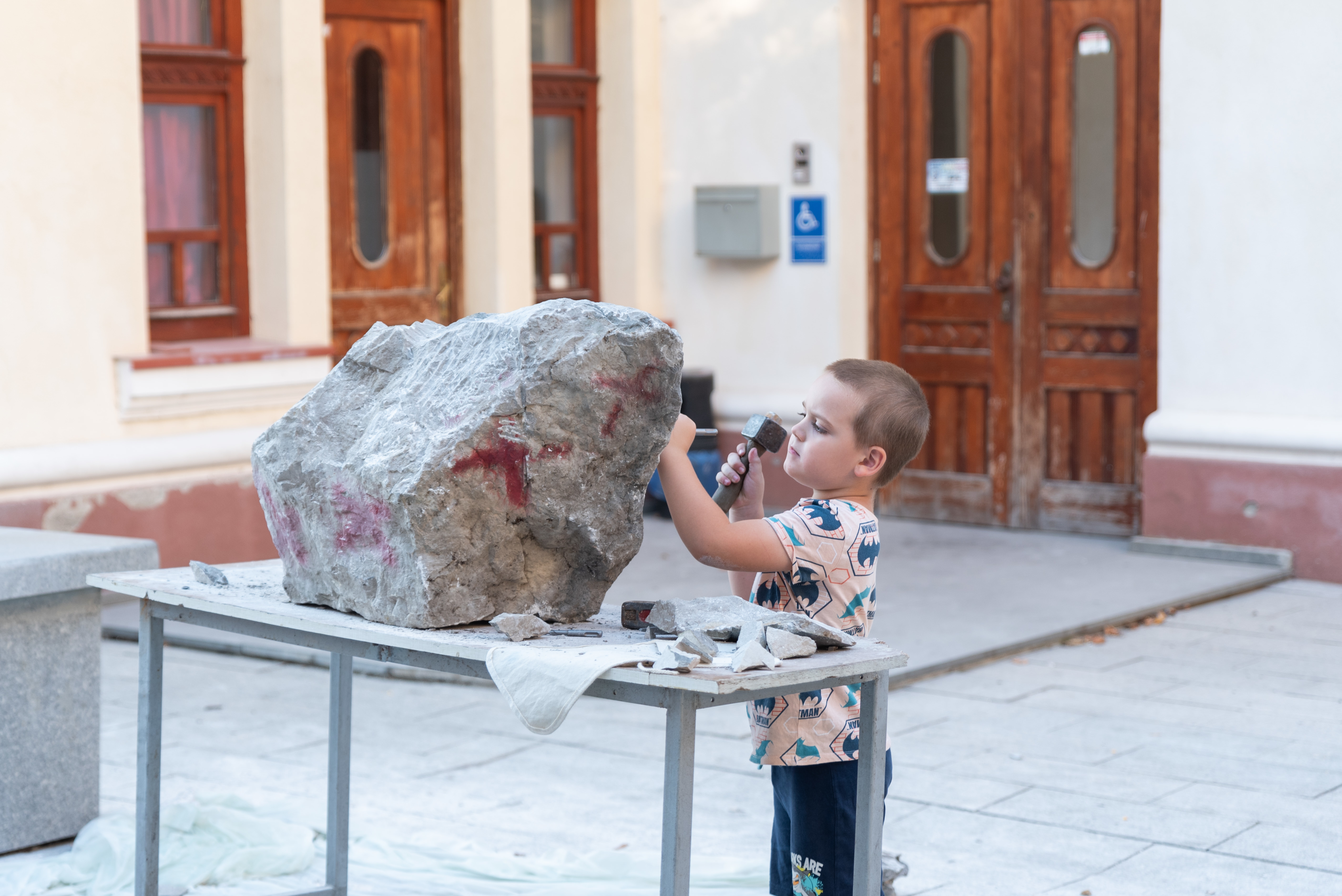
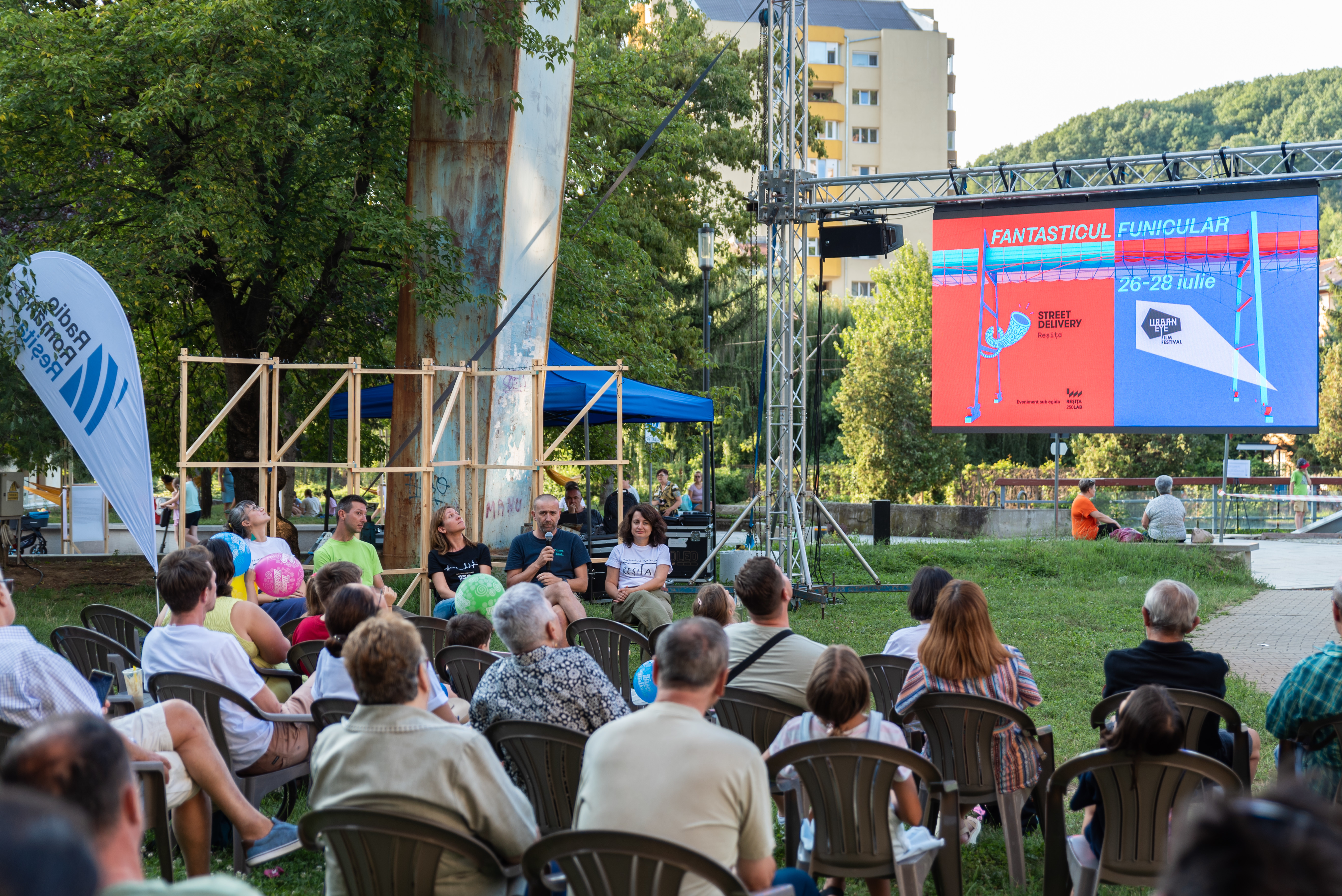
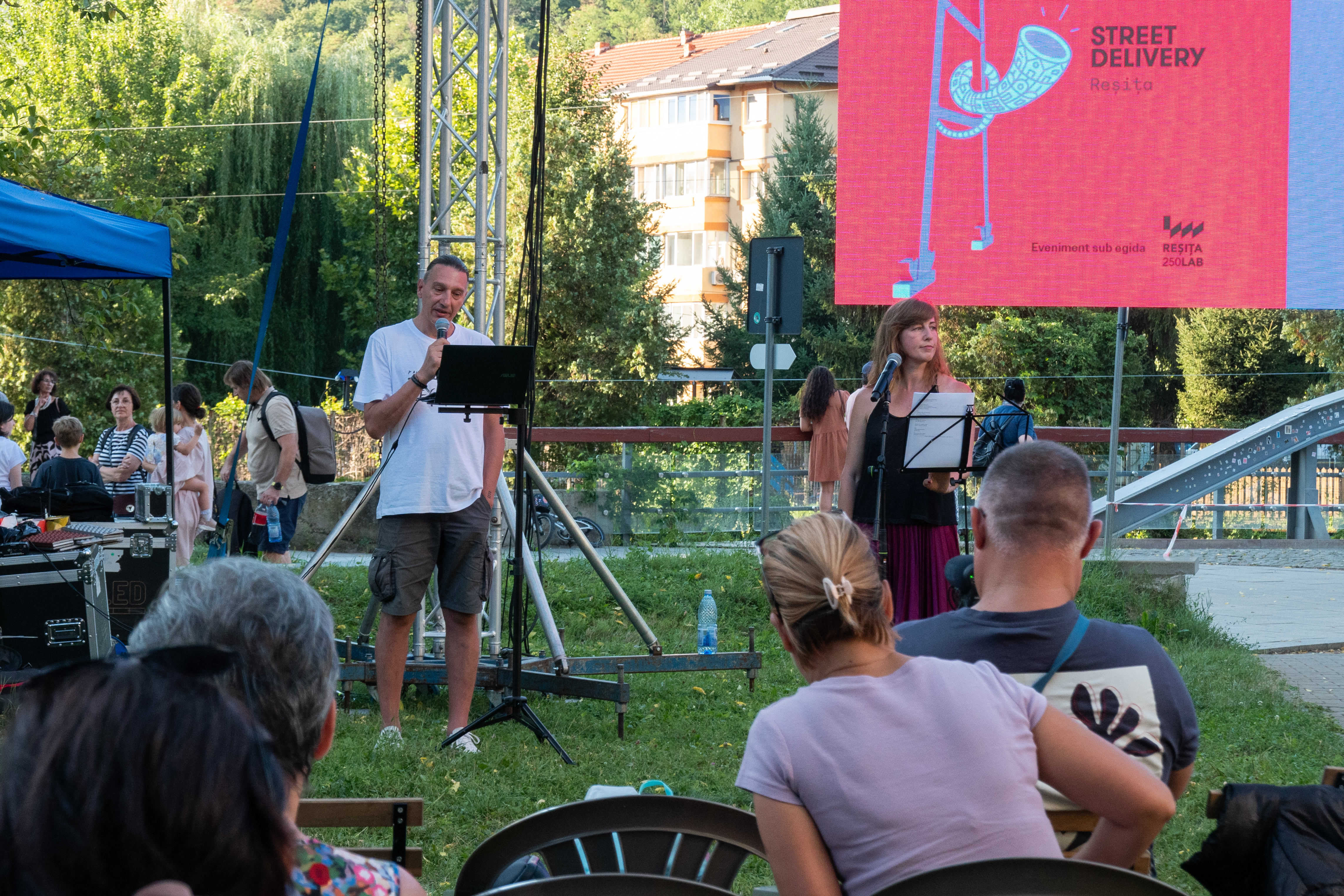
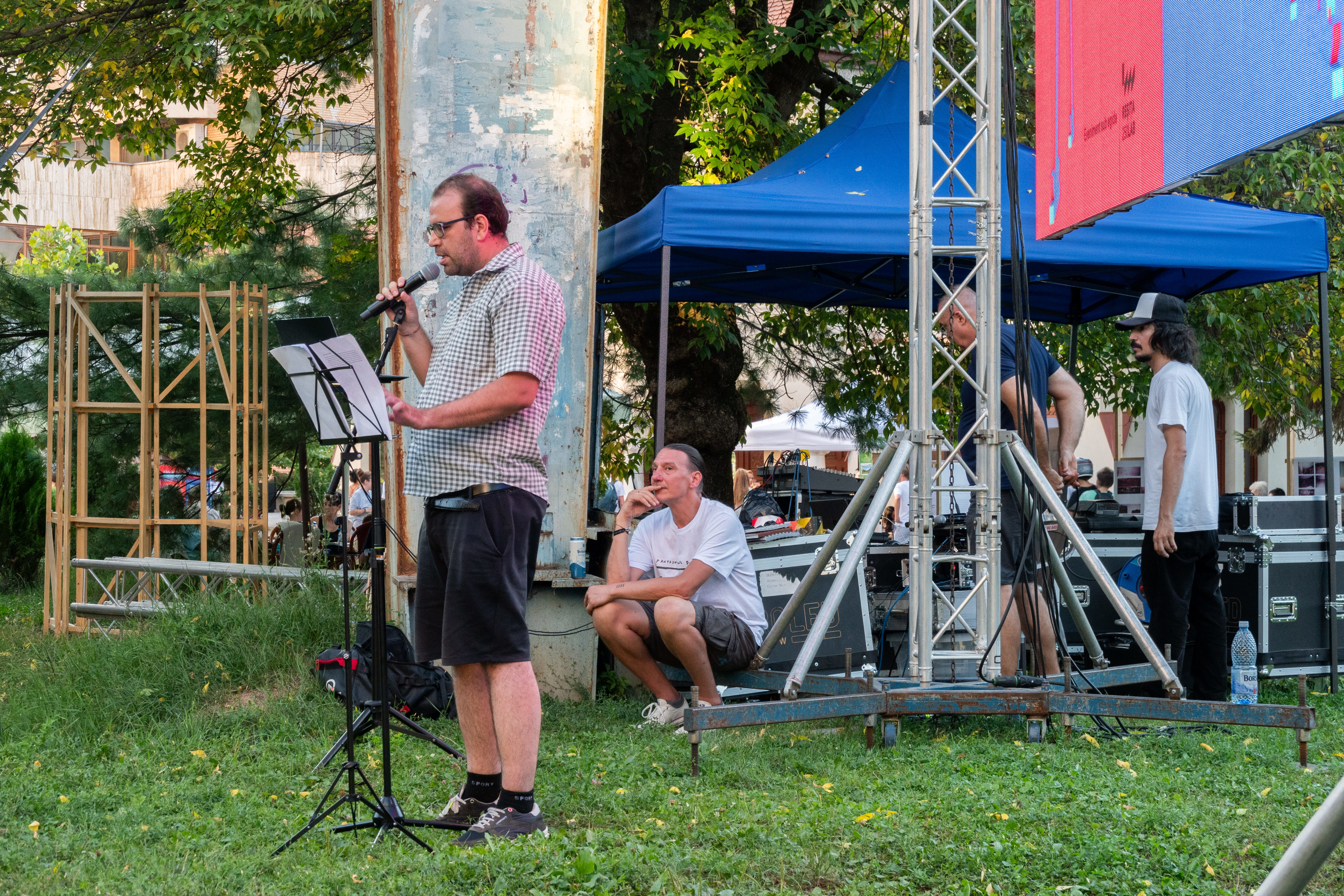
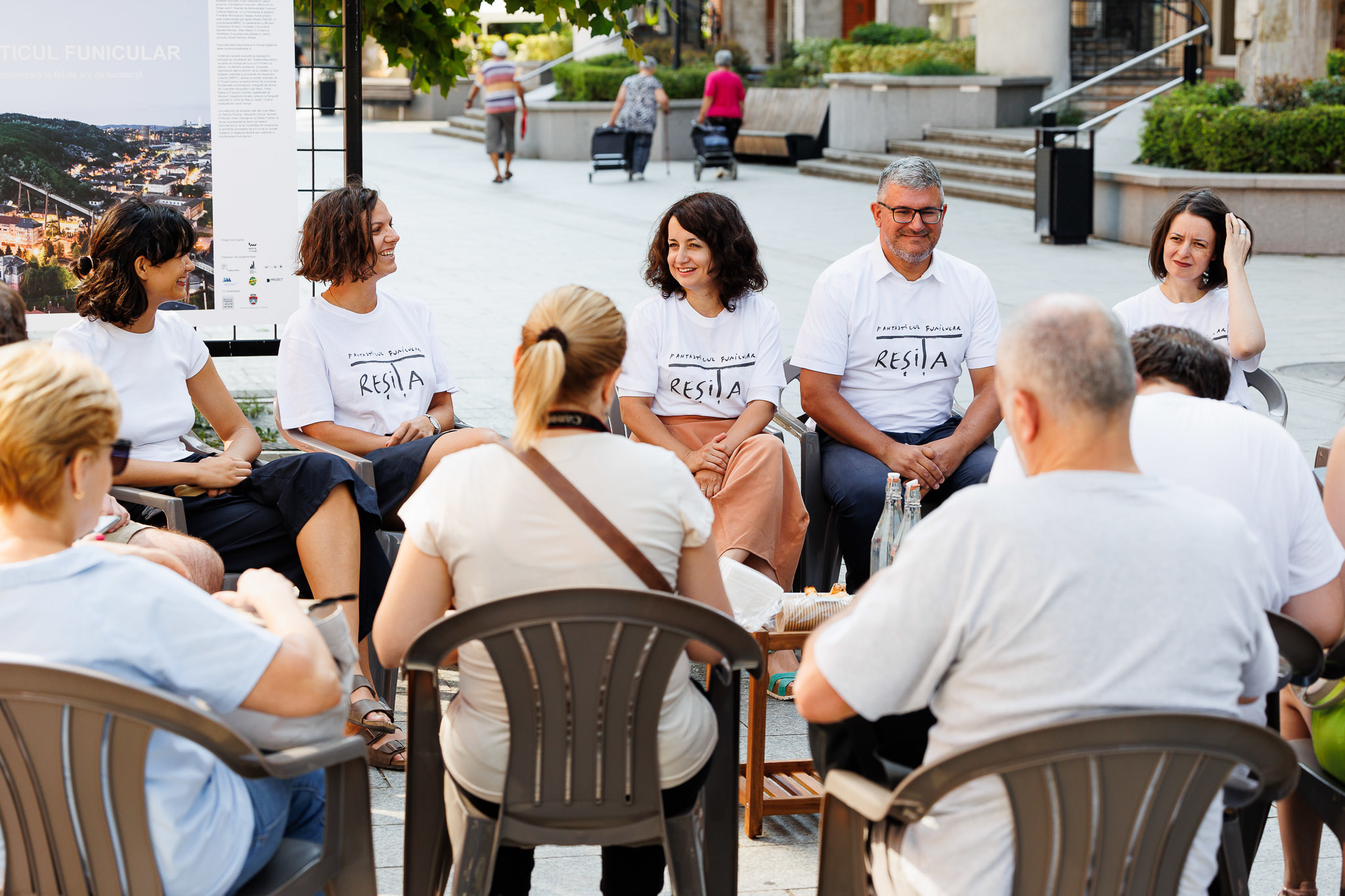
Firstly, in the most literal sense, to actually be among people, in public spaces. Public debates, creative learning and play workshops, film screenings, dance, poetry, and theater performances, spontaneous interventions in public spaces, exhibitions, and other impromptu gatherings intersected with the paths and schedules of thousands of Reșița residents; simultaneously, under the Funicular, a stone's throw from Cărășana Park, on the banks of the Bârzava river, and for some, even in front of their apartment building or a chair's distance from their daily frequented terrace.
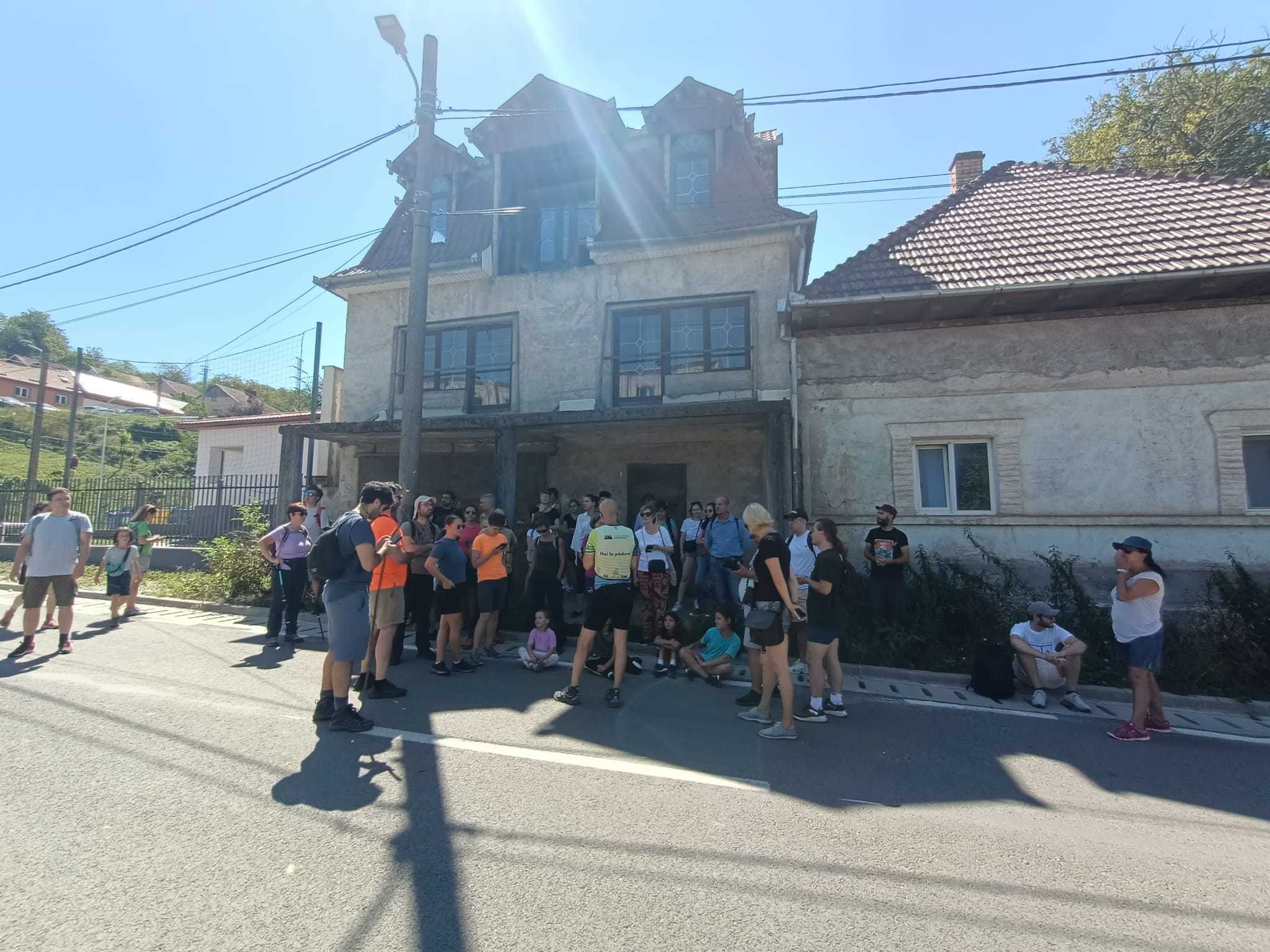
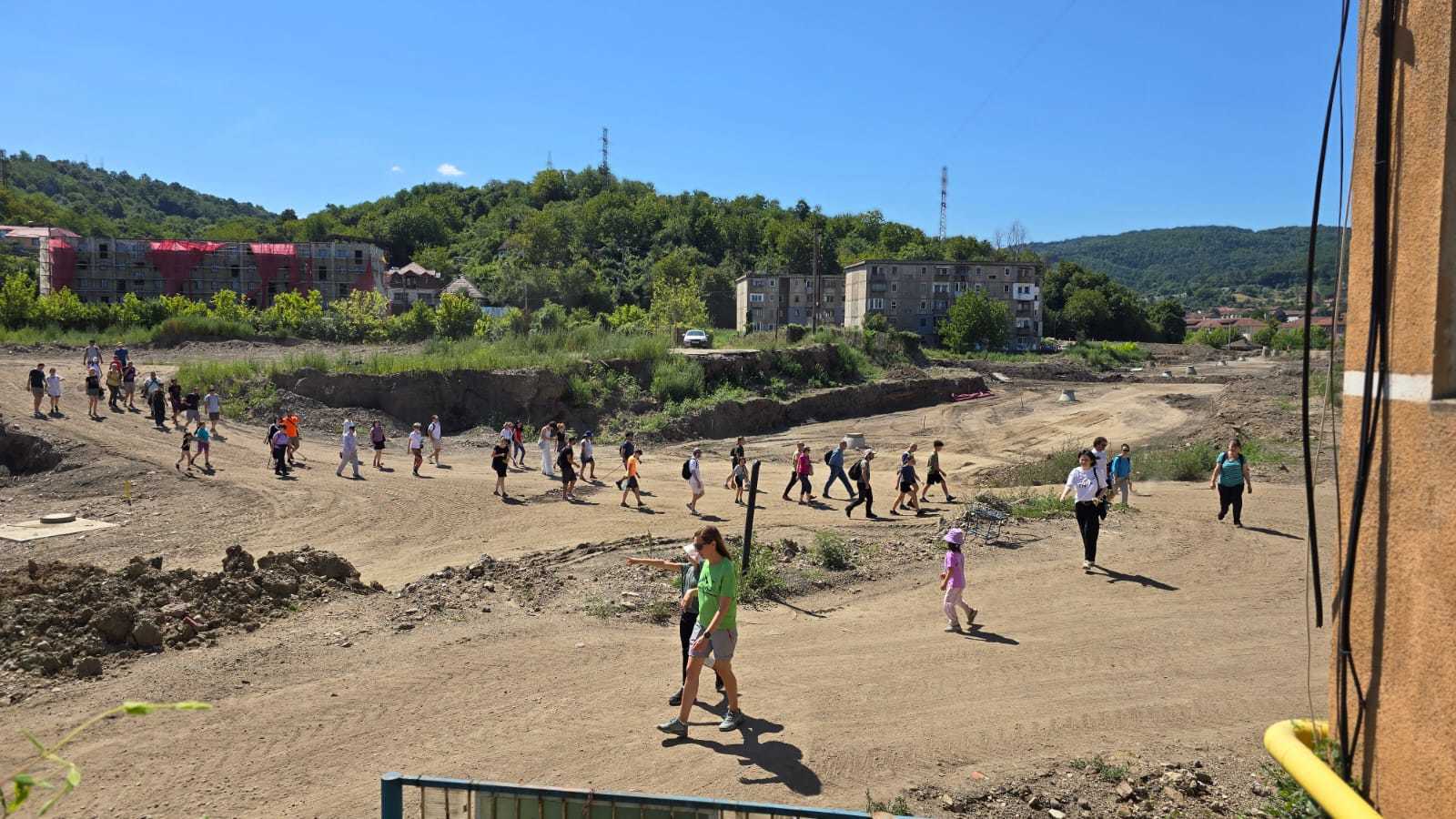
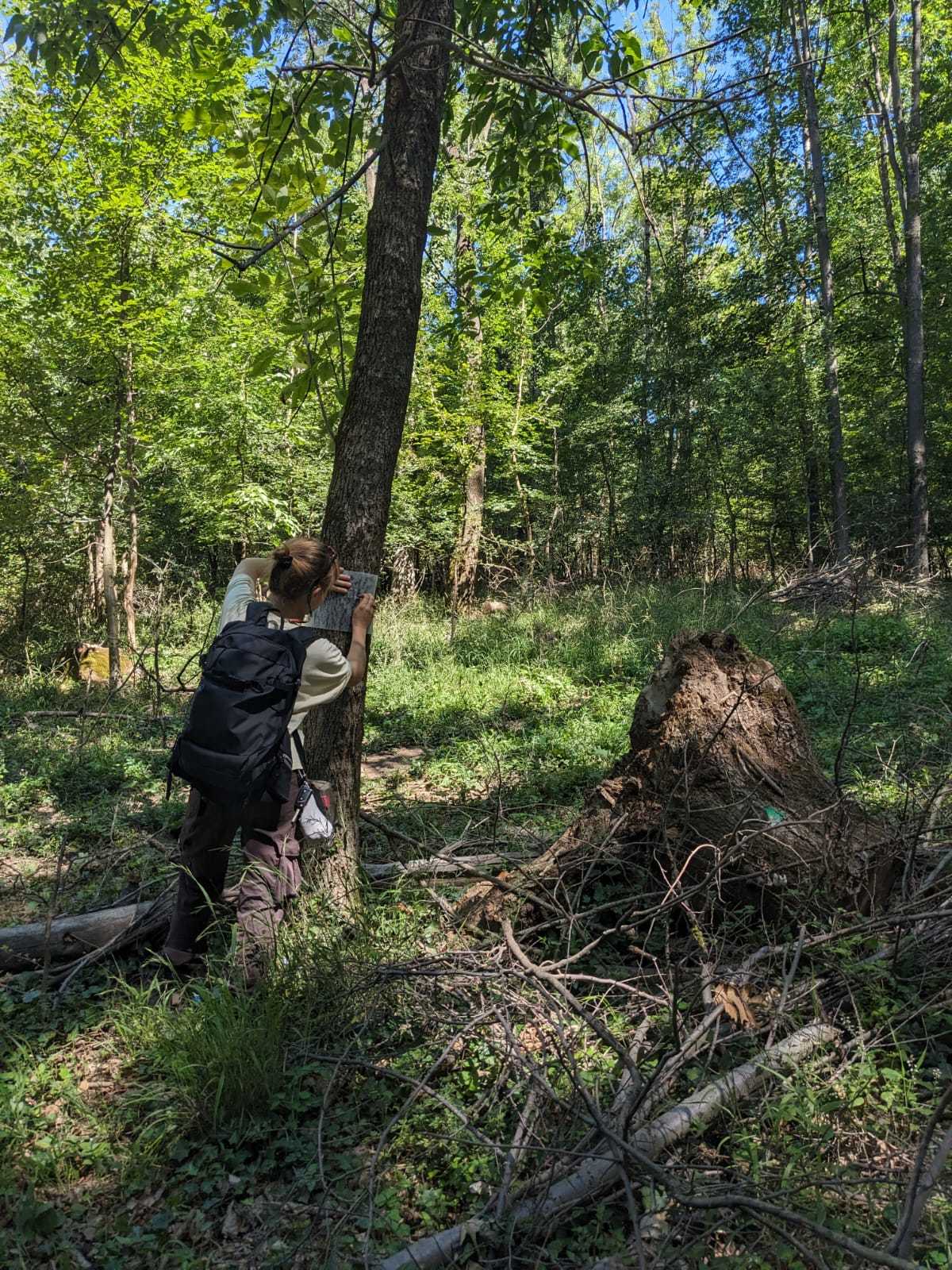
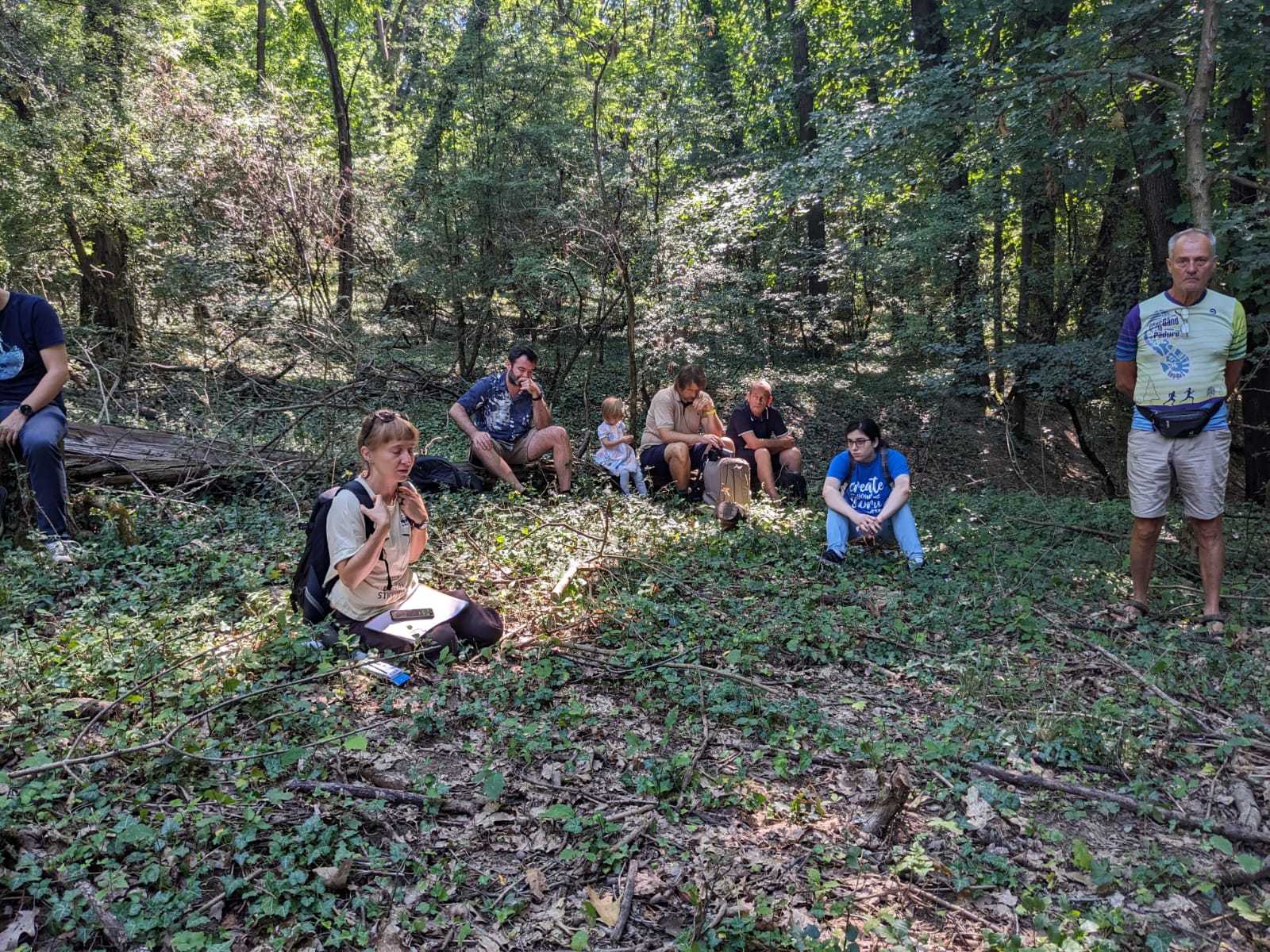
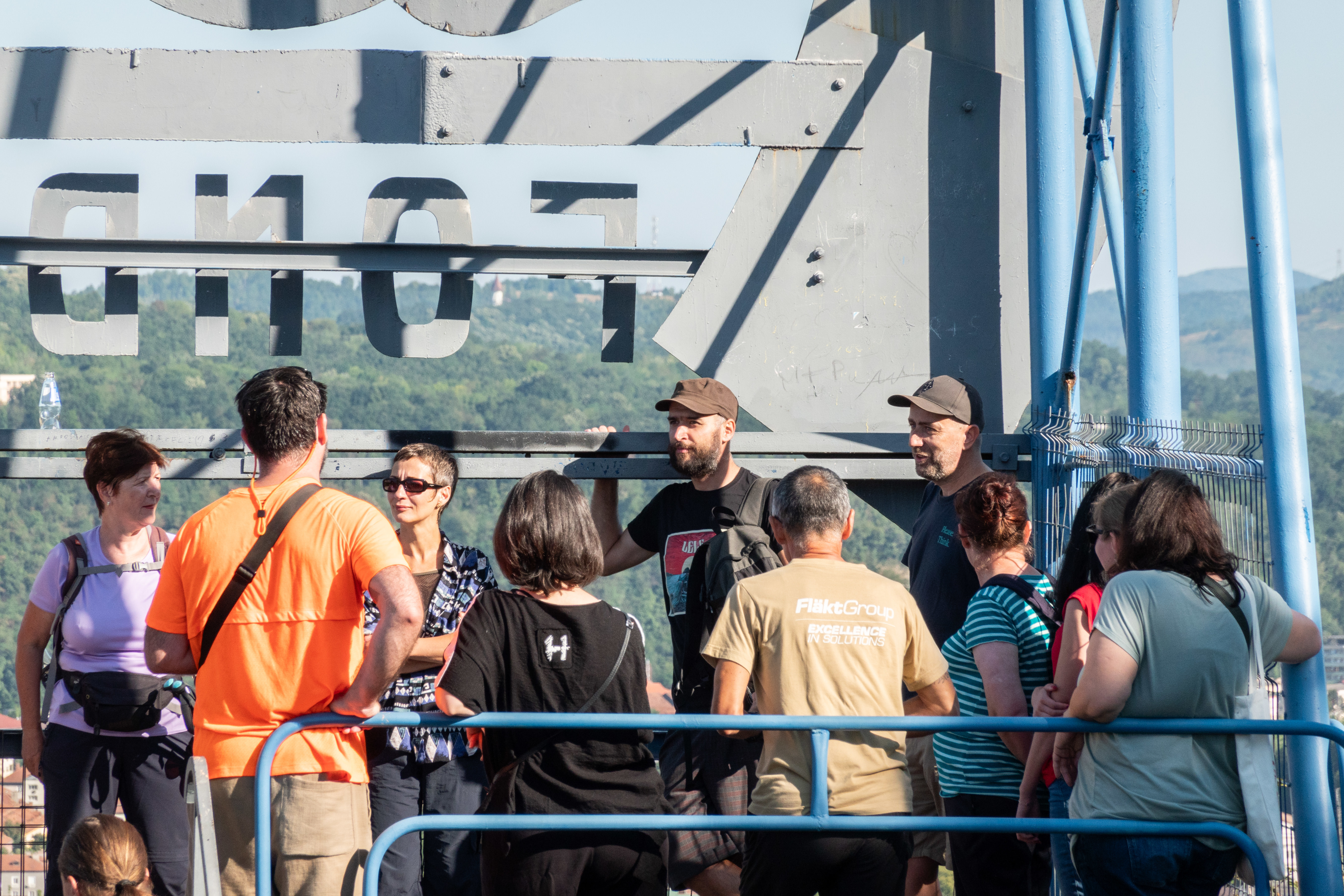
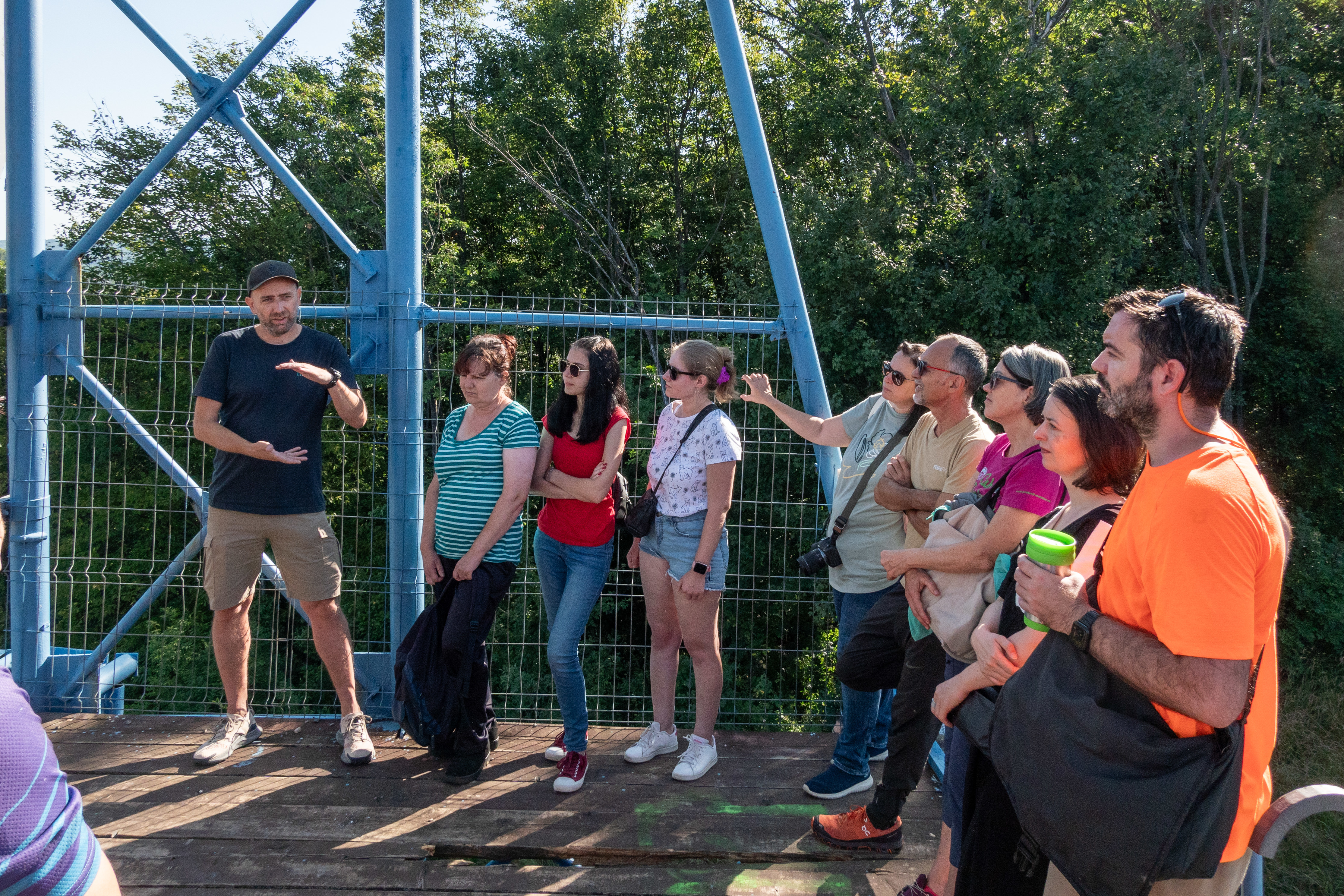
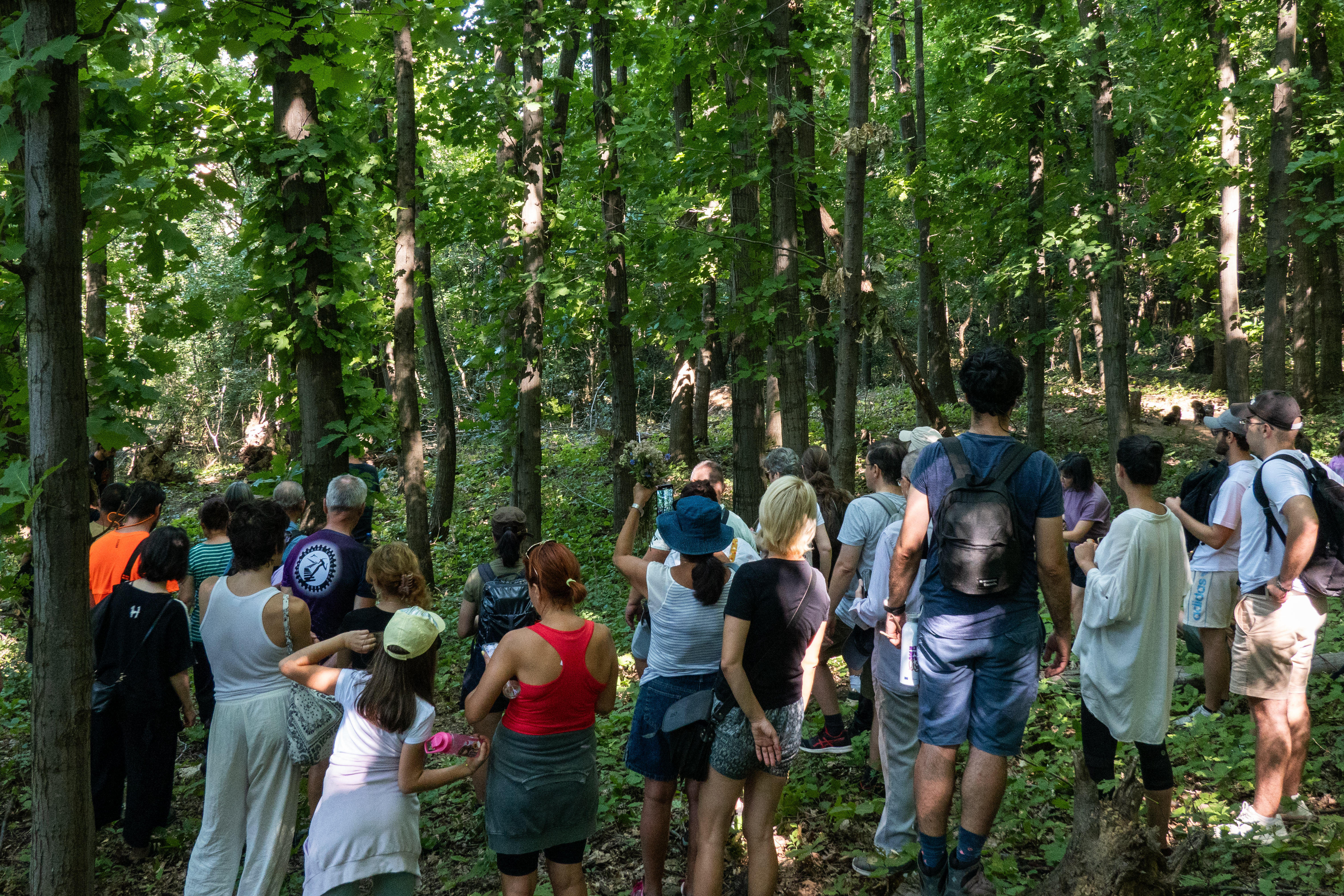
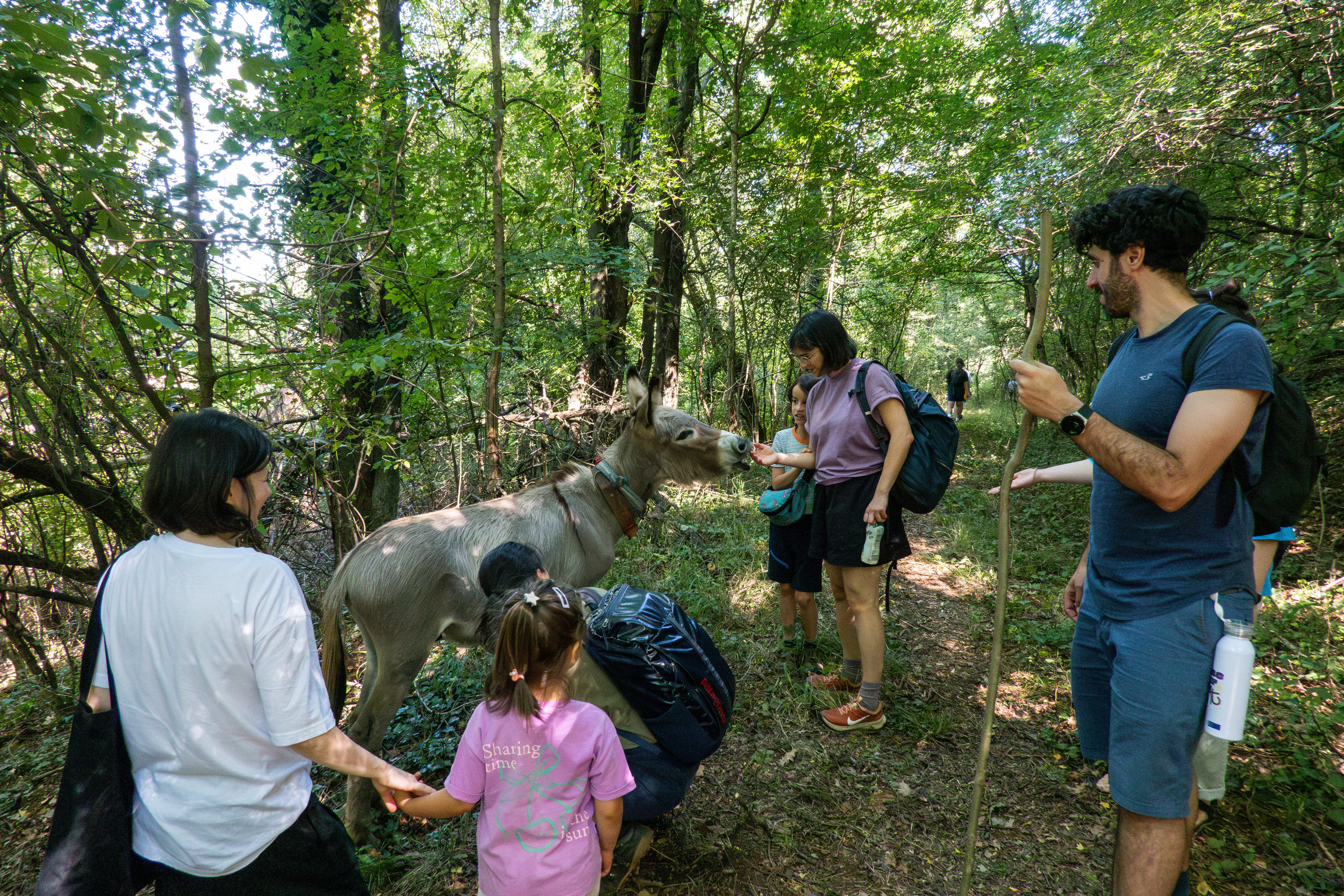
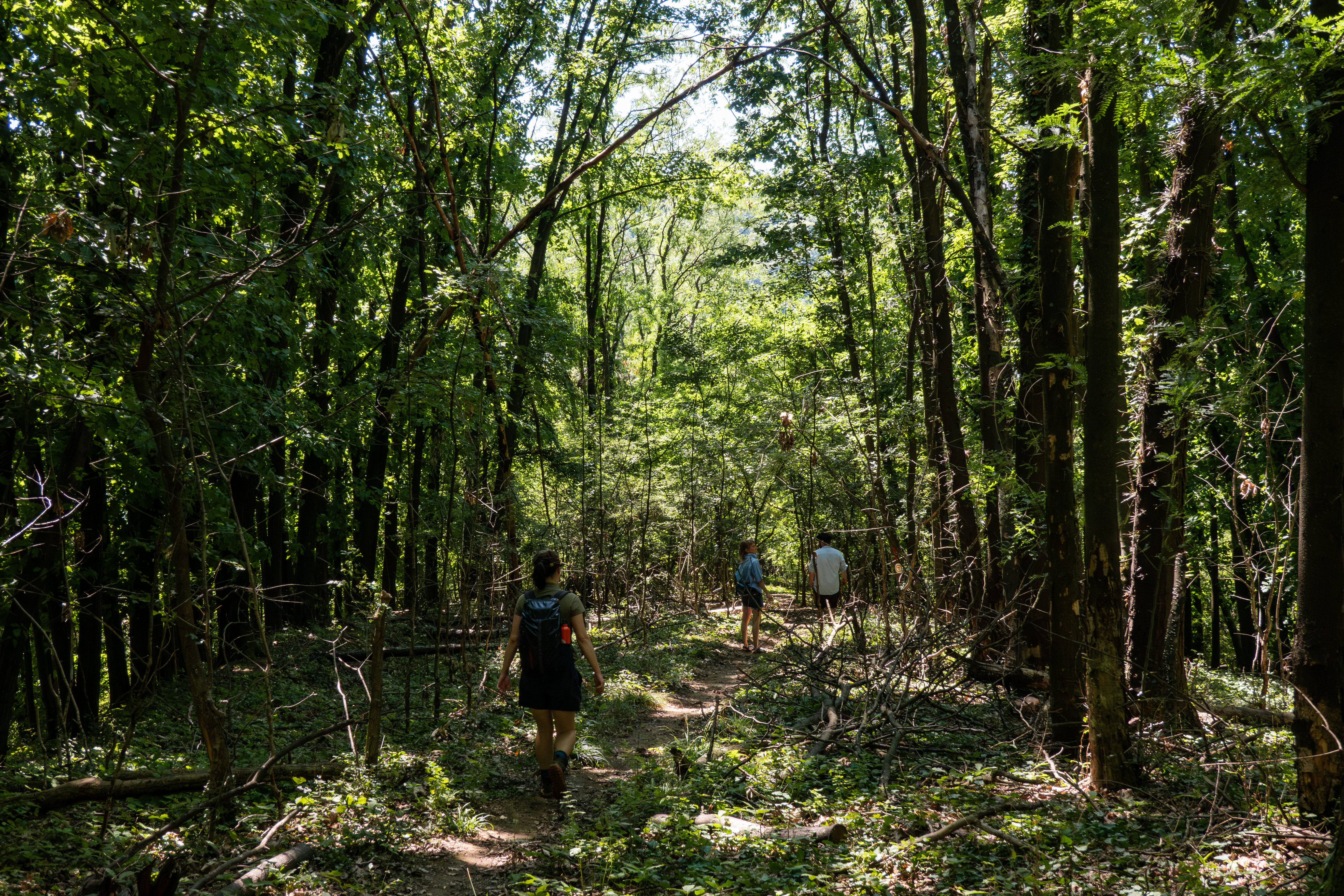
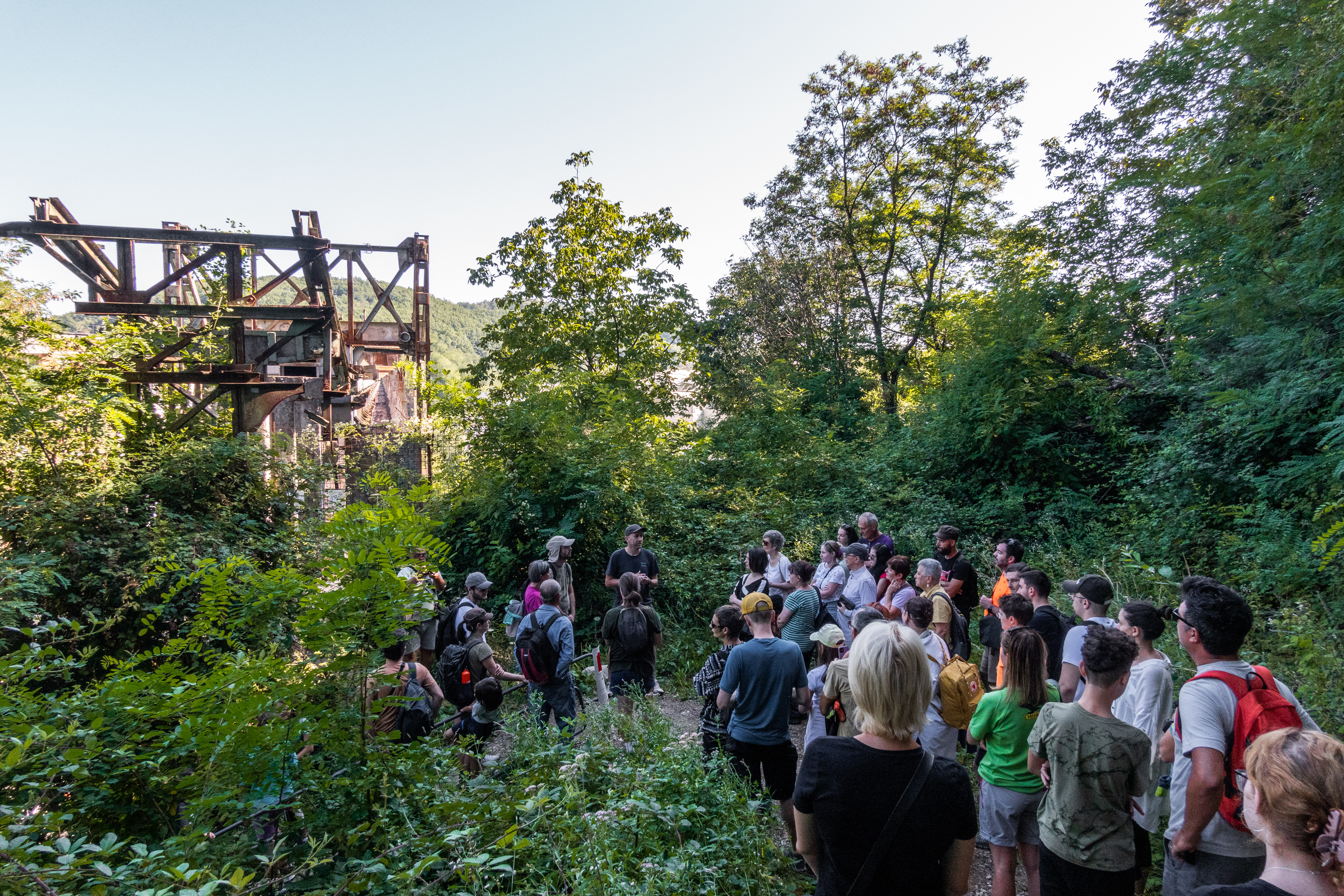
Guided tours of the landscape, along the funicular, were an opportunity to walk through public spaces, to observe and reflect on the funicular's role in the environment and community—led from one end to the other, residents and non-residents alike saw, felt, and realized, perhaps for the first time, the beauty and value of the funicular and the surrounding nature (especially the forest on Crucii Hill, so rarely visited).
At the same time, the ecological cleanup and vegetation clearing along the funicular's route, just before the events, was an intervention in public space that gave us a lot of confidence in ourselves, the community, and our partners: over 20 of us participated, from three organizations: MKBT, Nevo Parudimos, Bike Attack, and WeWilder, Romanian and foreign volunteers, of all ages—from 3-year-old children to elderly citizens. We collected a mountain of trash together, a fantastic effort, and an experience that showed us that by getting involved, we contribute to the vision we are shaping together with the community, that we are, in a way, part of this place. What a joy to enjoy the forest and the landscape without getting stuck, literally and figuratively, in trash!

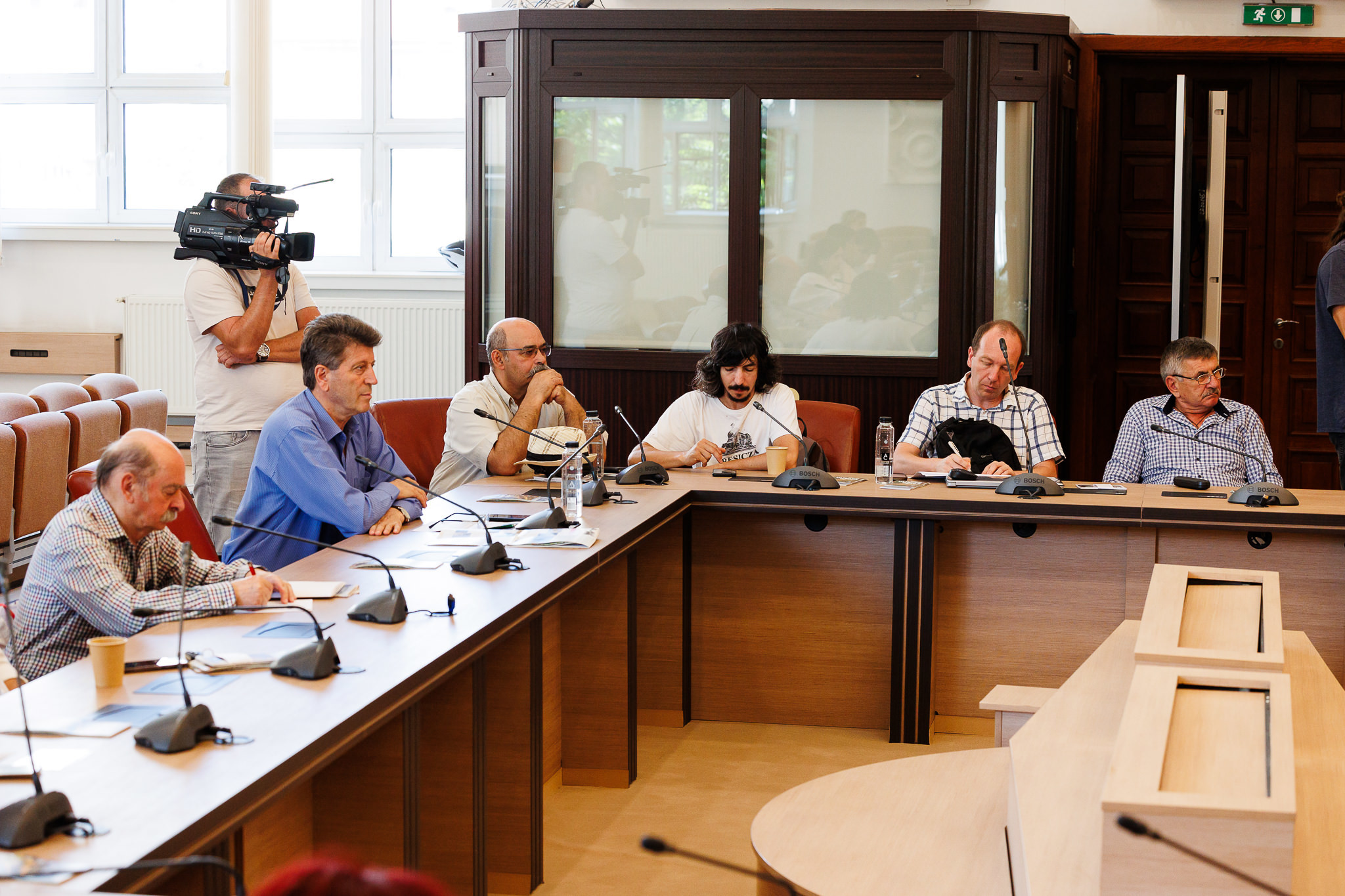
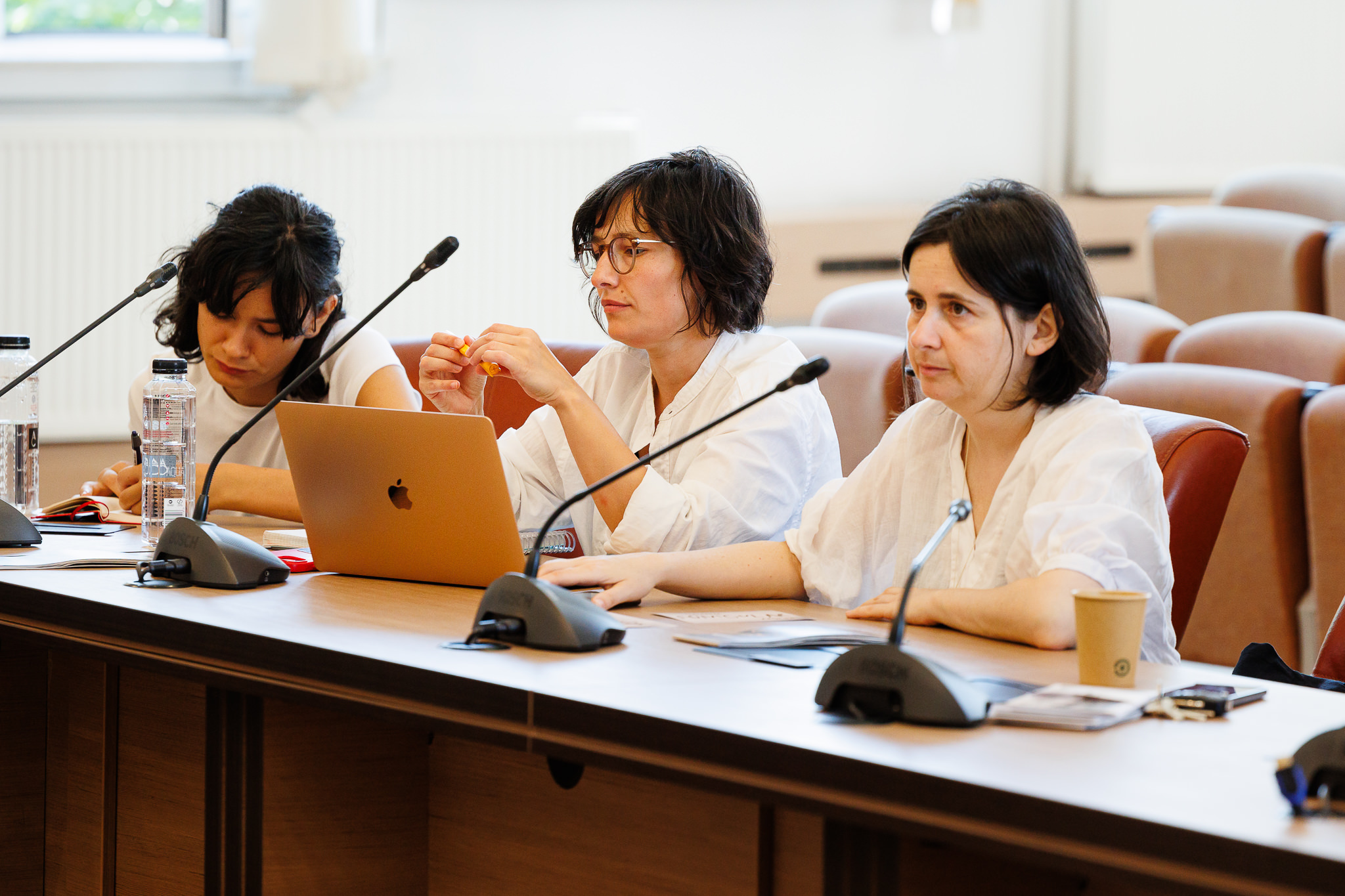
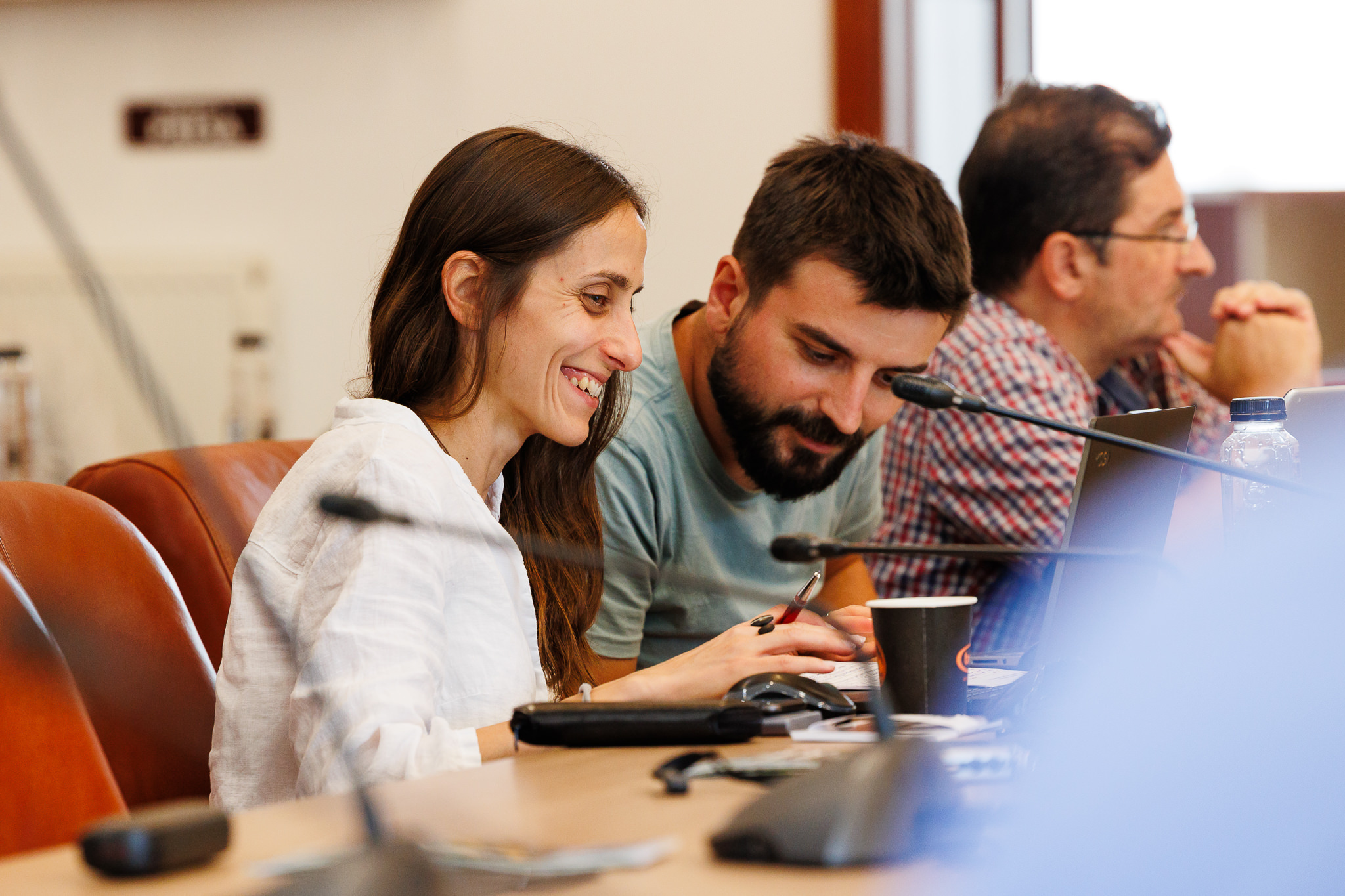
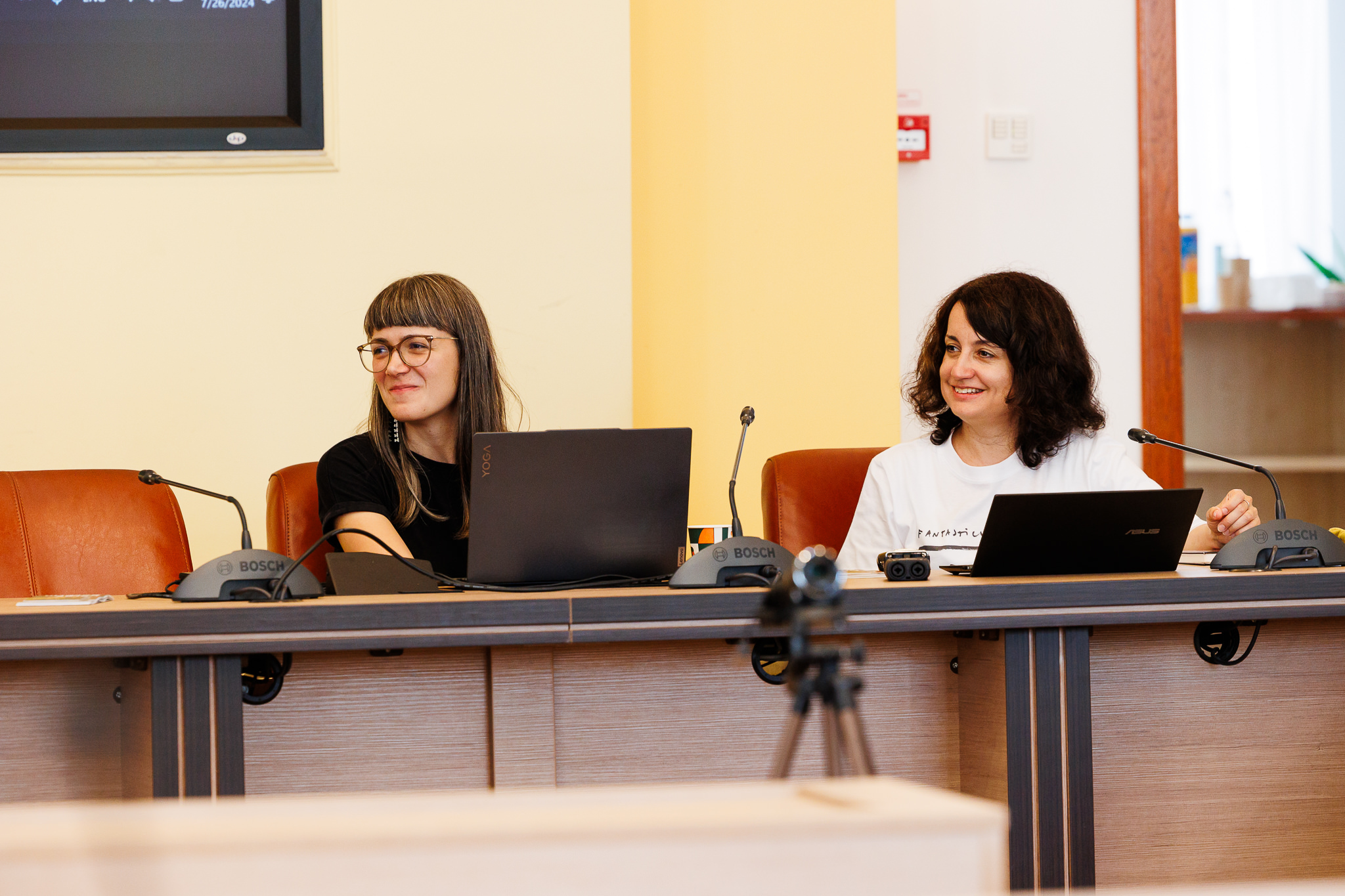
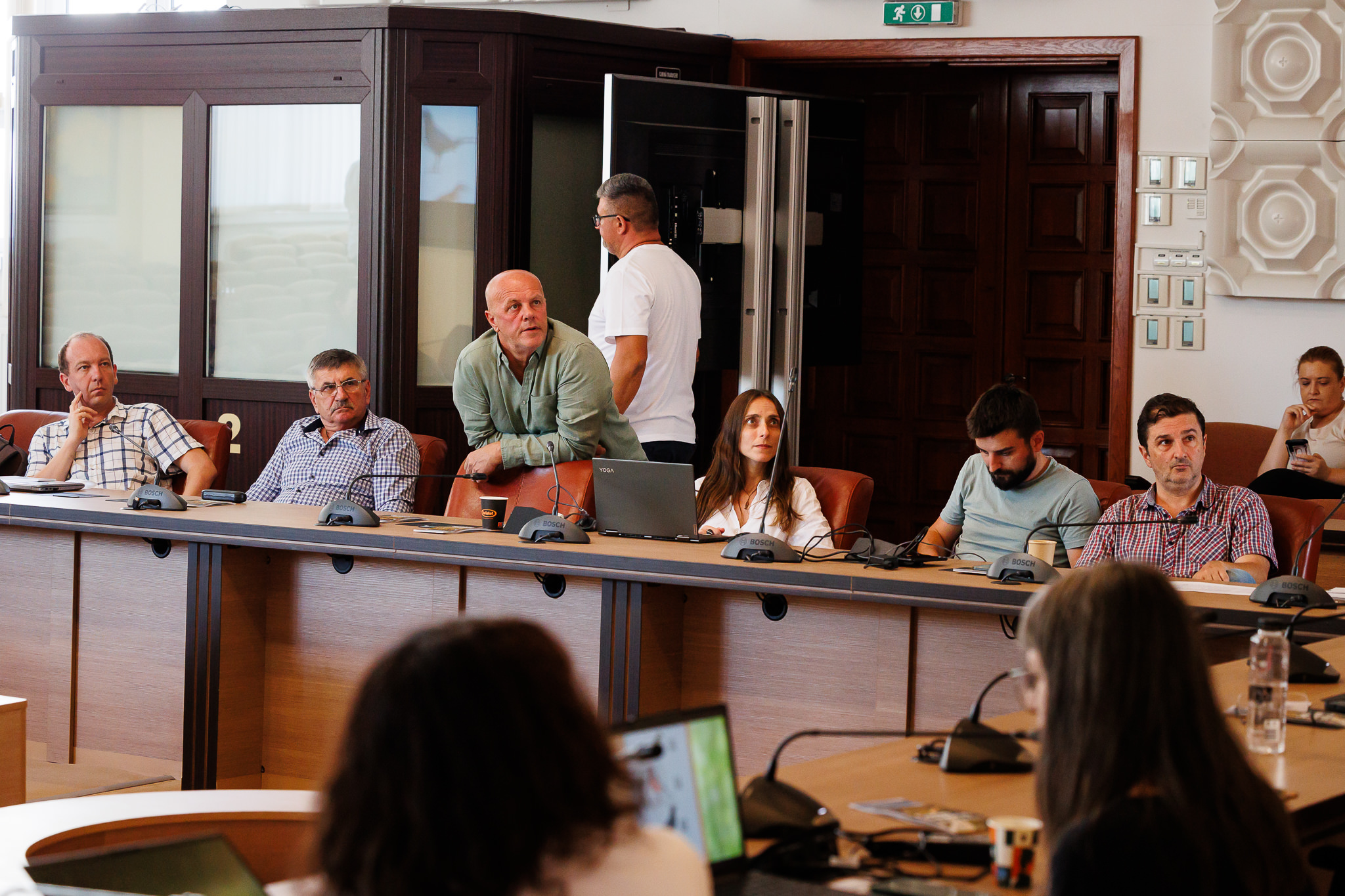
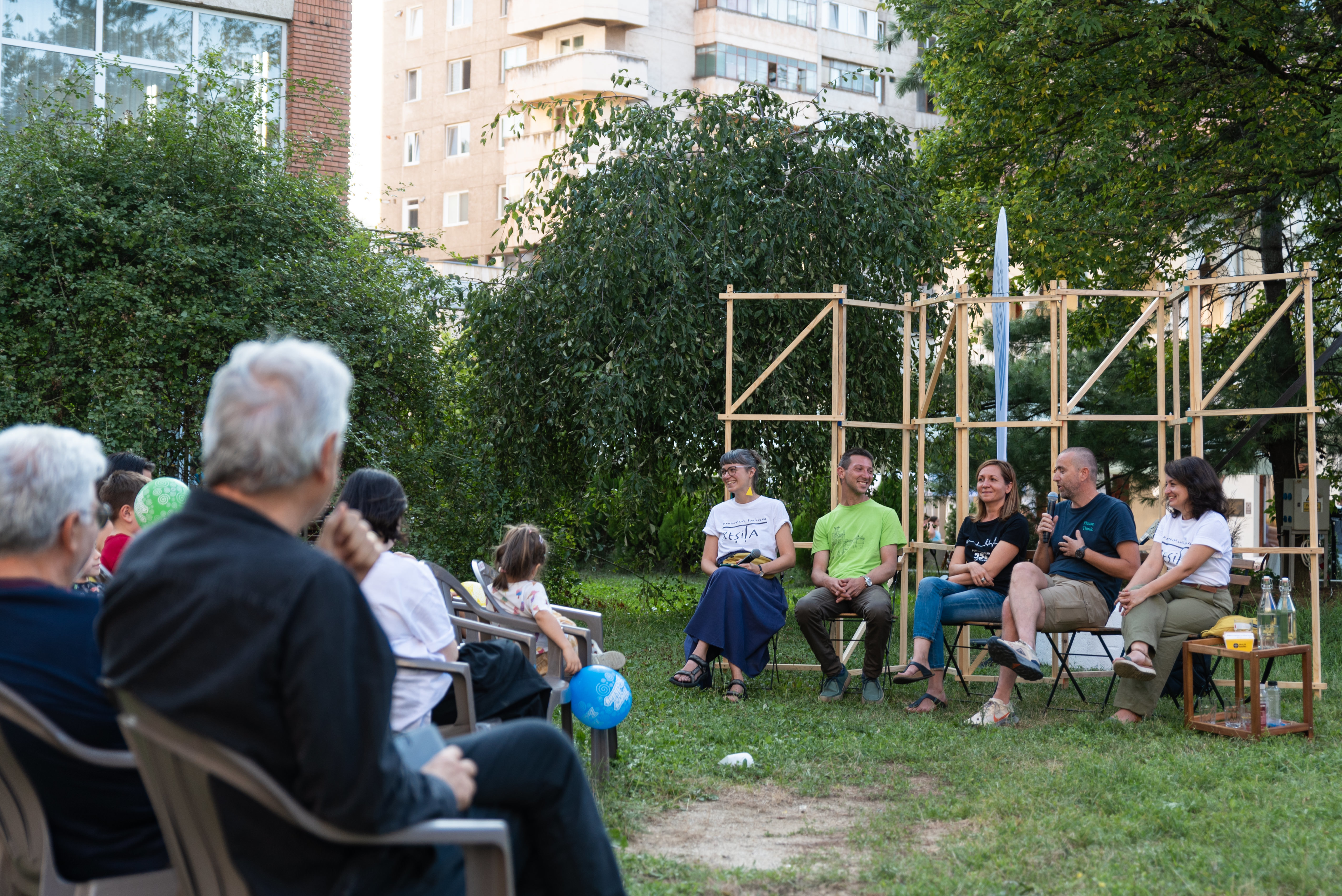
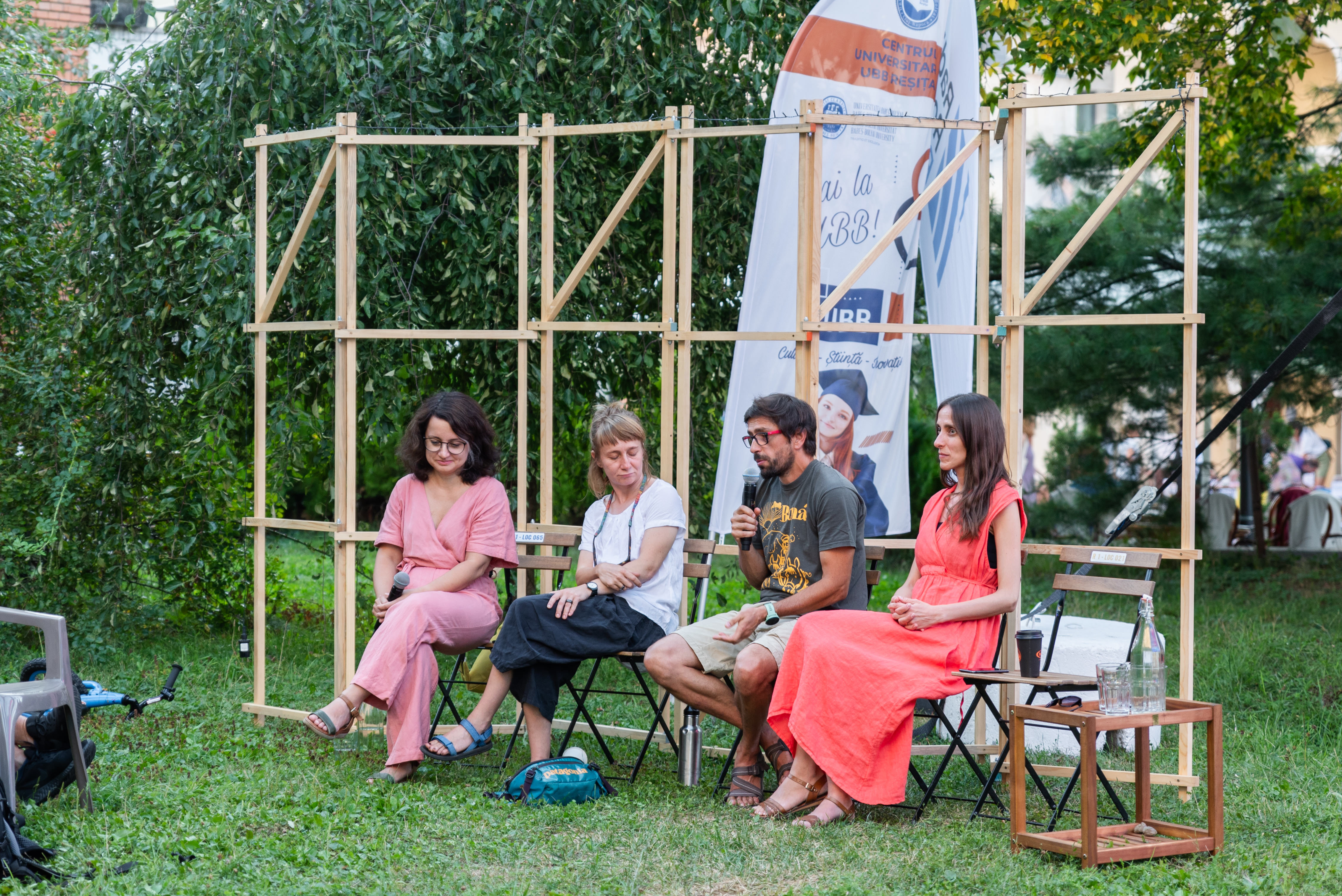
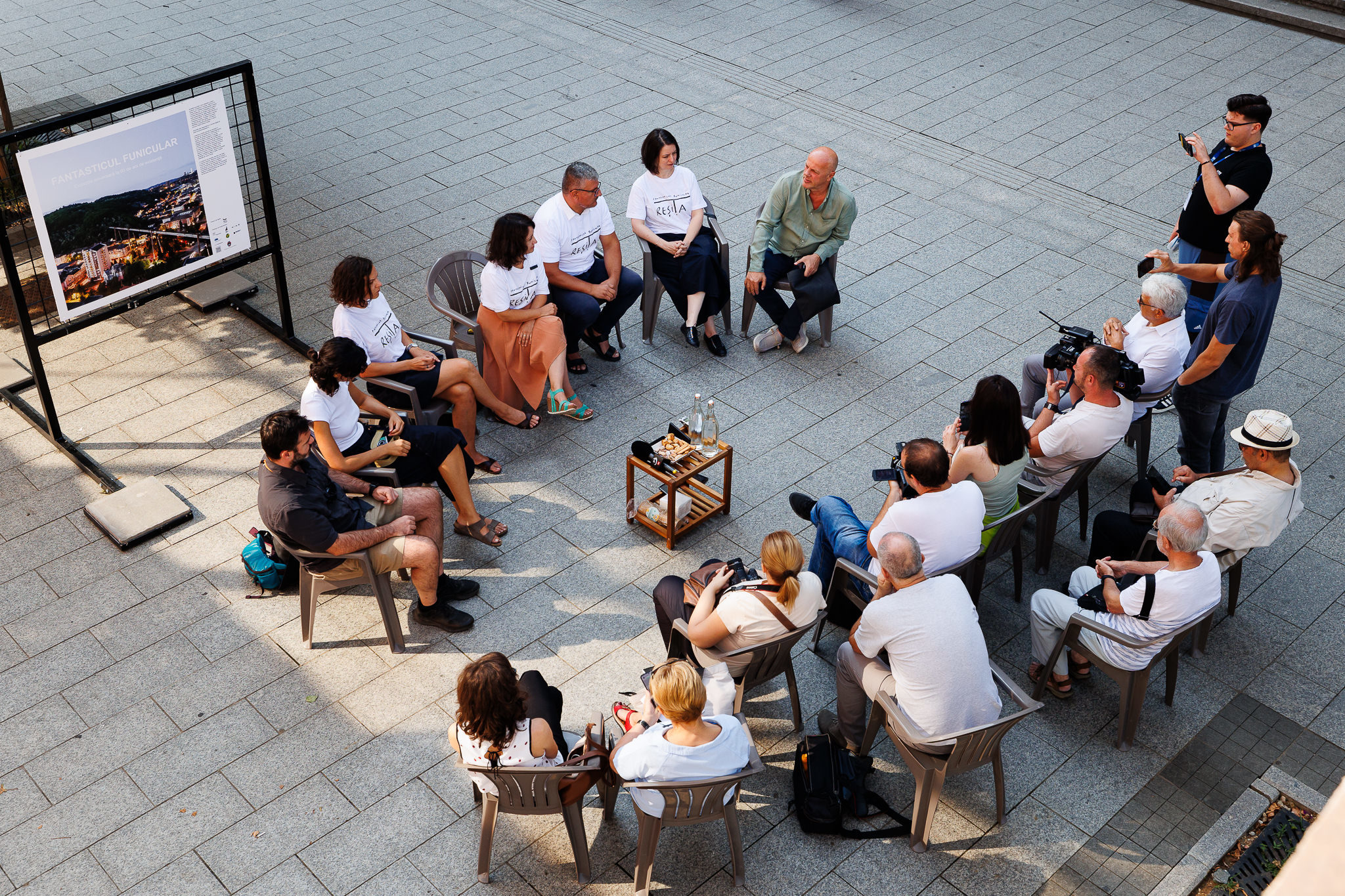
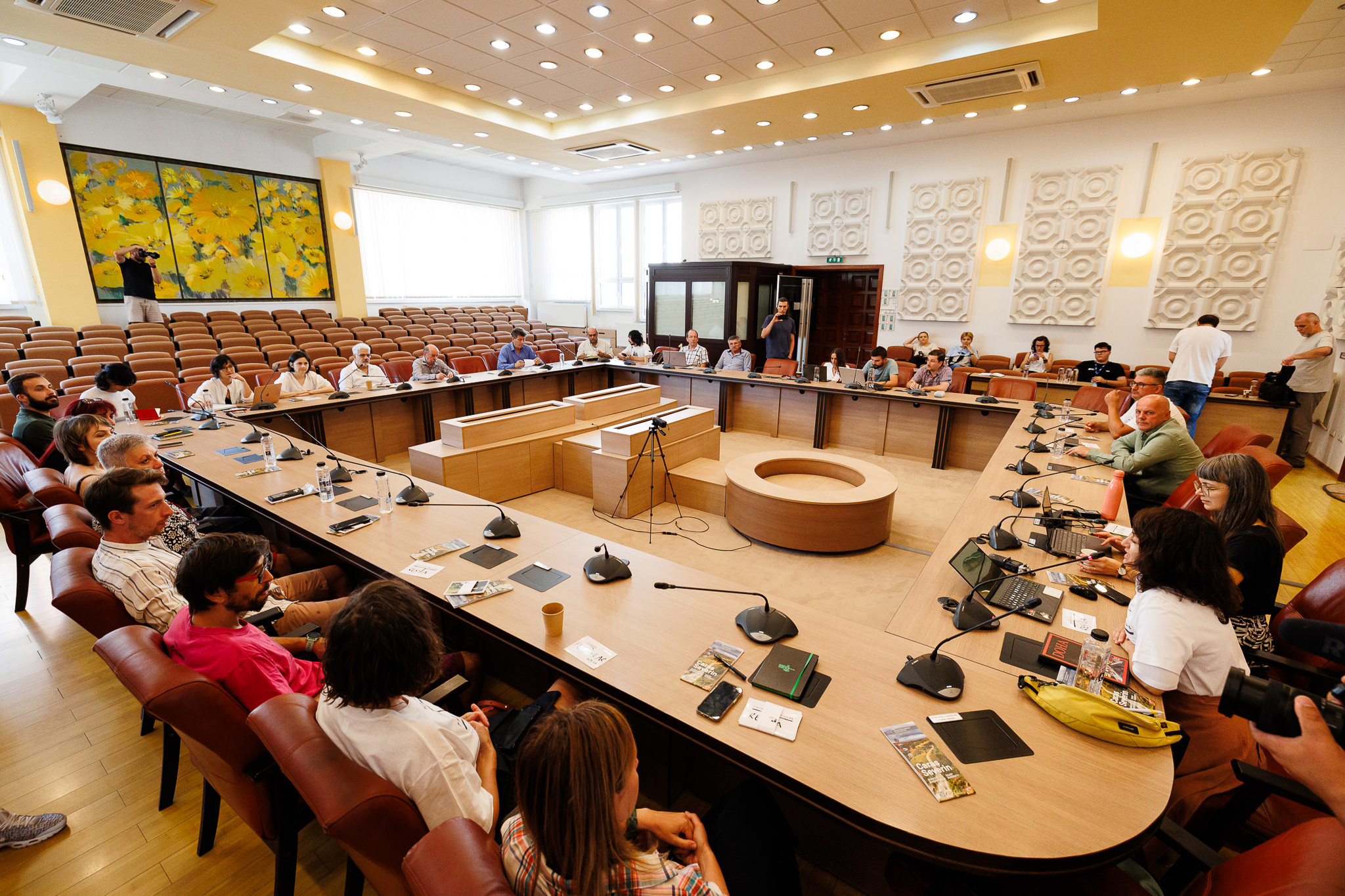
In a community sense, it was an invitation to dialogue about urban transformations, a process in which residents must be decision-makers, and their voices must count. The exercise of participating in such discussions, of speaking up, of asking questions, and of being curious about what is happening in the city is important, even if it may seem awkward at first. The three agoras in the program were a chance not only to create this communication channel but also to put the plans for the Funicular, Reșița, and its surroundings into perspective.
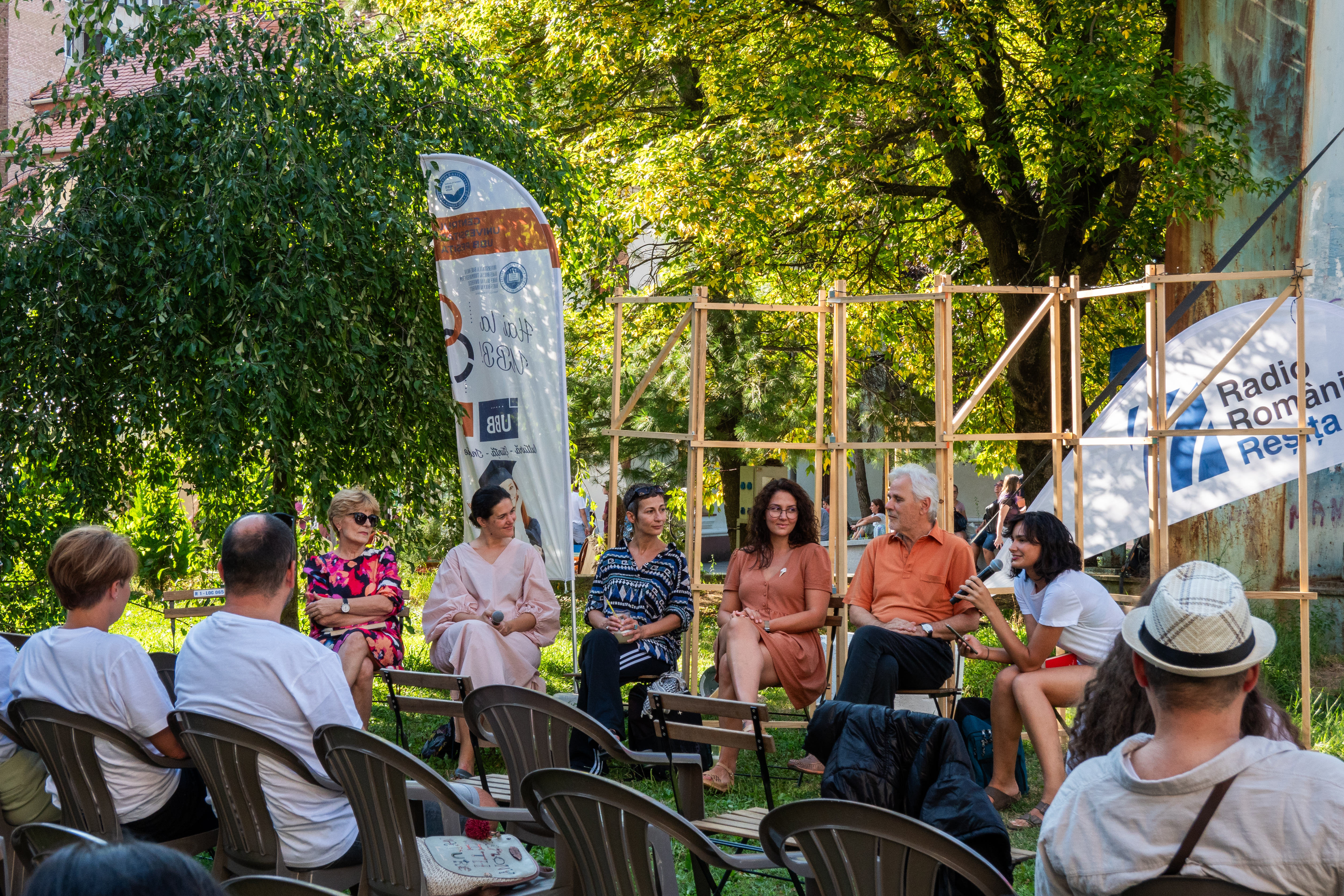
In terms of accessibility and democratization of information and the sometimes hermetic technical discourse of urban planning, we wanted both ourselves and those involved in the city's changes at the political and administrative level to adapt complex work themes into a form that is easy to understand and relevant to residents. The importance and role of urban transformations only make sense to residents if understanding, consensus, and closeness are created from the beginning between those who live in the city and those who plan it.
Last but not least, Reșița is becoming increasingly attractive to people from other places, and Fantasticul Funicular was a unique opportunity to create an encounter between the visions of outsiders and insiders, with the conviction that any interaction between these two categories will be fruitful. We thank all those who responded to our call to seek forms of interaction with the environment for Reșița, of creative and sensitive dialogue with visitors and locals, of spontaneous creative expression or thoroughly prepared artistic manifestation.
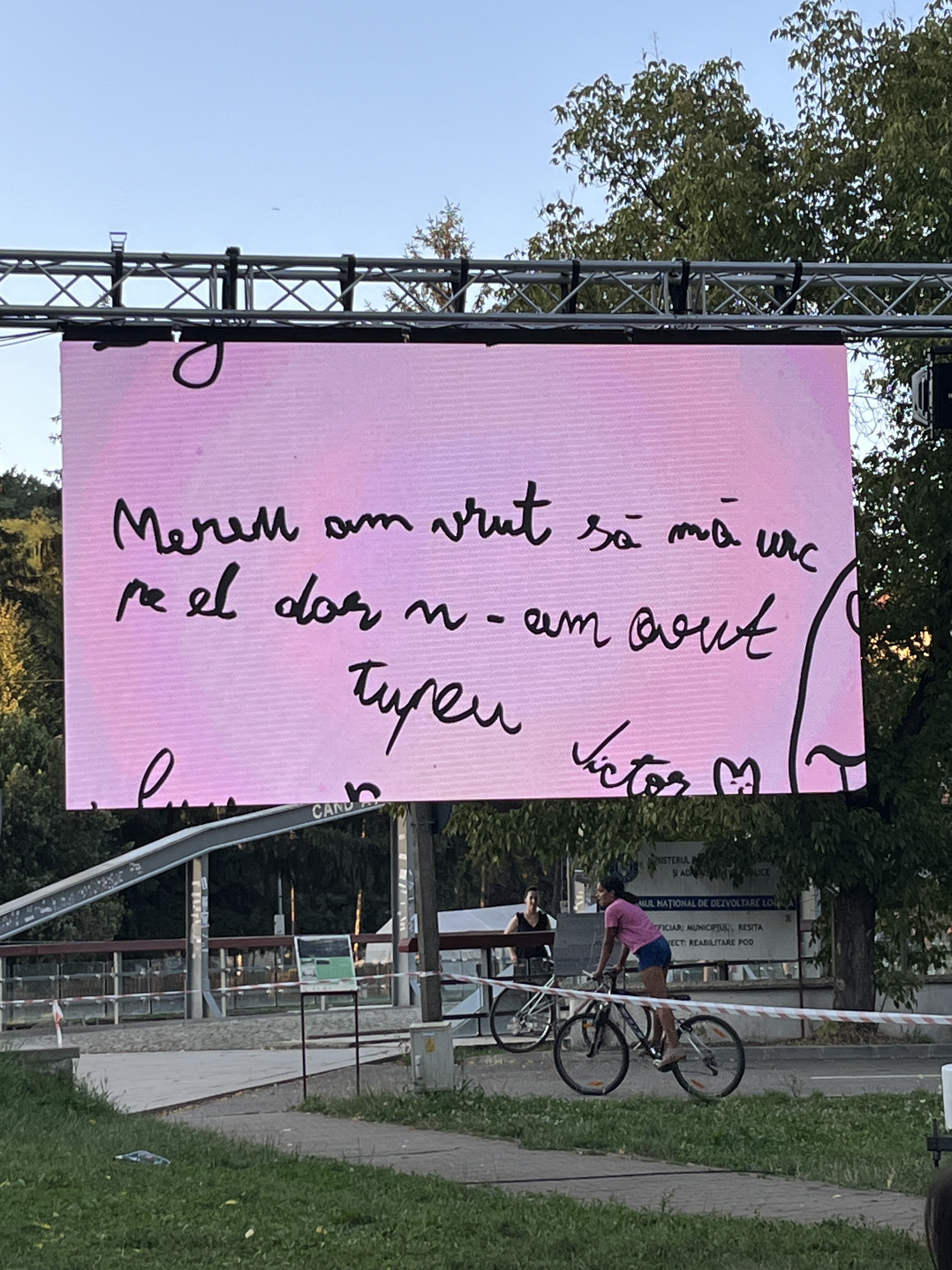
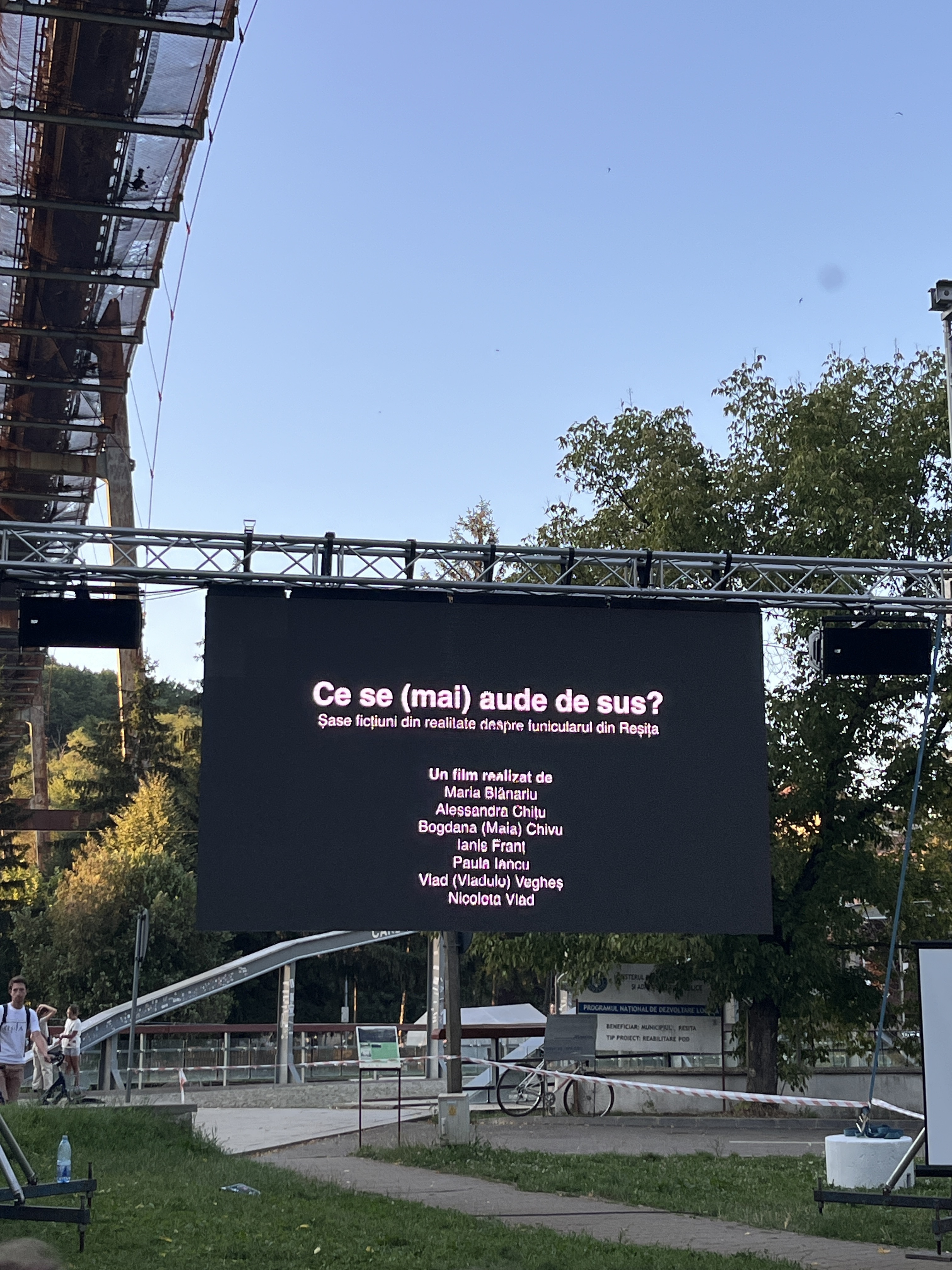
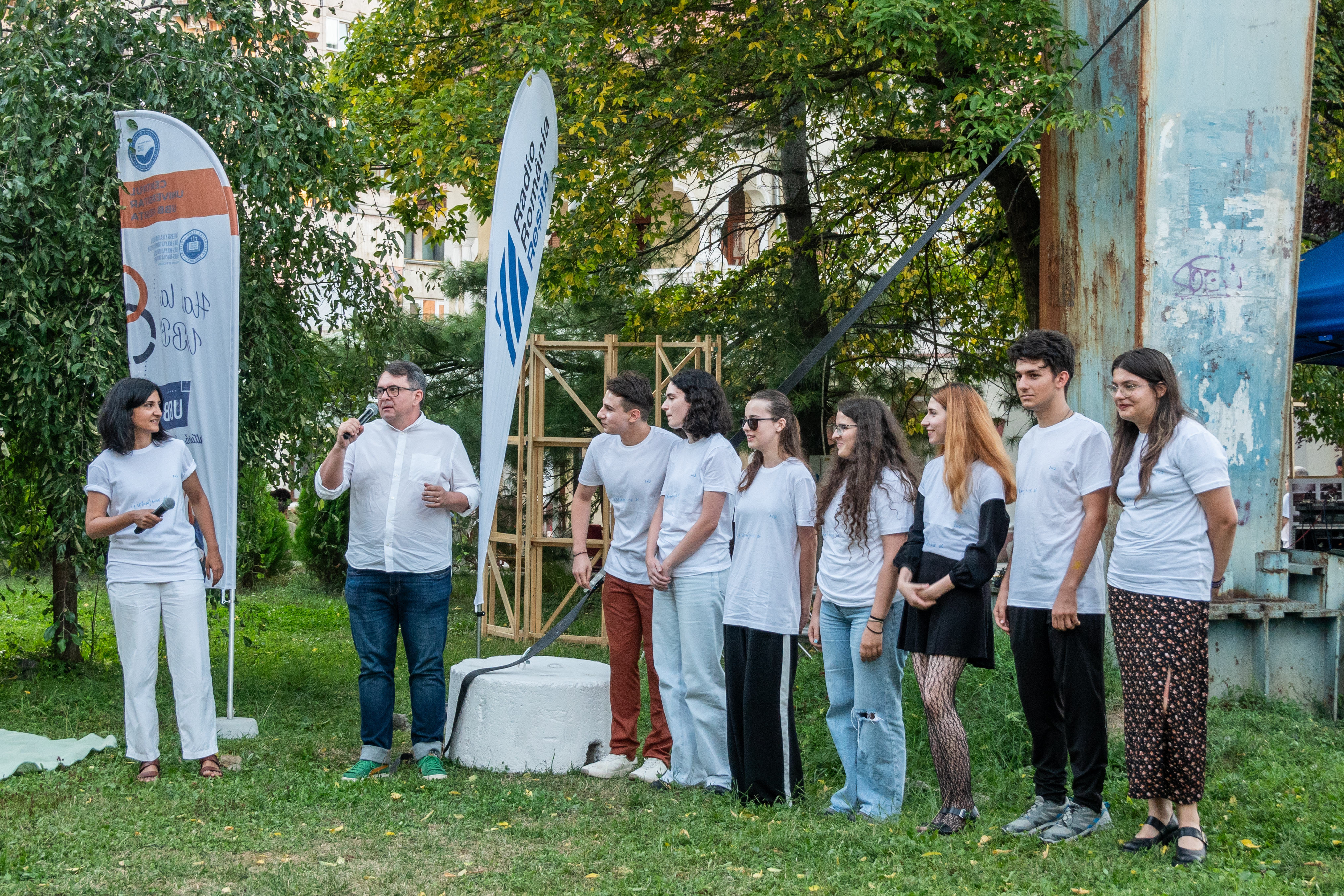
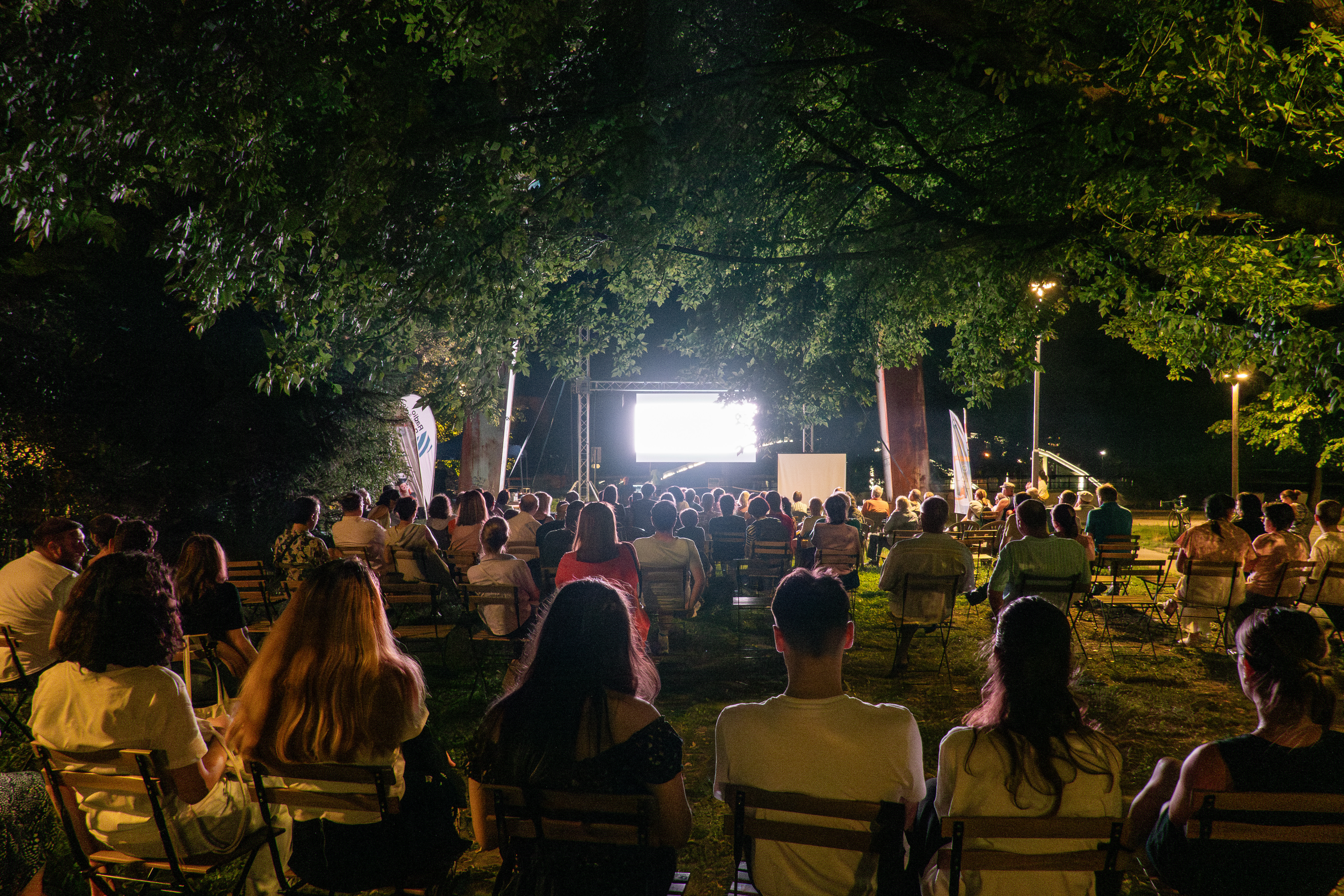
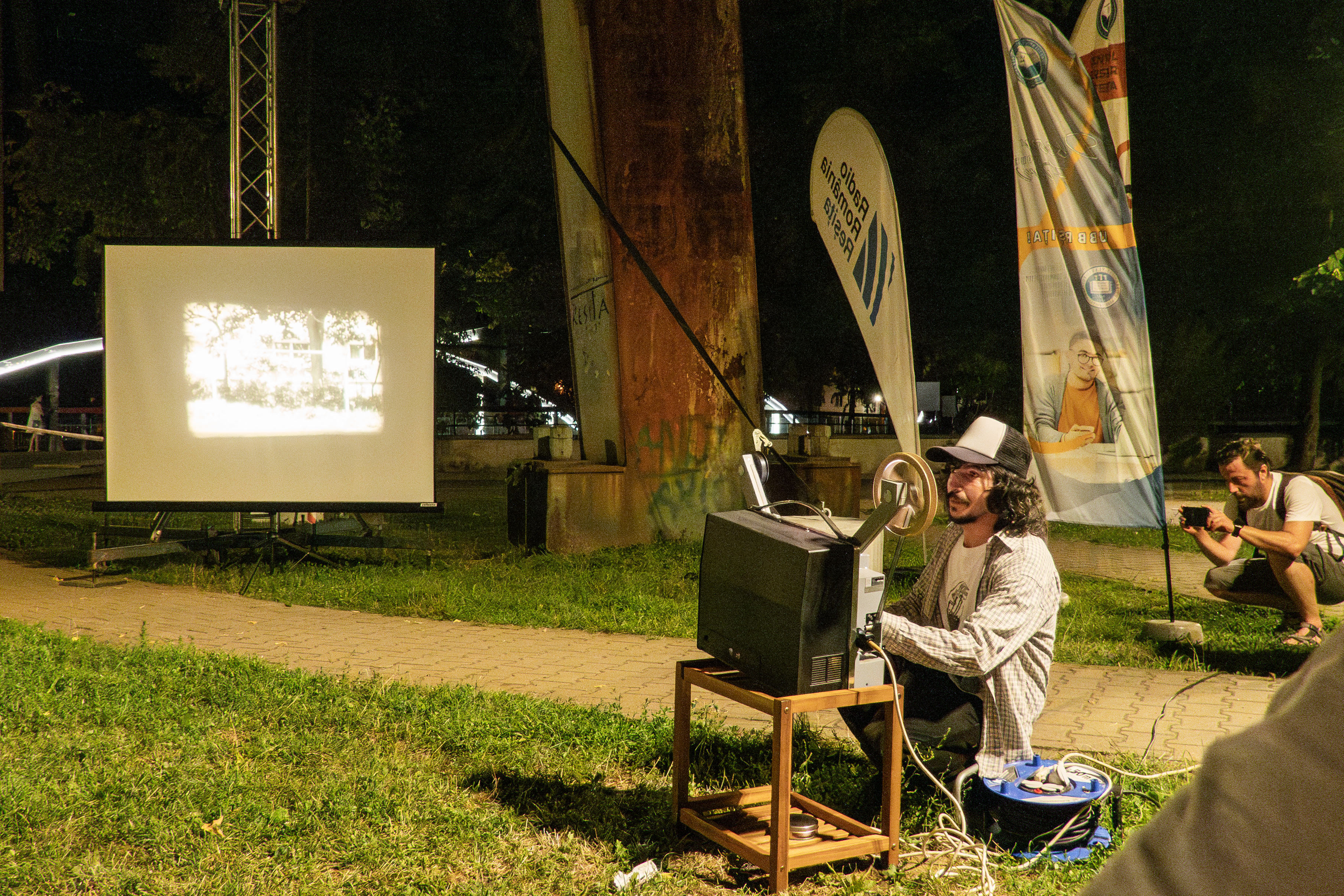
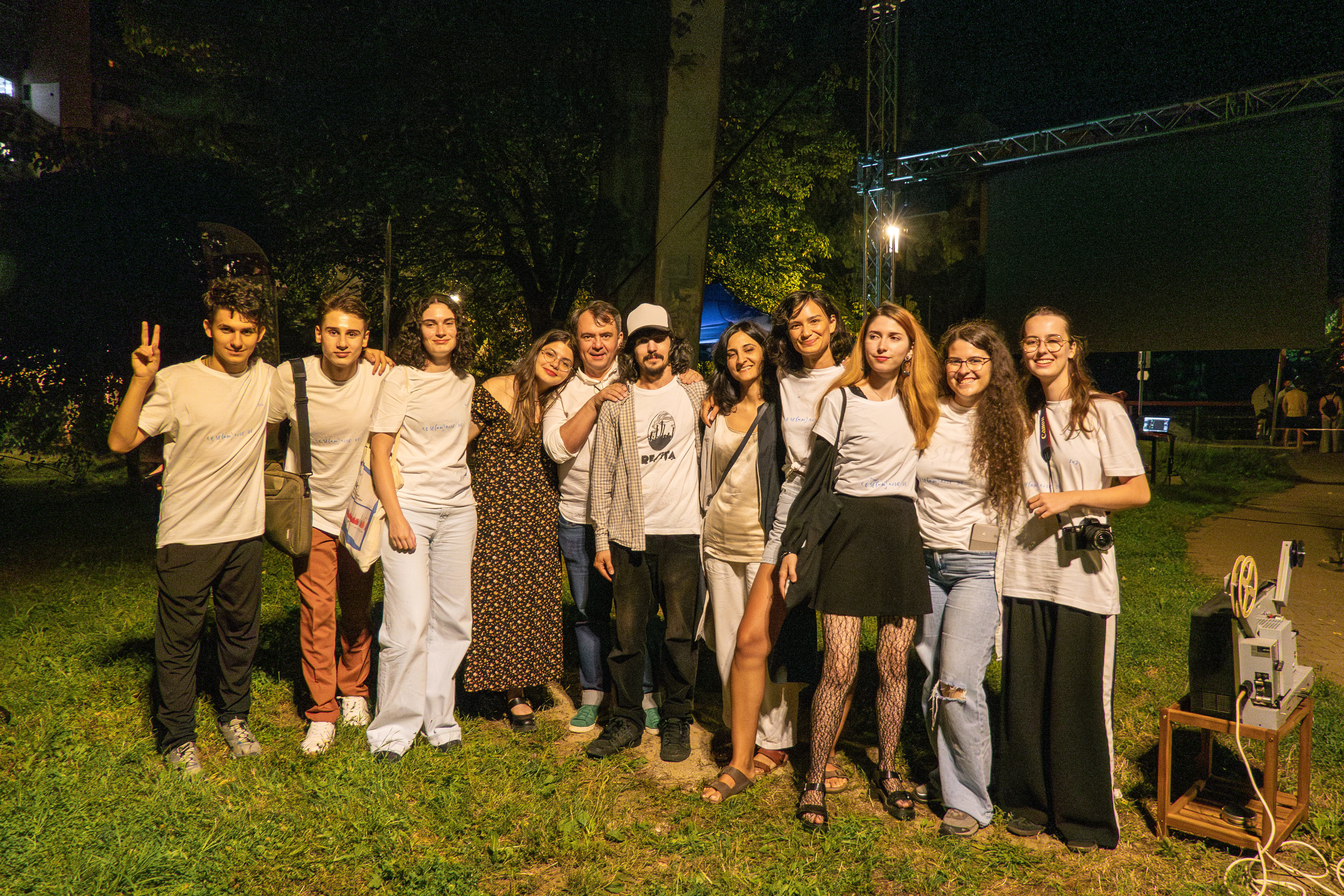
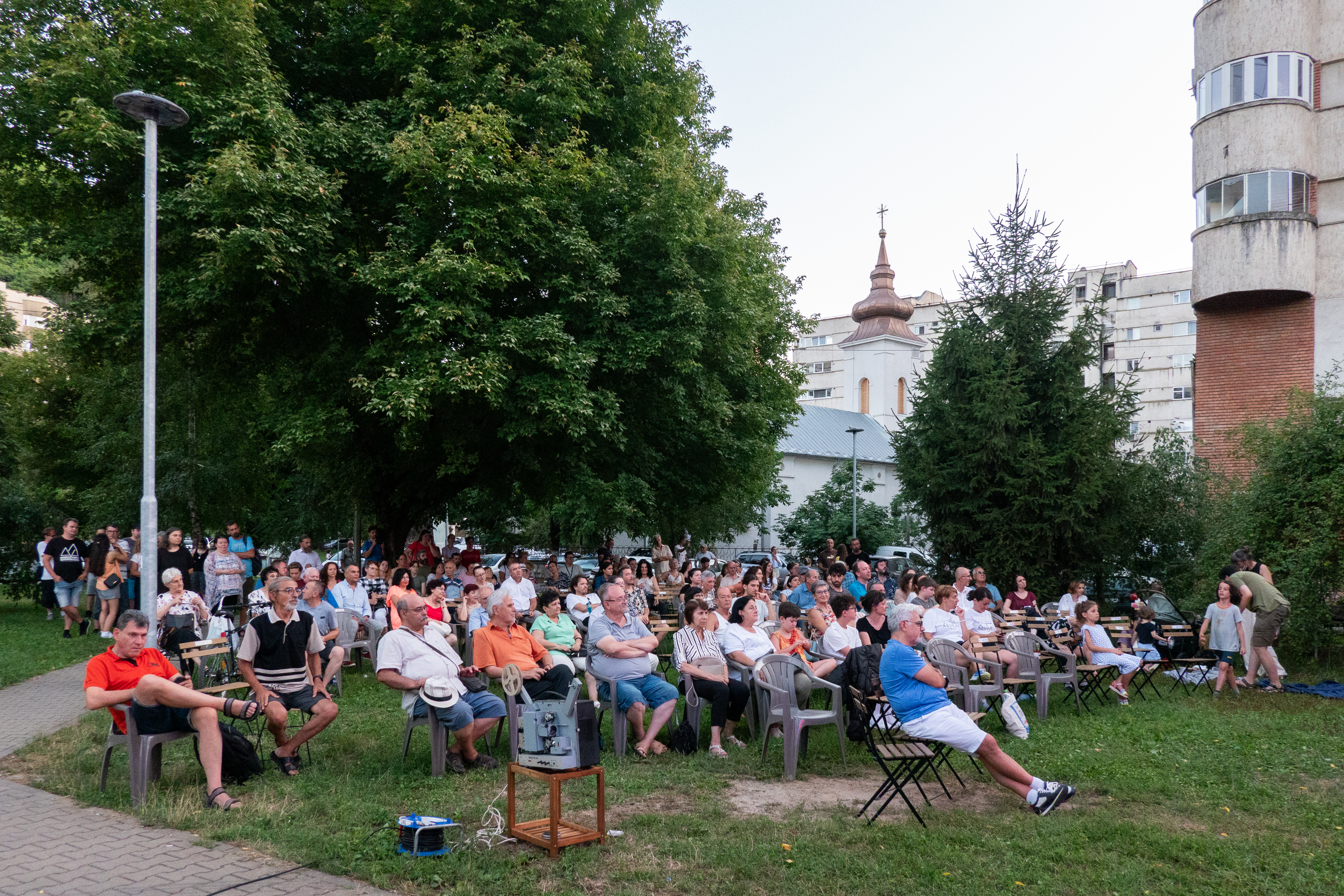
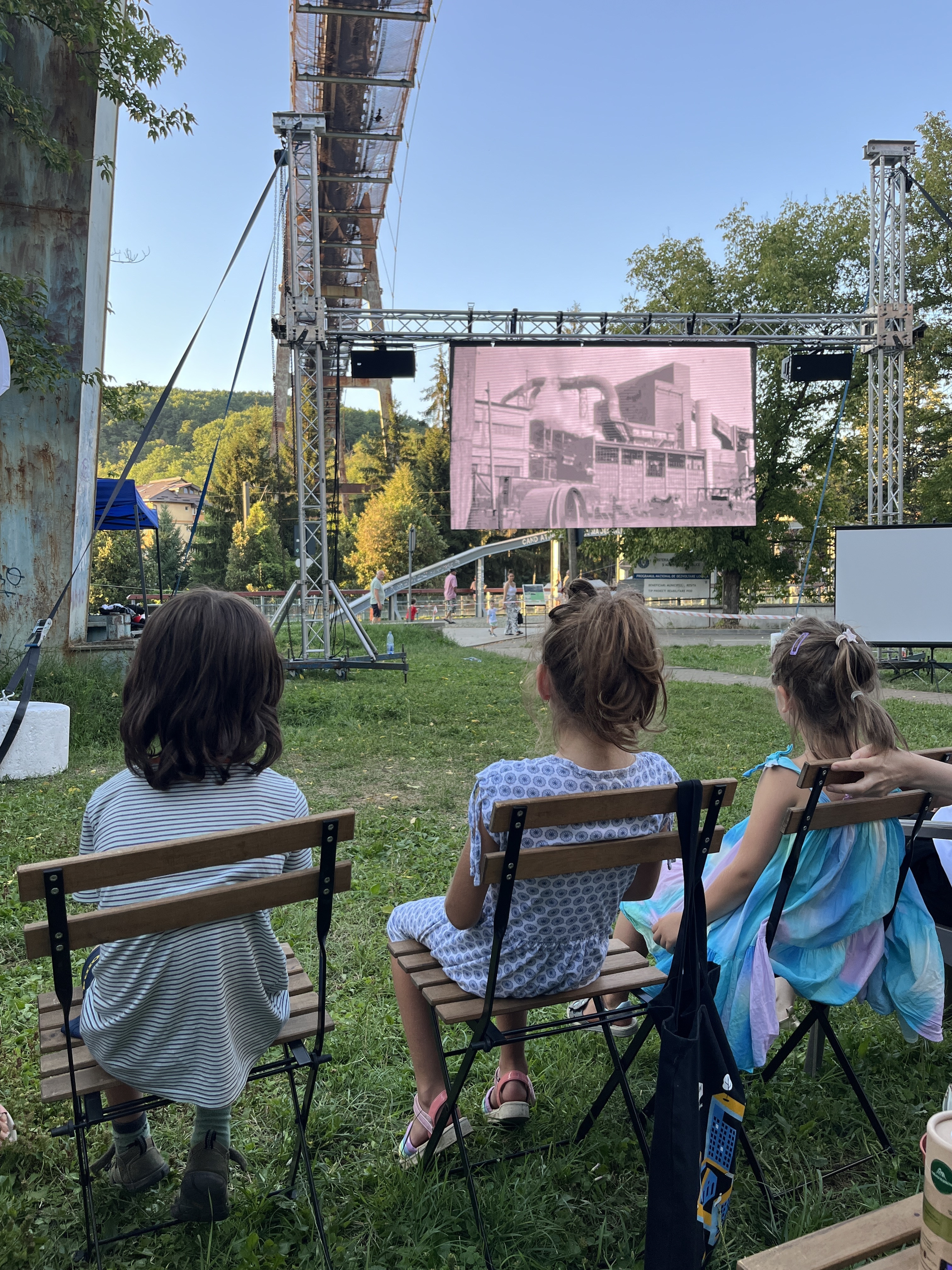
On the last evening, over 200 people gathered under the funicular to witness two distinct realities, equally important for Reșița: one emotional and subjective about the funicular's role in the lives and memory of people and the city, explored by a group of Reșița teenagers, participants of the URME, a heritage and urban exploration workshop through film; and a pragmatic, concrete reality that sees the funicular as a piece in a complex system that functioned perfectly for both industry and society. With the generosity of the Amateur Filmmaker Museum, we watched archival films about the city's industrial life, a history that will remain forever in Reșița's memory and DNA.
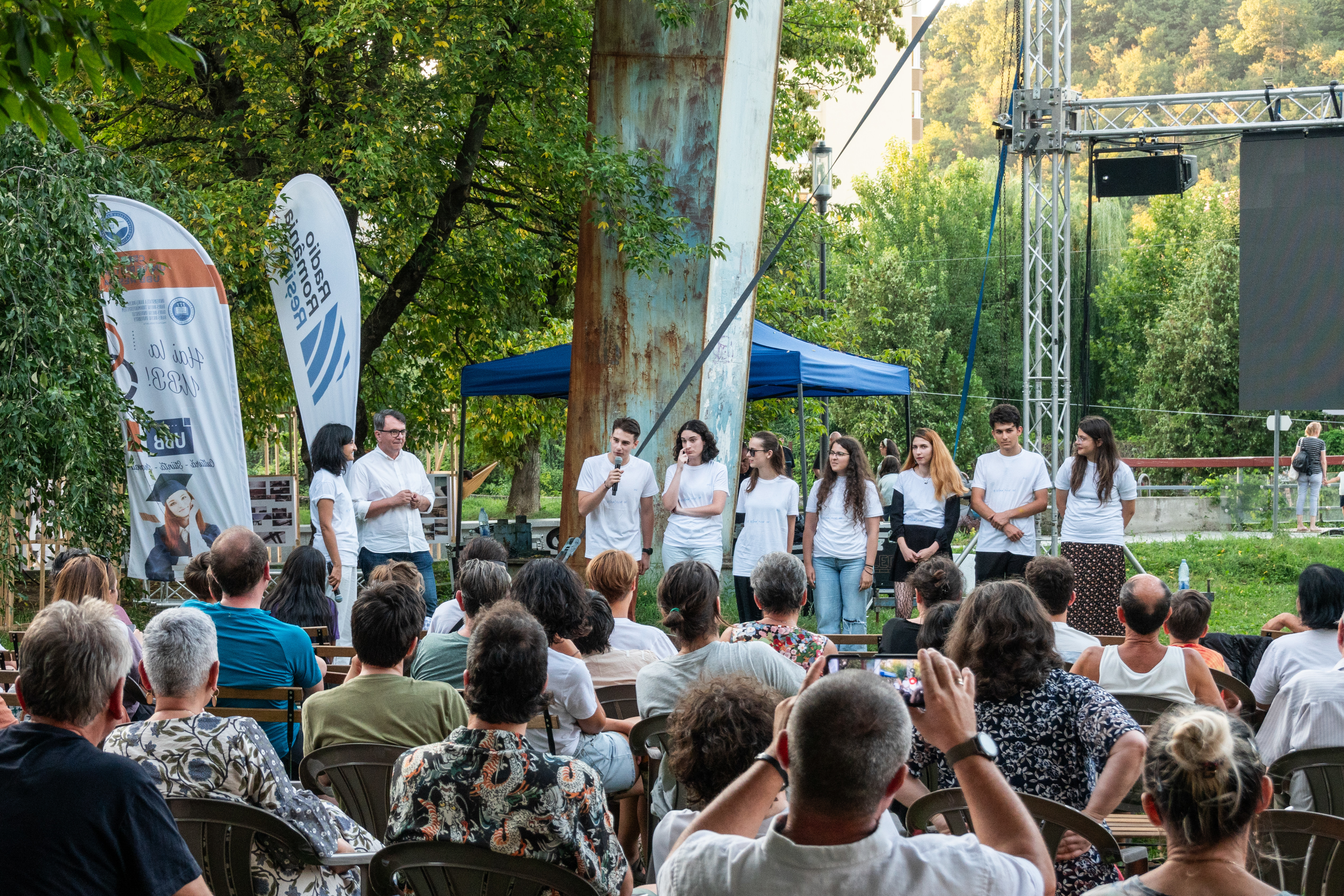
We were sincerely happy to be on the streets for three days with the residents of Reșița (and beyond): to hear many stories from locals, to whisper to each other during documentary film screenings, and even to play football together. Street Delivery and UrbanEye Film Festival were in Reșița to create dialogue and closeness with and among people, using different impulses for this: interventions in public space to give it back (or anew) to the people, film as a pretext for reflection on the times the city is going through.
We will detail other components and initiatives of the project, including:
(1) the conclusions of the round table “Fantasticul Funicularul: A Connection Between the City and Nature,” organized at the opening of the street events;
(2) the co-creation and development of an interpretation plan for the industrial and natural heritage represented and traversed by the funicular route;
(3) the results of a non-formal consultative study, organized by the Non-Formal Spatial Planning Workshop in Timișoara, together with the Faculty of Architecture and Urbanism and the Politehnica University of Timișoara, regarding the population's perception of the funicular's role in the city.
We most value working together at MKBT. We left Reșița with the satisfaction and joy of having worked side-by-side with our local partners: the Banatul Montan Community Foundation, the Amateur Filmmaker Museum, Bike Attack, the Reșița Municipality, and of having received the support and enthusiastic involvement of many other local institutions, organizations, and companies: We Wilder, Teatrul de Vest, Cafeneaua Time, Reșița Local Development Agency, Nevo Parudimos, D Proiect, Artrom Steel, and PORR.
See you next year, in Reșița.
Small spoiler: still around an F.
- The Fantasticul Funicular project is an initiative of MKBT conceived as part of the Reșița 250 Urban Innovation Lab. We act systematically, networked, and long-term, for the preservation, valorization, and promotion of Reșița's industrial heritage.
- More about the technical project for the functional conversion of the funicular from an industrial structure into a new pedestrian and cycling axis that will connect the city center to the surrounding hills, a project coordinated by D-Proiect, here: https://www.dproiect.ro/funicular.html). In 2024, the Reșița City Hall will submit this project for funding with European funds through the New European Bauhaus axis.
- Our partners for FF and for everything we do in Reșița: Amateur Filmmaker Museum, D. Proiect, Banatul Montan Community Foundation, Bike Attack, We Wilder, UrbanEye Film Festival, Art and Industry Salon and, last but not least, the Reșița City Hall.
Photo album link: https://www.facebook.com/share…
Photos: Visit Caraș Severin, Marius Vasile